The blood thinner side effect that can turn fatal if ignored is internal bleeding, particularly gastrointestinal and intracranial hemorrhage. For patients with dementia or cognitive decline, this risk is magnified because they may not recognize the warning signs — dark or bloody stools, unexplained bruising, persistent headaches, or sudden confusion — or may be unable to communicate them to caregivers. A 78-year-old woman with moderate Alzheimer’s disease on warfarin for atrial fibrillation, for example, might dismiss bloody urine as something she forgot to mention, or a caregiver might attribute her increasing confusion to dementia progression rather than a slow brain bleed. Blood thinners, formally known as anticoagulants and antiplatelet agents, are among the most commonly prescribed medications for older adults. They prevent strokes and blood clots, which is critical because atrial fibrillation — the leading reason these drugs are prescribed — affects roughly 10 percent of people over 65.
But the very mechanism that prevents clots also impairs the body’s ability to stop bleeding once it starts. In this article, we will walk through why dementia patients face heightened bleeding risks, how to recognize the warning signs that something has gone wrong, which blood thinners carry the greatest danger, and what caregivers can do to reduce the odds of a fatal outcome. The stakes are not abstract. Research published in the Journal of the American Geriatrics Society found that older adults on anticoagulants who also have cognitive impairment are roughly twice as likely to experience a major bleeding event compared to cognitively intact patients on the same medications. Understanding how to navigate this reality is not optional for anyone caring for a loved one with dementia who takes these drugs.
Table of Contents
- Why Can Blood Thinner Side Effects Become Fatal in Dementia Patients?
- Recognizing the Warning Signs Caregivers Cannot Afford to Miss
- Which Blood Thinners Carry the Highest Bleeding Risk for Older Adults?
- How Caregivers Can Reduce the Risk of a Fatal Bleeding Event
- The Drug Interaction Problem That Makes Everything Worse
- What to Do in the First Minutes of a Suspected Bleed
- Rethinking Blood Thinner Use as Dementia Progresses
- Conclusion
- Frequently Asked Questions
Why Can Blood Thinner Side Effects Become Fatal in Dementia Patients?
The central problem is a collision between pharmacology and cognition. Blood thinners work by interfering with clotting factors (warfarin, apixaban, rivarelbán) or platelet aggregation (aspirin, clopidogrel). When bleeding occurs — whether from a fall, a stomach ulcer, or spontaneously — the body’s repair system is deliberately slowed. In a cognitively healthy person, the first sign of trouble usually prompts a call to the doctor. In a person with dementia, that signal can be missed entirely. Consider the difference between two patients who develop a gastrointestinal bleed on rivaroxaban. The first, a 70-year-old with no cognitive issues, notices black tarry stools, feels lightheaded, and calls her physician within hours. She is treated with IV fluids and her medication is adjusted.
The second, an 80-year-old with moderate dementia living in assisted care, has the same black stools but does not report them. Staff may not notice for a day or more if bowel habits are not closely monitored. By the time her hemoglobin drops enough to cause visible pallor or fainting, she may need a blood transfusion — or worse. Falls compound the equation dramatically. Dementia patients fall at roughly three times the rate of cognitively intact older adults. A fall while on blood thinners can cause a subdural hematoma — bleeding between the brain and skull — that develops slowly over hours or days. The gradual onset of symptoms like worsening confusion, one-sided weakness, or drowsiness is easily mistaken for a bad dementia day rather than a neurosurgical emergency. Studies in the Annals of Emergency Medicine have shown that subdural hematomas in anticoagulated patients carry a mortality rate between 40 and 70 percent when diagnosis is delayed.
Recognizing the Warning Signs Caregivers Cannot Afford to Miss
The challenge for caregivers is distinguishing bleeding complications from the baseline symptoms of dementia itself. Many of the red flags overlap with behaviors and conditions that are already part of daily life. However, there are specific patterns that should trigger immediate medical evaluation, and knowing them can be the difference between a treatable episode and a fatal one. The most urgent warning signs include: blood in urine or stool (or stool that is black and tar-like), vomiting blood or material that looks like coffee grounds, sudden severe headache in a person who does not typically complain of headaches, new or rapidly worsening confusion beyond the person’s baseline, unexplained large bruises especially on the torso or head, bleeding from the gums or nose that does not stop within 10 to 15 minutes, and sudden weakness on one side of the body.
Any fall that involves a head strike — even without visible injury — warrants close monitoring for at least 72 hours in a patient on blood thinners, because intracranial bleeding can be delayed. However, if a dementia patient has reached a stage where they cannot reliably communicate pain or discomfort, caregivers must rely on behavioral cues. Increased agitation, refusal to eat, guarding the abdomen, or sudden lethargy can all indicate internal bleeding. One limitation of relying on behavioral changes alone is that these signs are nonspecific — they can also indicate urinary tract infections, constipation, or pain from arthritis. This is why any unexplained acute change in a blood-thinner patient should be treated as a potential bleed until proven otherwise, rather than attributed to dementia progression by default.
Which Blood Thinners Carry the Highest Bleeding Risk for Older Adults?
Not all blood thinners are created equal when it comes to bleeding risk, and the differences matter significantly for dementia patients. Warfarin, the oldest widely used oral anticoagulant, remains one of the most dangerous in this population — not because it is inherently more toxic, but because it requires regular blood monitoring (INR testing) and its effectiveness fluctuates with diet, other medications, and liver function. A patient with dementia who forgets meals, takes medications inconsistently, or cannot reliably attend lab appointments is at high risk of having their INR drift into dangerous territory. The direct oral anticoagulants (DOACs) — apixaban (Eliquis), rivaroxaban (Xarelto), dabigatran (Pradaxa), and edoxaban (Savaysa) — were developed partly to address these monitoring challenges. They do not require regular blood tests and have fewer food interactions. Clinical trials such as ARISTOTLE and RE-LY showed that apixaban and dabigatran caused fewer intracranial hemorrhages than warfarin.
For this reason, the American Heart Association and American College of Cardiology guidelines generally favor DOACs over warfarin for most patients with atrial fibrillation, including older adults. But DOACs are not without their own problems. Rivaroxaban, for instance, has been associated with higher rates of gastrointestinal bleeding than warfarin in some studies, particularly in patients over 75. Dabigatran also carries significant GI bleeding risk and must be swallowed whole — the capsules cannot be crushed — which creates practical problems for dementia patients with swallowing difficulties. Apixaban has generally shown the most favorable bleeding profile among the DOACs in head-to-head analyses, but it is also the most expensive, and cost can be a barrier for families already stretched thin by dementia care expenses.

How Caregivers Can Reduce the Risk of a Fatal Bleeding Event
Reducing bleeding risk in a dementia patient on blood thinners requires a strategy that balances medication necessity against practical safety measures. The first and most important step is a frank conversation with the prescribing physician about whether the blood thinner is still necessary and, if so, whether the current drug and dose are optimal. In some cases, the risk-benefit calculation shifts as dementia progresses — a patient with advanced dementia and frequent falls may face greater danger from the blood thinner than from the clot it is meant to prevent. Fall prevention is arguably as important as medication management. This means removing loose rugs, installing grab bars in bathrooms, ensuring adequate lighting at night, and considering hip protectors or helmets for patients with a history of repeated falls.
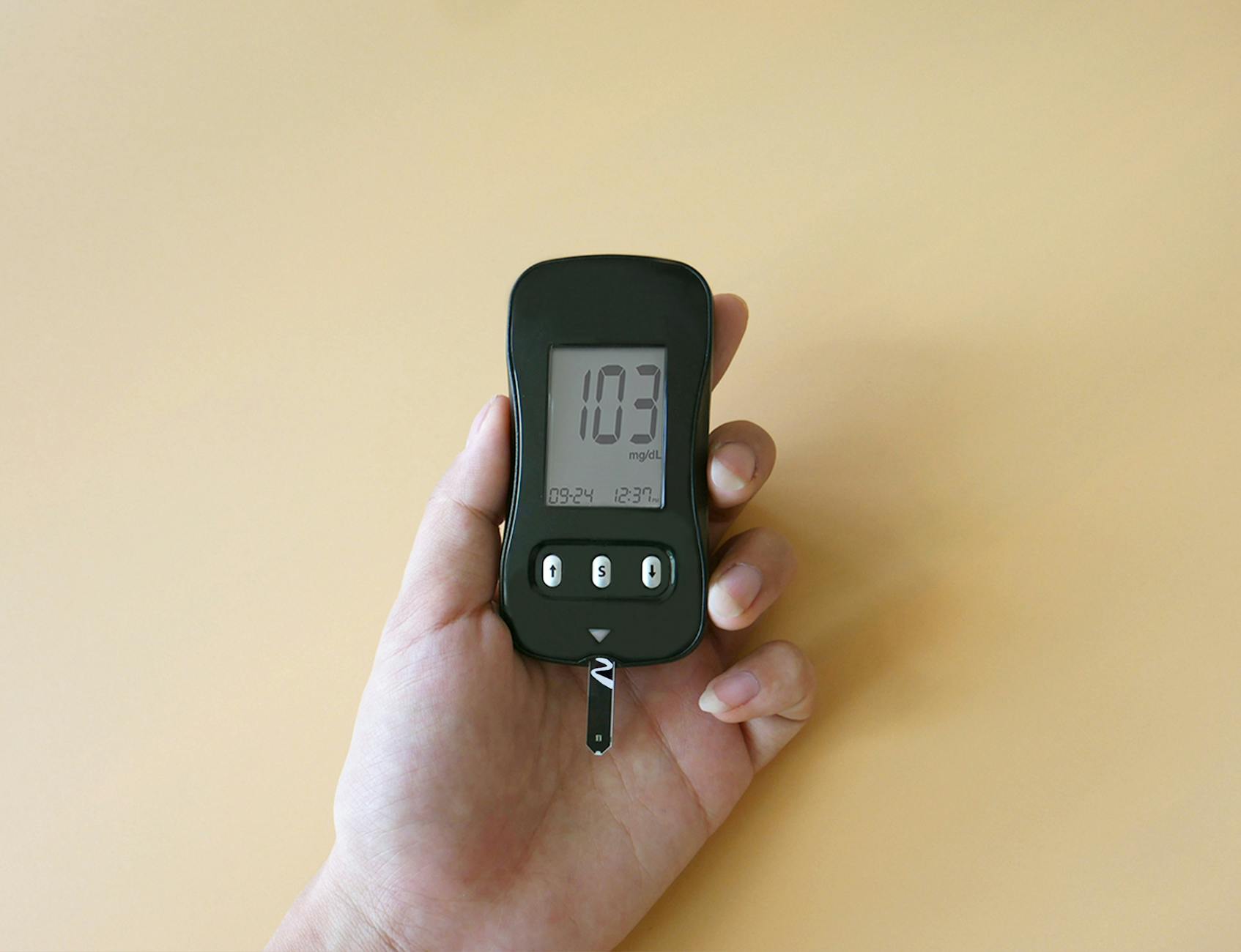
The tradeoff here is between safety and autonomy: overly restrictive measures can increase agitation and reduce quality of life, while too little intervention leaves the patient exposed to falls that could cause fatal bleeds. Each family must find their own balance point, ideally with guidance from occupational therapy. Medication management systems — pill organizers, automated dispensers, and caregiver-administered dosing — are essential. Missed doses of blood thinners can cause rebound clotting, while double doses increase bleeding risk. For patients on warfarin, home INR monitoring devices (such as CoaguChek) allow testing without clinic visits, though they require a cognitively capable caregiver to operate. Keeping a written log of all medications, including over-the-counter drugs like aspirin and NSAIDs that amplify bleeding risk, and sharing it with every healthcare provider the patient sees, can prevent dangerous drug interactions that are alarmingly common in this population.
The Drug Interaction Problem That Makes Everything Worse
One of the most underappreciated dangers for dementia patients on blood thinners is the sheer number of other medications they typically take. Polypharmacy — the use of five or more medications simultaneously — affects the majority of older adults with dementia. Many of these drugs interact with blood thinners in ways that increase bleeding risk, and the interactions are not always obvious. Common culprits include SSRIs and SNRIs (antidepressants frequently prescribed for behavioral symptoms of dementia), which impair platelet function and roughly double the risk of GI bleeding when combined with anticoagulants. Acetaminophen in high or sustained doses can potentiate warfarin.
Supplements like fish oil, vitamin E, ginkgo biloba, and turmeric all have antiplatelet properties and are often taken without physician knowledge. Even some antibiotics and antifungals can dramatically spike INR levels in warfarin patients within days. The limitation here is systemic: most prescribers manage only their own piece of the medication puzzle. The neurologist prescribes a cholinesterase inhibitor, the cardiologist manages the anticoagulant, the psychiatrist adds an antidepressant, and the primary care physician may not have a complete picture. Caregivers need to act as the central coordinator, bringing a complete and current medication list — including all supplements and over-the-counter products — to every appointment. Pharmacist medication reviews, which are often available at no cost through Medicare Part D plans, are one of the most effective and underused tools for catching dangerous combinations before they cause harm.

What to Do in the First Minutes of a Suspected Bleed
When a caregiver suspects internal bleeding, the response in the first 30 to 60 minutes can determine survival. For visible external bleeding, apply firm direct pressure and call 911 if it does not slow within 10 minutes. For suspected internal bleeding — sudden confusion, vomiting blood, black stools, severe headache, or collapse — call 911 immediately and inform the dispatcher that the patient is on a blood thinner, specifying which one.
This detail matters because emergency departments can administer reversal agents for some blood thinners: vitamin K and prothrombin complex concentrate (PCC) for warfarin, idarucizumab (Praxbind) for dabigatran, and andexanet alfa (Andexxa) for apixaban and rivaroxaban. Not all hospitals stock all reversal agents, and knowing the specific drug in advance allows the ER to prepare. Keeping a card in the patient’s wallet or on a medical alert bracelet that lists the blood thinner name and dose is a simple measure that has saved lives when the patient arrives at the hospital unable to communicate.
Rethinking Blood Thinner Use as Dementia Progresses
The conversation about whether to continue blood thinners should not happen once and then be forgotten. As dementia advances through its stages, the risk-benefit equation shifts. A patient in early-stage dementia with stable mobility and reliable caregiver support is a very different clinical scenario from a patient in late-stage dementia who is bedbound, unable to swallow pills, and receiving comfort-focused care.
Emerging research is pushing toward more individualized risk assessment tools that account for cognitive status, fall history, and functional decline alongside traditional stroke and bleeding risk scores like CHA2DS2-VASc and HAS-BLED. Some geriatric specialists are already advocating for structured deprescribing protocols — planned, supervised withdrawal of blood thinners when the risk of bleeding clearly outweighs the risk of stroke. This is not about giving up on treatment; it is about recognizing that the goal of care evolves, and that keeping a medication going simply because it was once appropriate can itself become a source of harm.
Conclusion
Internal bleeding from blood thinners is the side effect that most demands vigilance from dementia caregivers, because the very nature of cognitive decline can mask its warning signs until the situation becomes dire. The key takeaways are direct: know which blood thinner your loved one takes and carry that information at all times, watch for any acute change in behavior or physical condition as a potential bleed rather than dismissing it as dementia, minimize fall risk through environmental modifications, and coordinate aggressively across all prescribers to catch dangerous drug interactions.
No caregiver should navigate this alone. Request a comprehensive medication review at least annually — more often if new drugs are added — and revisit the decision to continue blood thinners at every stage transition in the dementia journey. The goal is not to avoid blood thinners entirely, as they prevent strokes that can be equally devastating, but to use them with the level of monitoring and precaution that the reality of cognitive impairment demands.
Frequently Asked Questions
Can blood thinners cause or worsen dementia?
Blood thinners themselves do not cause dementia. However, research is mixed on whether long-term anticoagulant use affects cognitive decline. Some studies suggest that by preventing small strokes and microemboli, blood thinners may actually slow vascular contributions to dementia. Conversely, microbleeds in the brain — which anticoagulants can worsen — have been linked to faster cognitive decline in some patients. The net effect likely depends on the individual patient.
Should blood thinners be stopped after a dementia patient falls?
Not automatically. A single fall does not necessarily mean the medication should be discontinued, because stopping it abruptly can trigger a stroke. However, recurrent falls — generally defined as two or more in the past year — should prompt a serious conversation with the prescribing physician about whether the bleeding risk now exceeds the stroke prevention benefit. Any fall involving a head strike warrants immediate medical evaluation and possibly a CT scan.
Is aspirin safer than prescription blood thinners for dementia patients?
Aspirin is not necessarily safer. While it is a weaker antiplatelet agent than prescription anticoagulants, it still significantly increases bleeding risk, especially gastrointestinal bleeding in older adults. The ASPREE trial demonstrated that daily low-dose aspirin in healthy adults over 70 increased major bleeding without reducing cardiovascular events. For patients who need anticoagulation for atrial fibrillation, aspirin alone is not effective enough to prevent stroke and is no longer recommended as a substitute.
How often should a dementia patient on warfarin have their INR checked?
At minimum, INR should be checked every four weeks for stable patients, but more frequently — weekly or biweekly — during illness, after medication changes, or if dietary habits are erratic. Dementia patients often have less stable INR levels due to inconsistent eating and medication adherence, so many clinicians recommend more frequent monitoring than standard guidelines suggest. Home testing with a CoaguChek device, operated by a caregiver, can make this more practical.
What should be in a blood thinner emergency kit for caregivers?
Keep the following readily accessible: a card listing the exact blood thinner name, dose, and prescribing physician’s contact number; the phone number for Poison Control (1-800-222-1222); gauze pads and bandaging for external bleeding; a list of all other medications and supplements the patient takes; and the location of the nearest hospital that stocks reversal agents for the specific blood thinner. Ask the prescribing pharmacy or cardiologist’s office which local ERs carry the appropriate reversal agent.