Biggest myths sits at the center of this dementia and brain health question.
Aging is something everyone will experience, but there are so many myths and misunderstandings about what it really means to get older. Let’s bust some of the biggest myths about aging and set the record straight.
**Myth 1: Aging Means You Lose Your Sharpness**
Many people think that as you get older, your mind just isn’t as sharp anymore. That’s not true! While memory might change a little, most older adults stay mentally sharp. In fact, learning new things—like a language or a musical instrument—can actually help your brain stay strong. The ability to learn doesn’t disappear with age; it just changes.
**Myth 2: You Can’t Teach an Old Dog New Tricks**
This old saying is simply wrong. Older adults can absolutely learn new skills, master technology, and try out new hobbies. Staying curious and open-minded is the key. Whether it’s painting, dancing, or using the latest smartphone app, you can always discover something new at any age.
**Myth 3: Older People Are Lonely and Withdrawn**
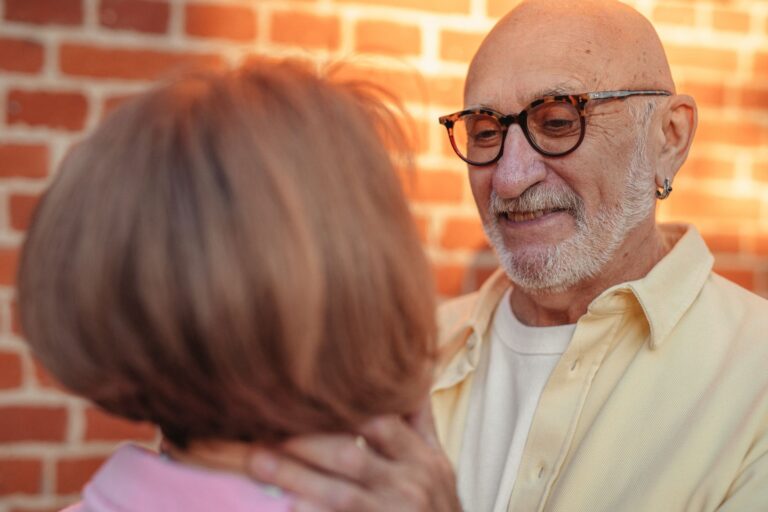
Not true at all! Many seniors have rich social lives filled with friends and family. Joining clubs, volunteering, or staying connected through social media keeps people engaged and happy well into their later years.
**Myth 4: Illness Is Inevitable as You Age**
While some health issues become more common with age, illness is not guaranteed for everyone who gets older. Staying healthy throughout life—eating well, exercising regularly—greatly reduces the risk of chronic illnesses or disabling conditions in old age.
**Myth 5: Genes Decide How Well You Age**
It’s easy to blame genes for how we look or feel as we get older. But only about one-quarter of aging is determined by genetics; lifestyle choices play a much bigger role in how you age than most people realize.
**Myth 6: Exercise Isn’t Safe for Seniors**
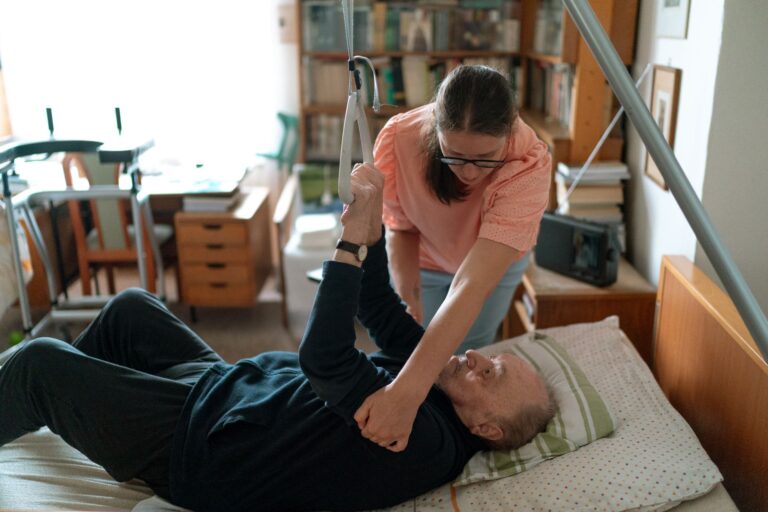
Some believe that exercise isn’t safe for older adults because they might get hurt or overdo it. The truth? Movement is important at every stage of life! Regular physical activity helps keep muscles strong and joints flexible while boosting mood and energy levels.
Aging doesn’t have to mean slowing down or losing out on fun experiences in life—there are plenty of ways to stay active both physically and mentally no matter your age!
For more, see National Institute on Aging.