The antiviral drug in question is acyclovir, originally approved decades ago to treat herpes simplex and varicella-zoster virus — the same virus responsible for chickenpox in children — which can reactivate in adults as shingles. For older adults and those involved in dementia caregiving, this matters more than most people realize. Shingles episodes can cause debilitating pain, cognitive disruption, and in some research, have been loosely associated with increased dementia risk. Acyclovir and its derivatives, particularly valacyclovir, remain the frontline antiviral treatments prescribed when this childhood virus resurfaces in aging immune systems.
What makes this topic relevant to brain health is a growing body of research exploring whether herpesviruses — including varicella-zoster — play a role in neurodegeneration. A person caring for a spouse with Alzheimer’s, already under chronic stress and likely immunocompromised from exhaustion, may be exactly the kind of adult vulnerable to a shingles reactivation. Understanding how antiviral treatment works, when to seek it, and what the limitations are can be genuinely protective. This article covers how acyclovir works against the varicella-zoster virus, why adults remain vulnerable, the connection researchers are investigating between herpesviruses and cognitive decline, and practical steps for prevention and treatment.
Table of Contents
- Why Does a Childhood Virus Like Chickenpox Come Back in Adults?
- How Acyclovir Works Against Varicella-Zoster and Its Limitations
- The Herpesvirus-Dementia Connection Researchers Are Investigating
- Shingles Vaccination Versus Antiviral Treatment — What Offers Better Protection?
- Risks of Untreated Shingles in Older Adults and Dementia Patients
- What Caregivers Should Watch For
- Where Antiviral Research and Brain Health Intersect Going Forward
- Conclusion
- Frequently Asked Questions
Why Does a Childhood Virus Like Chickenpox Come Back in Adults?
Varicella-zoster virus, the cause of chickenpox, never actually leaves the body after a childhood infection. Once the itchy blisters clear up, the virus retreats into nerve cells near the spinal cord and brain, where it lies dormant — sometimes for decades. The immune system keeps it suppressed, but as immunity naturally weakens with age, stress, or illness, the virus can reactivate. When it does, it travels along nerve fibers to the skin, causing the painful, blistering rash known as herpes zoster, or shingles. Roughly one in three people who had chickenpox will develop shingles at some point in their lifetime, according to historical estimates from the Centers for Disease Control and Prevention. The risk increases significantly after age 50, and it climbs steeply from there.
People who are immunocompromised — whether from cancer treatment, autoimmune conditions, organ transplant medications, or simply the chronic stress of full-time caregiving — face even higher odds. Consider someone in their late 60s managing a household while providing round-the-clock care for a partner with dementia. Their cortisol levels are elevated, their sleep is fragmented, and their immune surveillance is compromised. That is a textbook scenario for varicella-zoster reactivation. What distinguishes shingles from a simple skin rash is the nerve involvement. The virus damages nerves as it travels, which is why shingles pain can precede the rash by days and persist for months or even years afterward in a condition called postherpetic neuralgia. In older adults, this chronic pain can worsen confusion, reduce mobility, interfere with sleep, and accelerate functional decline — all of which are especially dangerous for someone already navigating cognitive impairment.

How Acyclovir Works Against Varicella-Zoster and Its Limitations
Acyclovir was first approved by the FDA in 1982, making it one of the earliest targeted antiviral drugs. It works by mimicking a building block of viral DNA. When the virus tries to replicate, it incorporates acyclovir into its genetic material, which halts the replication process. Critically, acyclovir is preferentially activated by a viral enzyme called thymidine kinase, meaning it is far more active in infected cells than in healthy ones. This selectivity is why acyclovir has a relatively favorable side-effect profile compared to many other antiviral or antimicrobial drugs. For shingles treatment, acyclovir is typically prescribed at higher doses than for oral herpes — historically 800 milligrams taken five times per day for seven to ten days. Valacyclovir, a prodrug that converts to acyclovir in the body, is often preferred because it requires less frequent dosing, usually three times daily, and achieves higher blood levels.
Both drugs are most effective when started within 72 hours of rash onset, which is a critical window that many patients miss, particularly older adults who may not immediately recognize the early symptoms or who face delays getting medical attention. However, there are real limitations. Acyclovir does not eliminate the virus from the body. It reduces viral replication during an active episode, shortens the duration of the rash, and may reduce the severity of postherpetic neuralgia, but it is not a cure. In immunocompromised patients, the virus can sometimes develop resistance to acyclovir, though this remains uncommon in otherwise healthy older adults. Kidney function is another concern — acyclovir is cleared through the kidneys, and dosing must be adjusted in people with renal impairment, which is common in elderly populations. Dehydration during treatment can increase the risk of kidney damage, so adequate fluid intake is essential and sometimes overlooked in dementia patients who may not communicate thirst.
The Herpesvirus-Dementia Connection Researchers Are Investigating
Over the past two decades, a provocative line of research has examined whether herpesviruses contribute to Alzheimer’s disease and other forms of neurodegeneration. The hypothesis, championed early on by researchers like Ruth Itzhaki at the University of Manchester, proposes that herpes simplex virus type 1 and varicella-zoster virus can reach the brain, trigger inflammation, and promote the accumulation of amyloid-beta plaques — one of the hallmarks of Alzheimer’s pathology. Several large epidemiological studies, including analyses from Taiwan’s national health database published in the mid-2010s, found that people diagnosed with herpes zoster had a modestly elevated risk of developing dementia in subsequent years. Some of these studies also suggested that antiviral treatment appeared to reduce that risk, though the effect sizes were small and the studies were observational, meaning they could not prove causation.
It is worth noting that these findings remain debated in the scientific community. Correlation between shingles and later dementia could reflect shared risk factors — such as age, immune decline, and chronic inflammation — rather than a direct viral mechanism. What is less controversial is that acute shingles episodes can cause temporary cognitive disruption in older adults, particularly when accompanied by severe pain, sleep deprivation, hospitalization, or the use of certain pain medications. For someone already living with mild cognitive impairment, a bout of shingles can look like a sudden worsening of dementia, even if the cognitive effects are partly reversible once the infection resolves. Caregivers should be aware of this possibility and communicate it to medical providers so that a shingles episode is not mistaken for irreversible disease progression.

Shingles Vaccination Versus Antiviral Treatment — What Offers Better Protection?
Prevention and treatment serve different roles, and for older adults concerned about brain health, understanding the tradeoff matters. The recombinant zoster vaccine, marketed as Shingrix, has historically been recommended for adults age 50 and older, regardless of whether they recall having chickenpox. In clinical trials, Shingrix demonstrated efficacy above 90 percent in preventing shingles in adults over 50, with protection remaining strong for at least several years after vaccination. This makes it substantially more effective than its predecessor, the live-attenuated Zostavax, which was less effective in the oldest age groups and is no longer available in the United States. Antiviral drugs like acyclovir and valacyclovir, by contrast, are reactive rather than preventive. They do not stop shingles from occurring — they manage it once it has started.
The most direct comparison is this: vaccination tries to prevent the episode entirely, while antivirals try to shorten and soften an episode that has already begun. For someone weighing options, the vaccine is the stronger bet by a wide margin, but it does not eliminate the need for antivirals. Breakthrough shingles can still occur in vaccinated individuals, though it tends to be milder. For dementia caregivers specifically, there is a practical consideration. The Shingrix vaccine requires two doses, spaced two to six months apart, and commonly causes a day or two of fatigue, muscle aches, and sometimes fever — side effects strong enough that some caregivers may postpone the second dose because they cannot afford a day off from caregiving. This is a real barrier worth planning around. Arranging respite care for the vaccination days can make the difference between completing the series and leaving protection incomplete.
Risks of Untreated Shingles in Older Adults and Dementia Patients
The most common serious complication of shingles is postherpetic neuralgia, chronic nerve pain that persists after the rash has healed. Estimates have historically suggested that roughly 10 to 18 percent of people who develop shingles will experience postherpetic neuralgia, with the risk increasing substantially with age. In adults over 70, some studies have found rates above 25 percent. The pain can be burning, stabbing, or electric in quality, and it can last months to years. For a person living with dementia, postherpetic neuralgia presents a particularly cruel challenge. They may not be able to articulate where or how they hurt, leading to behavioral changes — agitation, aggression, withdrawal, or refusal to eat — that caregivers and providers may misattribute to the dementia itself rather than to treatable pain.
Unmanaged pain accelerates cognitive and functional decline, disrupts sleep, and increases fall risk. If a dementia patient has recently had shingles and their behavior has worsened, pain should be high on the list of suspected causes. Less commonly, shingles can affect the eye (herpes zoster ophthalmicus), which can threaten vision, or the ear and facial nerve (Ramsay Hunt syndrome), which can cause facial paralysis and hearing loss. In rare cases, the virus can cause encephalitis or meningitis. These complications are more likely in immunocompromised individuals and underscore why prompt antiviral treatment is not optional — it is urgent. Waiting to see if the rash improves on its own is a gamble that carries real neurological stakes, especially in a population already vulnerable to brain injury.
What Caregivers Should Watch For
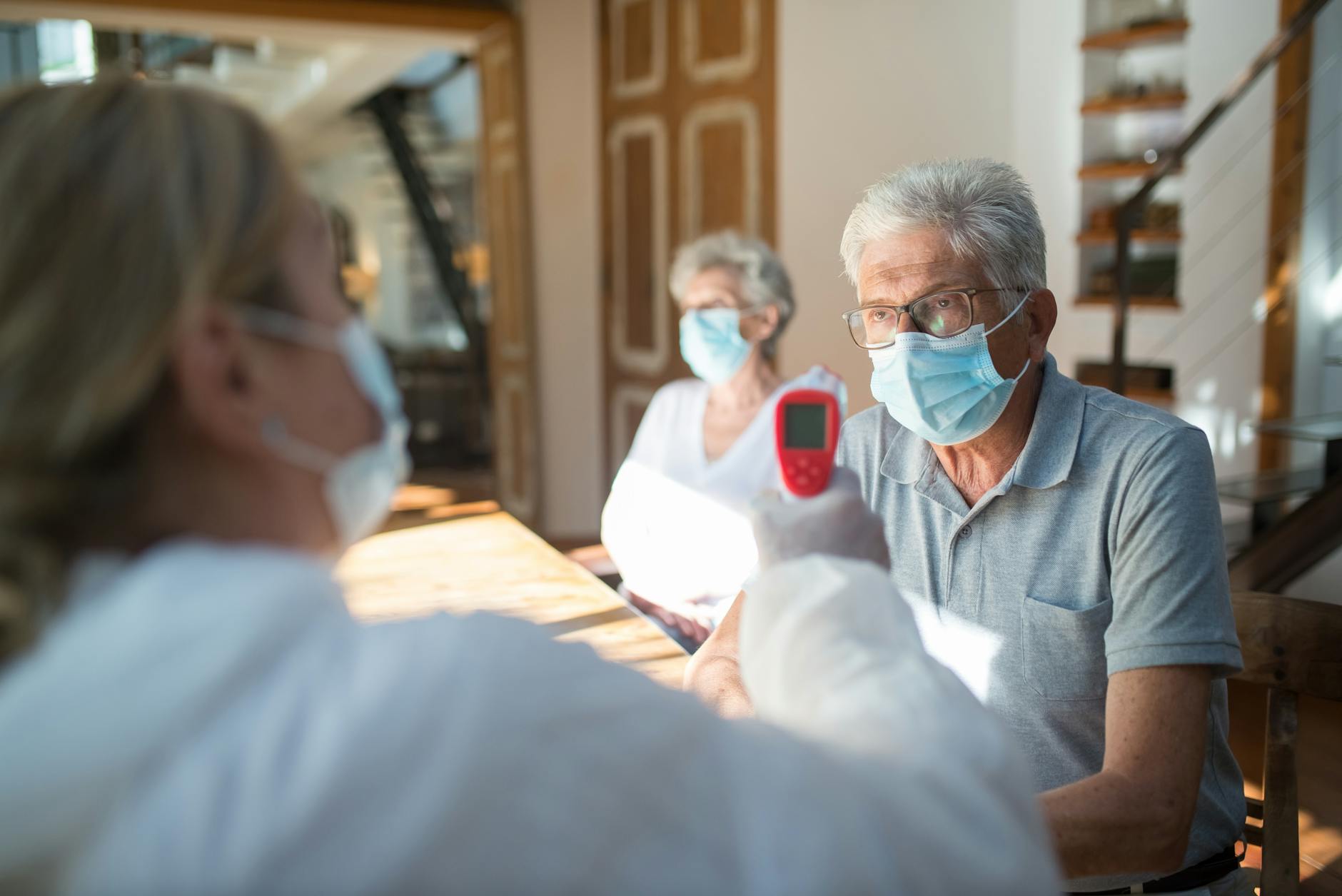
Caregivers looking after someone with dementia need to know the early warning signs of shingles because the person in their care may not be able to report them. The first symptom is usually localized pain, tingling, or burning on one side of the body, often on the torso or face, days before any rash appears. A person with dementia might flinch when touched in a specific area, guard one side of their body, or become unusually irritable without obvious cause.
Once the rash appears — typically a band of red blisters following a nerve path on one side — the diagnosis becomes more apparent, but by then the 72-hour treatment window may already be closing. If a caregiver notices any of these signs, the best course of action is to seek medical evaluation the same day rather than waiting for a scheduled appointment. Telehealth visits, where available, can be useful for getting an initial assessment and prescription quickly. Communicating clearly to the physician that the patient has dementia is important, because it affects both the choice of medications and the monitoring plan — pain management options that cause sedation or confusion, for instance, may need to be avoided or carefully dosed.
Where Antiviral Research and Brain Health Intersect Going Forward
The question of whether antiviral drugs could serve a preventive role against neurodegeneration — not just treat active infections — remains one of the more intriguing open questions in Alzheimer’s research. As of recent reports, at least one clinical trial has been exploring whether valacyclovir can slow cognitive decline in people with early Alzheimer’s who also carry herpes simplex virus. Results from such trials, if positive, could shift how the medical community thinks about the intersection of infectious disease and dementia.
Even without definitive trial results, the existing epidemiological evidence has prompted some researchers to argue for a more aggressive approach to preventing and treating herpesvirus reactivations in older adults, particularly those at elevated dementia risk. Whether or not the viral hypothesis of Alzheimer’s proves correct in the strongest sense, there is little downside to ensuring that older adults receive timely shingles vaccination and prompt antiviral treatment for reactivations. These are interventions with well-established safety profiles that reduce suffering from shingles itself — and if they also offer some degree of neuroprotection, that is a significant bonus in a field with few effective preventive strategies.
Conclusion
Acyclovir and its derivatives remain the standard antiviral treatment for varicella-zoster reactivation in adults, a condition that becomes increasingly likely and increasingly dangerous with age. For people involved in dementia care — whether as patients or caregivers — the stakes of recognizing and treating shingles promptly are higher than average. Untreated episodes can cause lasting pain, worsen cognitive function, and complicate an already demanding caregiving situation.
Vaccination with Shingrix offers the strongest available protection against shingles, and antiviral treatment provides a critical safety net when prevention falls short. The emerging research linking herpesviruses to dementia risk adds another layer of urgency, even if the science has not yet reached the level of certainty needed to change clinical guidelines. In the meantime, the practical steps are clear: ensure vaccination is up to date, recognize the early signs of shingles, seek treatment within the first 72 hours, and advocate loudly for pain management in patients who cannot advocate for themselves. These are small, concrete actions with outsized impact on quality of life.
Frequently Asked Questions
Can you get shingles more than once?
Yes. While most people experience shingles only once, recurrences are possible, particularly in immunocompromised individuals. Having had one episode does not guarantee immunity from future reactivations, which is one reason vaccination is still recommended even for people who have already had shingles.
Is shingles contagious to someone with dementia who already had chickenpox?
Shingles itself is not contagious in the usual sense, but the fluid in shingles blisters contains live varicella-zoster virus. A person who has already had chickenpox is not at risk of catching chickenpox again, but direct contact with open blisters should still be avoided, particularly around anyone who has never had chickenpox or is severely immunocompromised.
Can acyclovir interact with common dementia medications?
Acyclovir has relatively few drug interactions, but because it is cleared through the kidneys, caution is needed if the patient is taking other medications that affect kidney function. Always inform the prescribing physician of all current medications, including cholinesterase inhibitors and memantine, so they can adjust dosing and monitor kidney function appropriately.
Should someone with dementia get the Shingrix vaccine?
Generally, yes. A dementia diagnosis does not contraindicate the Shingrix vaccine. The decision should be made in consultation with the patient’s physician, taking into account overall health status, life expectancy, and ability to tolerate the common side effects, which can include temporary fatigue and soreness.
How long does postherpetic neuralgia typically last?
Duration varies widely. Some people experience resolution within a few months, while others have pain that persists for a year or more. Older adults and those who had more severe initial rashes tend to have longer-lasting postherpetic neuralgia. Early antiviral treatment may reduce both the likelihood and duration of this complication.