Anesthesia drug sits at the center of this dementia and brain health question.
Hospitals and surgical centers across the United States have been grappling with a persistent shortage of critical anesthesia drugs, forcing medical teams to postpone elective surgeries, switch to less familiar alternatives, and in some cases make difficult decisions about which patients receive care first. For families navigating dementia care, this shortage carries particular weight — many older adults with cognitive decline require surgical procedures for hip fractures, cardiac issues, or other age-related conditions, and delays or substitutions in anesthesia can introduce additional risks for patients whose brains are already vulnerable. The shortage has affected several commonly used anesthetic and sedation agents, including propofol, fentanyl, midazolam, and certain formulations of local anesthetics.
As of recent reports, the root causes have included manufacturing disruptions, raw material sourcing problems, regulatory actions against production facilities, and surging demand that has outpaced supply chains built with little redundancy. One widely reported example involved a major injectable drug manufacturer receiving a warning letter from the FDA over quality control concerns at a key production plant, which led to reduced output of several sterile injectables used daily in operating rooms nationwide. This article examines the scope of the anesthesia drug shortage, why it matters especially for older adults and those with dementia, what alternative drugs and protocols hospitals are using, the cognitive risks that anesthesia substitutions may pose, and what patients and caregivers can do to advocate for the safest possible surgical experience during this challenging period.
Table of Contents
- Why Is There an Anesthesia Drug Shortage Affecting Surgeries Across the Country?
- How Anesthesia Shortages Pose Unique Risks for Dementia Patients
- Which Anesthesia Drugs Are Most Commonly in Short Supply?
- What Patients and Caregivers Can Do to Prepare for Surgery During a Drug Shortage
- The Hospital-Level Impact and How Institutions Are Adapting
- The Cognitive Aftereffects of Anesthesia and Why They Matter More During Shortages
- Will the Anesthesia Drug Shortage End, and What Would Fix It?
- Conclusion
- Frequently Asked Questions
Why Is There an Anesthesia Drug Shortage Affecting Surgeries Across the Country?
The anesthesia drug shortage is not a single event but rather a recurring and compounding problem rooted in the economics and logistics of pharmaceutical manufacturing. Many of the drugs used in anesthesia — propofol, ketamine, certain opioids, and neuromuscular blocking agents — are generic sterile injectables. Because they are generics, profit margins are thin, which means fewer manufacturers are willing to invest in the specialized, FDA-regulated facilities required to produce them. When even one major producer experiences a disruption, the remaining suppliers often cannot absorb the sudden spike in demand, and shortages ripple through the system within weeks. Manufacturing quality issues have been a significant driver.
The FDA has historically issued warning letters and import alerts to facilities producing sterile injectables, sometimes forcing temporary shutdowns for remediation. When a plant that supplies a substantial share of the national propofol or fentanyl supply goes offline, hospitals feel the impact almost immediately. Unlike oral medications that can be stockpiled, many injectable anesthetics have limited shelf lives and require cold chain storage, making it impractical for hospitals to maintain large buffer inventories. Supply chain fragility is compounded by the fact that key raw ingredients — known as active pharmaceutical ingredients, or APIs — are often sourced from a small number of overseas suppliers. A disruption at a single API facility, whether from regulatory action, natural disaster, or geopolitical tension, can choke production across multiple finished-drug manufacturers simultaneously. Compared to shortages of, say, a blood pressure pill where patients can switch to another class of medication relatively easily, anesthesia drug shortages are particularly dangerous because the alternatives may behave differently in the body, require different dosing expertise, and carry distinct side-effect profiles that anesthesiologists must rapidly learn to manage.

How Anesthesia Shortages Pose Unique Risks for Dementia Patients
Older adults with dementia are among the most medically vulnerable populations when it comes to anesthesia, and drug shortages amplify those risks in ways that families and even some clinicians may not fully appreciate. The aging brain processes anesthetic agents differently — clearance rates slow, sensitivity to sedation increases, and the risk of postoperative delirium and lasting cognitive decline climbs substantially. When the preferred anesthetic for a given procedure is unavailable and a substitute must be used, the anesthesia team may have less clinical experience fine-tuning that alternative for elderly patients with cognitive impairment. Postoperative delirium — a sudden, severe confusion that can last days or weeks after surgery — affects an estimated 15 to 50 percent of older surgical patients under normal circumstances, with rates toward the higher end among those who already have dementia.
The choice of anesthetic agent, the depth of sedation, and the use of certain adjunct medications all influence delirium risk. When shortages force clinicians to substitute a less-studied or less-preferred agent, there is legitimate concern that delirium rates could increase, though rigorous data specifically linking shortage-driven substitutions to worse cognitive outcomes remains limited. However, it is important to note that anesthesiologists are highly trained in managing drug alternatives, and most surgical centers have developed shortage protocols precisely to maintain patient safety. If your loved one with dementia needs surgery during a shortage period, the risk is not that they will receive dangerous care — it is that the care may require more vigilance, more communication, and more proactive planning than it would under normal supply conditions. Families should not avoid necessary surgery out of fear, but they should ask informed questions about what drugs will be used and how the team plans to minimize delirium risk.
Which Anesthesia Drugs Are Most Commonly in Short Supply?
The specific drugs affected by shortages shift over time, but several agents have appeared repeatedly on the FDA’s Drug Shortage List and the American Society of Health-System Pharmacists’ shortage database. Propofol, the milky-white intravenous agent used to induce and sometimes maintain general anesthesia, has experienced multiple shortage episodes over the past decade. It is favored in part because of its rapid onset and quick recovery profile, which can be advantageous for older patients. When propofol is unavailable, teams may turn to etomidate, ketamine, or inhaled anesthetic agents like sevoflurane, each of which has a different side-effect profile and recovery trajectory. Fentanyl and other synthetic opioids used for intraoperative pain control have also faced supply disruptions, partly due to increased regulatory scrutiny of manufacturing facilities and partly due to the broader political and regulatory environment surrounding opioid production.
Midazolam, a benzodiazepine commonly used for preoperative sedation, has similarly been affected. For dementia patients, benzodiazepine alternatives are particularly relevant because benzodiazepines are associated with increased confusion and delirium risk in older adults — so paradoxically, a shortage of midazolam might in some cases prompt use of a safer alternative, though it could also lead to substitution with a less familiar agent. Neuromuscular blocking agents such as succinylcholine and rocuronium, which are used to relax muscles during intubation and surgery, have also experienced periodic shortages. Without these drugs, certain surgical procedures become significantly more challenging to perform safely. Hospitals have reported needing to ration these agents, reserving them for emergency cases and postponing elective procedures until supply stabilizes.

What Patients and Caregivers Can Do to Prepare for Surgery During a Drug Shortage
The most practical step a caregiver can take is to have an early, direct conversation with the surgical and anesthesia teams about the current supply situation. Ask specifically whether any of the drugs typically used for your loved one’s procedure are currently in short supply, and if so, what alternatives are planned. This is not about second-guessing the medical team — it is about ensuring that the anesthesiologist is aware of your family member’s dementia diagnosis and any previous reactions to sedation or anesthesia, which can influence which substitute is safest. There is a real tradeoff between delaying surgery and proceeding with substitute drugs. For truly elective procedures — a knee replacement that could wait three months, for instance — it may be reasonable to discuss postponement until preferred agents are back in stock.
For urgent or semi-urgent cases, such as a hip fracture repair in a patient with moderate Alzheimer’s disease, delay itself carries serious risks: prolonged immobility, increased pain, higher rates of pneumonia and blood clots, and accelerated cognitive decline from hospitalization. In these situations, proceeding with the best available anesthetic protocol is almost always preferable to waiting. Caregivers should also ask about the anesthesia approach itself, not just the specific drugs. Regional anesthesia — such as a nerve block or spinal anesthetic — may be an option for some procedures and can reduce the need for general anesthetic agents entirely. Research has suggested that regional approaches may be associated with lower rates of postoperative delirium in older adults, though findings are mixed and the decision depends heavily on the specific surgery, the patient’s anatomy, and the anesthesiologist’s expertise. During a shortage, regional techniques may become more attractive simply because they reduce reliance on the drugs that are hardest to obtain.
The Hospital-Level Impact and How Institutions Are Adapting
Hospitals have been forced to develop increasingly sophisticated shortage management protocols. Many larger health systems now employ dedicated drug shortage pharmacists whose role is to monitor supply chains, identify emerging shortages before they become critical, and work with anesthesia departments to develop substitution guidelines. These protocols are not trivial — switching from one anesthetic to another requires updated dosing charts, nursing education, revised monitoring parameters, and often changes to electronic health record order sets. However, not all hospitals are equally equipped to manage shortages. Smaller community hospitals and rural surgical centers may lack the pharmacy infrastructure, purchasing leverage, and clinical depth to respond as nimbly as major academic medical centers. A patient undergoing surgery at a large teaching hospital during a propofol shortage may receive care from an anesthesia team that has already managed dozens of cases with the substitute agent and refined their approach.
The same patient at a small rural hospital might encounter a team using the alternative for the first time. This disparity is particularly concerning for dementia patients, who already require more careful anesthetic management. There is also a troubling economic dimension. When drug shortages occur, some suppliers and intermediaries have historically raised prices on remaining stock, and gray-market distributors have emerged offering drugs of uncertain provenance at inflated costs. The FDA has warned against purchasing from unverified sources, but cash-strapped hospitals facing empty shelves sometimes face difficult choices. Patients and families should feel empowered to ask their hospital’s pharmacy whether the drugs being used are sourced through normal, FDA-approved supply channels.
The Cognitive Aftereffects of Anesthesia and Why They Matter More During Shortages
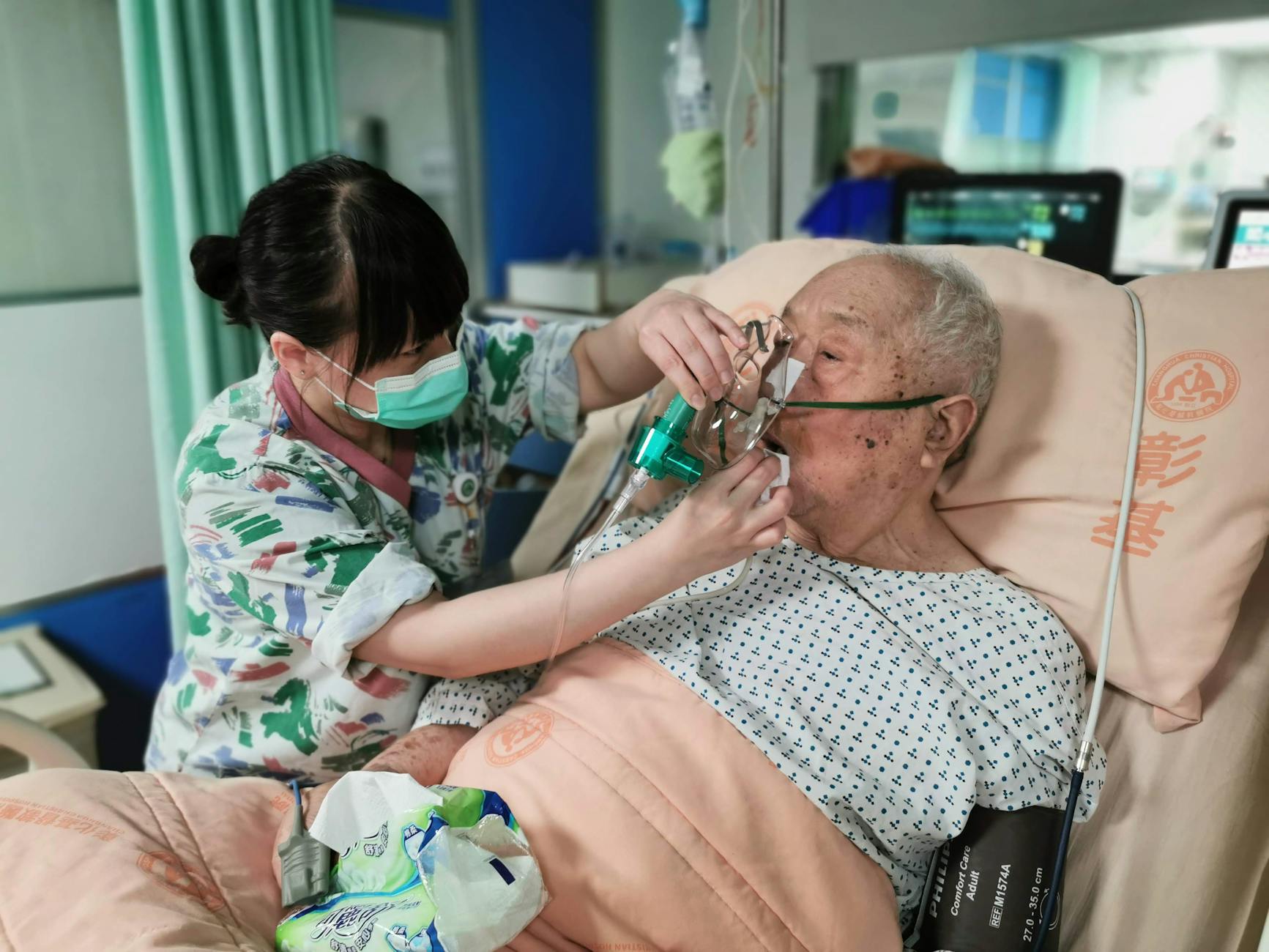
Even under optimal conditions, general anesthesia carries a risk of postoperative cognitive dysfunction, or POCD, particularly in patients over 65. POCD can manifest as memory problems, difficulty concentrating, and slowed information processing that persists for weeks or months after surgery. In patients who already have Alzheimer’s disease or another form of dementia, distinguishing POCD from disease progression can be extremely difficult, and families may notice a stepwise decline after surgery that never fully recovers.
During a drug shortage, the concern is not that substitute anesthetics are inherently more dangerous, but that the accumulated clinical experience with optimizing those substitutes for cognitively vulnerable patients may be thinner. For example, an anesthesia team that has spent years titrating propofol doses for elderly dementia patients and developing institutional expertise in minimizing emergence delirium with that specific agent now must rebuild some of that intuition with a different drug. Over time, this expertise develops — but during the transition period, vigilance and communication become especially important.
Will the Anesthesia Drug Shortage End, and What Would Fix It?
Addressing the structural causes of anesthesia drug shortages requires changes that go well beyond any single manufacturer or regulatory action. Policy proposals have included creating a national strategic reserve of essential generic medications, providing financial incentives for manufacturers to maintain redundant production capacity, and reforming FDA inspection processes to reduce the binary nature of plant shutdowns. Some health systems have begun exploring in-house compounding of certain sterile injectables as a hedge against supply disruptions, though this approach carries its own regulatory and quality-assurance challenges.
Looking ahead, the pharmaceutical supply chain for generic sterile injectables remains fragile, and most experts in the field have cautioned against expecting a quick resolution. For families caring for a loved one with dementia, the most important takeaway is that anesthesia drug shortages are a systemic problem — not a reflection of any individual hospital’s competence — and that proactive communication with surgical teams remains the single most effective tool for ensuring the safest possible outcome. As supply chain reforms slowly take shape, the immediate priority is making sure that every patient’s cognitive vulnerability is visible to and accounted for by the clinicians managing their care.
Conclusion
The anesthesia drug shortage is a complex, ongoing challenge that touches nearly every surgical facility in the country and carries outsized implications for older adults living with dementia. From propofol to fentanyl to neuromuscular blockers, the drugs that make modern surgery safe and tolerable have been subject to repeated supply disruptions driven by manufacturing fragility, thin profit margins, and concentrated supply chains. For dementia patients, whose brains are more sensitive to anesthetic agents and more prone to postoperative delirium and cognitive decline, these shortages add a layer of risk that demands careful attention from both medical teams and family caregivers. The path forward involves both systemic reform and individual advocacy.
Families should ask direct questions about drug availability, anesthesia alternatives, and delirium prevention strategies before any planned surgery. They should weigh the risks of delay against the risks of proceeding with substitute agents, always in close consultation with the surgical and anesthesia teams. And they should know that while the shortage is real and consequential, the medical profession has developed meaningful strategies to maintain safe care even when preferred drugs are unavailable. Staying informed, asking the right questions, and ensuring that your loved one’s cognitive status is front and center in every surgical planning conversation are the most powerful steps you can take.
Frequently Asked Questions
Can surgery be safely performed during an anesthesia drug shortage?
Yes. Anesthesiologists are trained to work with multiple agents and have developed institutional protocols for managing substitutions. The key is ensuring the team is aware of any cognitive impairment or prior anesthesia reactions so they can tailor their approach accordingly.
Should I delay my family member’s surgery until the shortage ends?
It depends on urgency. For elective procedures with no immediate health consequences from waiting, postponement may be reasonable. For urgent surgeries like hip fracture repair, the risks of delay — immobility, pain, cognitive decline from prolonged hospitalization — typically outweigh the risks of proceeding with alternative anesthetic agents.
Does anesthesia make dementia worse?
Research suggests that general anesthesia may be associated with postoperative cognitive dysfunction, especially in older adults. Whether anesthesia accelerates underlying dementia progression remains debated in the medical literature. The risk appears to be influenced by the depth and duration of anesthesia, the specific agents used, and the patient’s baseline cognitive function.
What should I tell the anesthesiologist about my loved one’s dementia?
Share the specific diagnosis, current medications (especially any cholinesterase inhibitors like donepezil or memantine), any prior experiences with anesthesia or sedation, and whether your family member has a history of delirium or agitation. This information helps the team choose the safest agents and monitoring approach.
Are regional anesthesia options safer for dementia patients?
Some research suggests regional techniques like nerve blocks or spinal anesthesia may be associated with lower delirium rates in older adults, though evidence is mixed. Not all procedures can be performed under regional anesthesia, and the decision depends on individual patient factors. It is worth asking the surgical team whether a regional approach is feasible.
You Might Also Like
- The Injectable Migraine Drug Working in 30 Minutes Flat
- The Hepatitis B Drug That Controls the Virus but Never Cures It
- The FDA Black Box Warning Added to This Common Drug This Year
For more, see NIH MedlinePlus — cognitive testing.