Reviewed by the Help Dementia Editorial Team — our editors review every article for accuracy against guidance from the National Institute on Aging, the Alzheimer’s Association, and peer-reviewed sources.
Dementia most sits at the center of this dementia and brain health question.
The four types of dementia most people have never heard of are vascular dementia, Lewy body dementia, frontotemporal dementia, and mixed dementia—and together they account for nearly 40 percent of all dementia cases. Yet despite affecting millions of people worldwide, they remain largely absent from public conversation and, more troublingly, from clinical recognition. A 65-year-old woman experiencing vivid visual hallucinations and sleep disturbances may spend months being tested for Parkinson’s disease before anyone considers Lewy body dementia.
A 52-year-old man whose behavior suddenly becomes inappropriate and unfiltered at work might be dismissed as having a midlife crisis rather than frontotemporal dementia. These misdiagnoses matter enormously because treating the wrong condition with the wrong medications can accelerate cognitive decline. This article covers why these lesser-known dementia types matter, how they differ from Alzheimer’s disease in ways that fundamentally change treatment approaches, and why the significant gap in diagnosis—with only 20 to 50 percent of dementia cases recognized in high-income countries and up to 90 percent missed in low and middle-income countries—means millions of people are suffering without proper care.
Table of Contents
- What Are the Lesser-Known Dementia Types Beyond Alzheimer’s?
- Understanding Vascular Dementia and Its Underlying Causes
- Lewy Body Dementia: When Early Hallucinations Lead to Misdiagnosis
- Frontotemporal Dementia: Dementia in Middle Age
- The Diagnosis Challenge: Why Tests Fail and Doctors Miss These Types
- Why Correct Diagnosis Changes Treatment and Quality of Life
- The Global Impact of Undiagnosed Dementia
- Conclusion
What Are the Lesser-Known Dementia Types Beyond Alzheimer’s?
Alzheimer’s disease dominates the dementia conversation, accounting for 43.5 percent of all dementia cases in the U.S. But three other types deserve equal attention. Vascular dementia, caused by reduced blood flow to the brain from conditions like high blood pressure, irregular heartbeat, diabetes, high cholesterol, and blood clots, affects 14.5 to 20 percent of people with dementia, making it the second most common type. Lewy body dementia, characterized by abnormal deposits of the alpha-synuclein protein throughout the brain, accounts for 5.4 percent of cases and is often called the most frequently misdiagnosed dementia because its early symptoms—visual hallucinations and fluctuating alertness—are mistaken for psychiatric conditions.
Frontotemporal dementia, though rare at only 1 percent of dementia cases, strikes a uniquely vulnerable population: people in their 40s, 50s, and early 60s, during their most productive years, when dementia is the last thing families expect. The prevalence differences matter clinically. Because Lewy body dementia affects fewer people than Alzheimer’s, many doctors lack experience recognizing it. The same is true for frontotemporal dementia, where personality and behavioral changes—not memory loss—are the primary symptom. A cardiologist might recognize vascular dementia’s connection to heart disease and blood pressure, but a primary care doctor seeing only cognitive symptoms might miss the vascular cause entirely and assume Alzheimer’s by default.

Understanding Vascular Dementia and Its Underlying Causes
Vascular dementia operates through a fundamentally different mechanism than Alzheimer’s. Where Alzheimer’s involves protein tangles accumulating inside brain cells, vascular dementia results from blood vessels that are narrowed, blocked, or damaged, starving brain tissue of oxygen. The culprits are familiar to anyone managing cardiovascular disease: hypertension damages artery walls, diabetes increases clot risk, atrial fibrillation causes irregular blood flow, and high cholesterol contributes to plaque buildup. some people experience a single major stroke that causes sudden cognitive decline; others suffer multiple small strokes over years that gradually erode memory and thinking, a presentation sometimes called multi-infarct dementia. A 70-year-old with decades of poorly controlled high blood pressure and a history of smoking may develop vascular dementia and attribute the memory loss to normal aging, when in fact each uncontrolled blood pressure spike was damaging cerebral vessels.
However, vascular dementia offers something Alzheimer’s does not: modifiable risk factors that can slow or sometimes prevent progression. Managing blood pressure, controlling diabetes, taking statins, quitting smoking, and treating arrhythmias directly address the cause of cognitive decline. This means a person recently diagnosed with vascular dementia who brings their blood pressure into target range may see their cognitive symptoms stabilize or even improve slightly. The critical distinction is that waiting for symptoms to worsen before acting is much less effective than preventing the vascular damage from accumulating in the first place. Early recognition and aggressive management of underlying cardiovascular disease becomes not just a heart health issue but a dementia prevention strategy.
Lewy Body Dementia: When Early Hallucinations Lead to Misdiagnosis
Lewy body dementia announces itself in ways that perplex both patients and doctors. People often experience detailed visual hallucinations in the early stages—seeing small animals, children, or shadowy figures moving through their home—despite having intact reality testing (they may know the visions aren’t real, even while seeing them). They experience dramatic fluctuations in alertness and attention, sometimes appearing sharp and conversational for hours and then confused and drowsy the next. Sleep becomes chaotic, with vivid nightmares, sudden jerks of the limbs, or acting out dreams. Unlike Alzheimer’s, where memory loss comes early and is the most prominent feature, people with Lewy body dementia may have relatively intact memory initially but develop pronounced problems with attention and processing speed.
They often develop Parkinson-like motor symptoms: a shuffling gait, rigidity, tremor, or slow movement. This symptom cluster creates a diagnostic trap. Doctors seeing visual hallucinations and behavioral changes may suspect schizophrenia or psychosis and prescribe antipsychotic medications—which in people with Lewy body dementia can trigger dangerous worsening, including neuroleptic malignant syndrome, a potentially fatal reaction. An antidepressant prescribed for what appears to be late-life depression might address the mood component but miss the underlying neurological problem. A neurologist seeing Parkinson-like movement symptoms might diagnose Parkinson’s disease dementia when the primary pathology is actually Lewy body deposits. The reality is that Lewy body dementia requires its own framework: recognize the hallucinations and behavioral changes as core features, not complications; avoid antipsychotics; understand that attention and executive function matter more than memory in early stages; and appreciate that motor symptoms and cognitive decline are part of one disease process, not separate conditions.

Frontotemporal Dementia: Dementia in Middle Age
Frontotemporal dementia’s defining tragedy is that it strikes people far younger than Alzheimer’s typically does. While Alzheimer’s usually emerges after age 65, frontotemporal dementia most commonly begins between ages 45 and 64, when people are still working, parenting, and active in their communities. The primary symptom is not memory loss but profound personality and behavioral change. A previously conscientious accountant becomes impulsive and reckless with money. A devoted parent becomes emotionally indifferent to their children and makes crude comments without seeming to understand why that might hurt. Someone known for meticulous grooming suddenly stops bathing or caring about appearance.
Compulsive behaviors emerge: repetitive actions, elaborate routines, or fixation on particular objects or activities. Language can become stilted, repetitive, or sparse, or in some variants, people struggle to find words or comprehend what others say. What makes frontotemporal dementia particularly challenging is that the early symptoms look like personality disorder, midlife crisis, depression, or willful behavioral problems rather than neurological disease. Families describe watching a loved one “become someone else” while that person shows remarkable lack of insight into their own changes. A husband exhibits inappropriate sexual behavior and doesn’t understand his wife’s distress; a mother becomes cruel to her teenager and seems unmoved by her child’s tears. The behavioral variant of frontotemporal dementia specifically damages the regions governing personality, impulse control, and social awareness, which means the person loses the capacity to self-regulate and recognize harm. Unlike Alzheimer’s, where memory deficits are the central problem, frontotemporal dementia primarily attacks judgment and personality, making it psychologically devastating for families who watch someone they love transform into a stranger, often before anyone recognizes disease is the culprit.
The Diagnosis Challenge: Why Tests Fail and Doctors Miss These Types
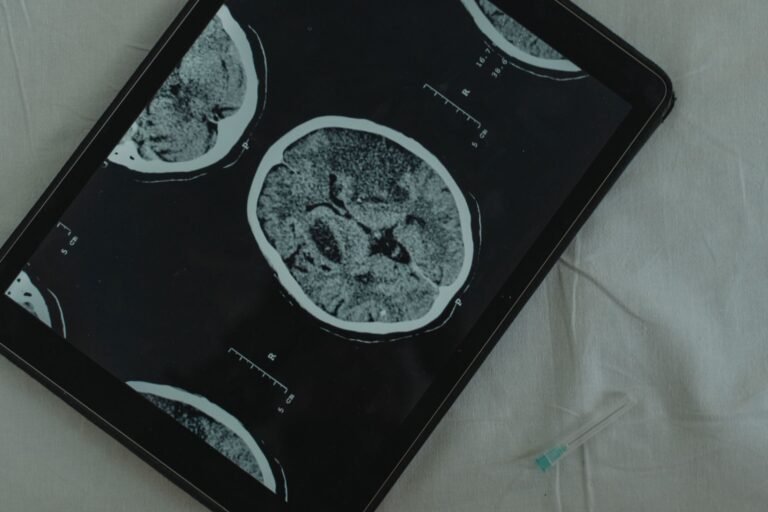
There is currently no single diagnostic test for Lewy body dementia. Doctors cannot draw blood and identify alpha-synuclein deposits. Brain imaging may show atrophy patterns consistent with Lewy body disease, but these patterns can overlap with other dementias. Instead, Lewy body dementia is diagnosed through clinical judgment—the doctor assembles a picture from the patient’s reported symptoms, observed behaviors, and medical history, then makes an informed diagnosis. The same is true for frontotemporal dementia, where the diagnosis rests heavily on recognizing the characteristic pattern of behavioral and personality changes early on. This reliance on clinical expertise means that someone seeing a doctor with less dementia experience, or in a setting where cognitive disorders get minimal attention, may never receive an accurate diagnosis.
The consequence is a massive diagnosis gap. Research shows that in high-income countries with robust primary care systems, only 20 to 50 percent of dementia cases are recognized and documented in clinical records. In low and middle-income countries, the figure is catastrophic: up to 90 percent of dementia cases remain undiagnosed. This means an elderly person in many parts of the world experiences cognitive decline, behavior change, or confusion, and neither they nor their family nor their doctor ever identifies it as dementia. They might be labeled as “slow,” “stubborn,” “lazy,” or “going senile,” but the medical diagnosis that could access treatment, support, and care planning never materializes. For lesser-known types like Lewy body and frontotemporal dementia, the gap is even wider because even where diagnosis is more common, these types are less frequently recognized.

Why Correct Diagnosis Changes Treatment and Quality of Life
Getting the diagnosis right is not academic. Different dementia types require different medications and care strategies. For vascular dementia, the focus is managing the underlying cardiovascular risk factors—blood pressure control, heart rate management, cholesterol reduction, and sometimes antiplatelet therapy. For Lewy body dementia, many standard Alzheimer’s medications that affect acetylcholine are actually helpful, but antipsychotics are contraindicated and can cause severe harm. Dopaminergic medications that help Parkinson’s disease can sometimes help motor symptoms in Lewy body dementia.
For frontotemporal dementia, behavioral management often takes precedence over cognitive approaches because the behavioral and personality changes are the dominant feature. A selective serotonin reuptake inhibitor (SSRI) sometimes helps with obsessive behaviors in frontotemporal dementia but would not address the core problem of impulse control or personality change. Consider a real-world scenario: a 58-year-old woman diagnosed with early-onset dementia and presumed to have Alzheimer’s is prescribed donepezil, a drug that increases acetylcholine in the brain. But what if the actual diagnosis is frontotemporal dementia? The donepezil may do little to address her behavioral changes and personality transformation, and the family continues feeling helpless because the treatment doesn’t match the disease. Alternatively, if the diagnosis is Lewy body dementia and someone prescribes an antipsychotic for her visual hallucinations and behavioral changes, that medication could trigger a catastrophic medical emergency. The patient’s quality of life depends not just on what disease they have but on whether that disease is correctly identified, because only then can appropriate management begin.
The Global Impact of Undiagnosed Dementia
Worldwide, more than 55 million people are living with dementia, and someone develops dementia every three seconds. The bulk of this population—nearly 60 percent—lives in low and middle-income countries where healthcare systems are strained and dementia is often considered an inevitable part of aging rather than a medical condition worthy of diagnosis and treatment. In regions without robust neurology or geriatric services, the vast undiagnosed portion means millions of people and their families suffer without understanding what is happening or what support might be available. A farmer in rural Asia experiencing behavioral changes and memory loss may be cared for by family but never receives a formal diagnosis.
An elderly person in a low-resource setting with symptoms of vascular dementia never gets blood pressure management or stroke prevention because no one connected their cognitive decline to their cardiovascular condition. Recognizing and diagnosing lesser-known dementia types becomes an issue of health equity and access. Even in well-resourced countries, awareness of Lewy body and frontotemporal dementia remains low among primary care physicians and the general public. Increasing education about these types—their distinct symptom patterns, their different treatment approaches, and their prevalence—could dramatically improve diagnostic accuracy and care quality. The moment a family recognizes that behavioral change and hallucinations might be neurological disease rather than psychiatric illness or personality flaw, the pathway toward appropriate diagnosis and care opens.
Conclusion
The four lesser-known types of dementia—vascular dementia, Lewy body dementia, frontotemporal dementia, and mixed dementia—account for roughly four in every ten cases yet remain poorly understood by the public and often missed by healthcare providers. Their symptoms differ profoundly from Alzheimer’s disease in ways that demand different treatment and care approaches. Vascular dementia is driven by blood vessel damage and offers opportunities for risk factor management. Lewy body dementia presents with hallucinations and motor symptoms that doctors often misinterpret, leading to harmful treatments.
Frontotemporal dementia strikes younger people and manifests primarily through personality and behavioral change, devastating families who watch someone become unrecognizable. If you or someone you care for is experiencing unexpected cognitive changes, behavioral shifts, hallucinations, or motor symptoms, seeking a comprehensive diagnostic evaluation is essential—ideally with a neurologist or geriatrician familiar with dementia subtypes. Correct diagnosis is the foundation for appropriate care, whether that means managing cardiovascular risk, carefully selecting medications, or organizing behavioral support. The prevalence gap, particularly in low and middle-income countries where up to 90 percent of dementia cases go undiagnosed, highlights the urgent need for broader awareness and improved access to diagnostic expertise. Understanding these lesser-known dementia types is not just clinical knowledge—it is the difference between misguided treatment and meaningful care.
You Might Also Like
- How Denied Claims Compromise Treatment Success for Dementia Patients
- How Denied Claims Compromise Treatment Success for Dementia Patients
- Central Asia Confronts Growing Rates of Cognitive Decline and Dementia
For more, see Alzheimer’s Association — medical tests.