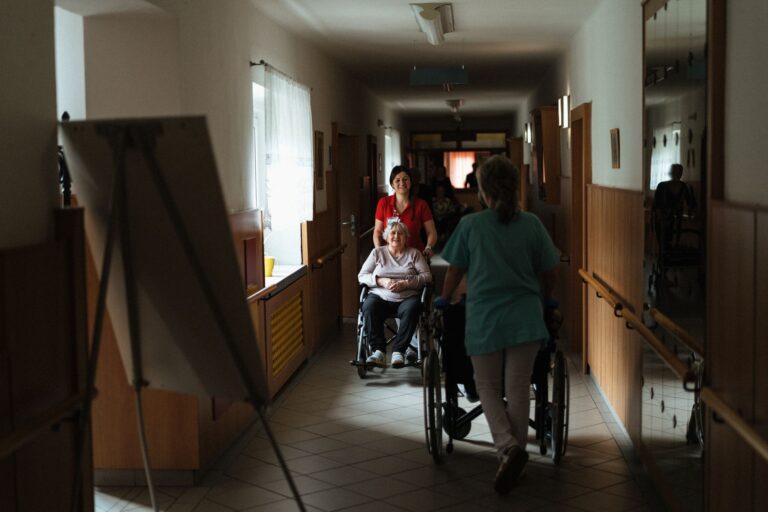
The 2026 Alzheimer's caregiving burden falls mainly on families providing billions of unpaid hours while absorbing rising financial and health strain. The widest growing gaps are adequate emotional support, practical lifestyle guidance, and help managing agitation. Alzheimer's disease is a progressive brain disorder that erodes memory, thinking, and daily function. According to the Alzheimer's Association 2026 Facts and Figures, more than 7 million Americans age 65 and older live with Alzheimer's in 2026, while nearly 13 million family members and friends provided over 19 billion hours of unpaid care in 2025, valued above $446 billion, as detailed in the Alzheimer's Association 2026 Facts and Figures.
Medical information disclaimer: This article is for general educational purposes only and does not provide medical advice, diagnosis, or treatment. Always consult a physician or other qualified health professional about symptoms, medications, tests, or treatment decisions.
Table of Contents
- How large is the unpaid care load?
- Where does the financial pressure land?
- How does caregiving change work and health?
- Which support gaps are growing fastest?
- What can families do now?
How large is the unpaid care load?
Unpaid family care remains the backbone of dementia support. A comprehensive USC-led model estimates about 5.2 million caregivers will provide 6.8 billion hours of dementia care in 2026. That scale puts daily supervision, meals, medicines, transport, and safety checks on relatives and friends.
Much of this work happens during prime working years. It often continues for years and intensifies as thinking and independence decline. Families in this position need backup plans for illness, travel, and work conflicts.
Where does the financial pressure land?
Formal care costs are climbing while families carry most of the total burden. Formal health and long-term care will cost $409 billion in 2026, up sharply from a year earlier. That concentrates bills for home aides, adult day programs, residential care, and medical visits on households.
The broader picture is larger. According to the USC Schaeffer Center analysis, total 2026 U.S. dementia costs reach $818 billion, with only 27 cents per dollar flowing through the health system and roughly 80% tied to out-of-pocket spending, unpaid care, lost wages, and quality-of-life loss, as explained in the USC Schaeffer Center analysis. Families therefore face both direct payments and hidden income loss.
How does caregiving change work and health?
Work disruption is common, not rare. According to the PatientsForACure survey report, 79.3% of Alzheimer's caregivers made some or major life or work changes, such as cutting hours, leaving jobs, or moving family, while only 13% made none, as reported in the PatientsForACure survey report. Reduced hours can lower earnings, savings, and health coverage.
Health effects accumulate. Pennsylvania data show 76.6% of dementia caregivers have a chronic condition, 32.5% have depression, and 16.0% report poor physical health. Sleep loss, skipped appointments, and constant vigilance worsen the toll. Caregivers need their own medical care, respite time, and mental-health support.
Which support gaps are growing fastest?
Emotional and practical guidance lags behind need. In the national survey, only 28% of caregivers said they received very adequate emotional support. Only 32.3% received comprehensive lifestyle guidance on diet, exercise, and cognitive engagement.
Agitation adds another strain. Nearly half of people with Alzheimer's develop agitation, yet about 40% of adults do not connect restlessness or aggression to dementia. According to the Patient Care report on the Alliance survey, over 90% of affected caregivers feel overwhelmed and about half find agitation harder than memory loss, as described in the Patient Care report on the Alliance survey.
What can families do now?
Start with a short care plan that names tasks, helpers, and limits. Use it to protect work, health, and household stability. Alzheimer's deaths reached 116,022 in 2024, up 134.1% from 49,558 in 2000, adding end-of-life and bereavement demands for more families.
- List weekly care hours, work conflicts, and one backup helper for each key task.
- Ask the care team for written guidance on meals, movement, sleep, safety, and cognitive activity.
- Track agitation triggers, timing, and calming steps, then bring the notes to appointments.
- Schedule respite before exhaustion, through family rotation, adult day services, or short-term home help.
- Keep one folder for diagnoses, medicines, contacts, legal papers, and work-leave records.