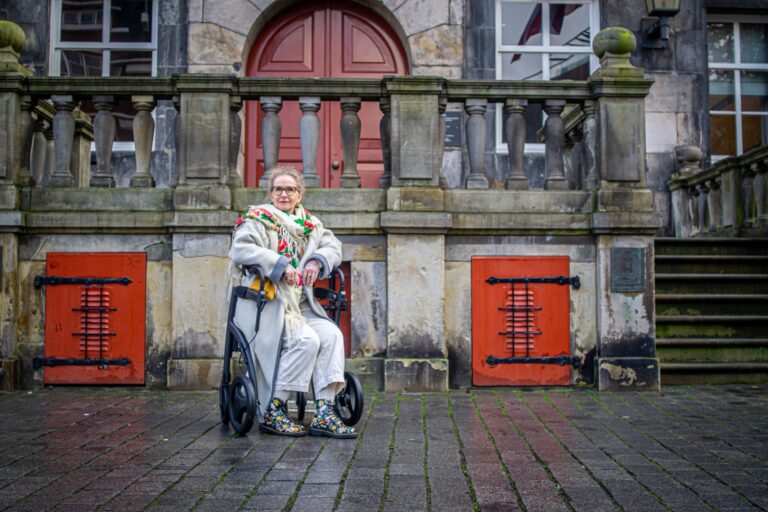
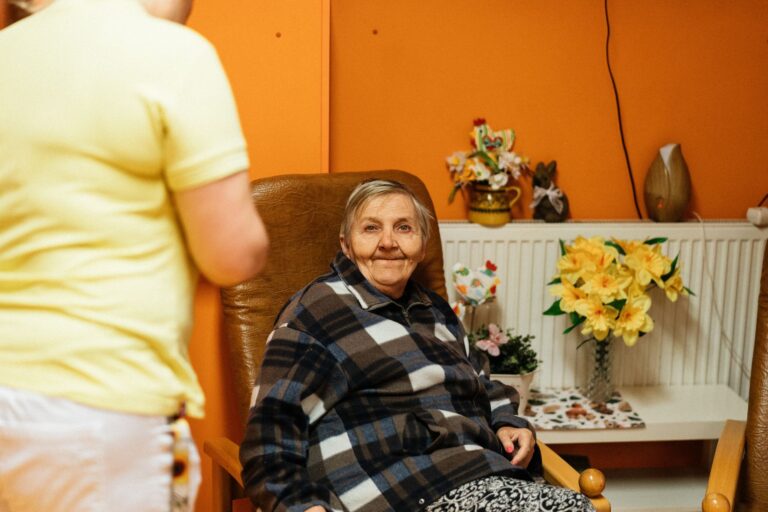
Shuffling gait in dementia means short, dragging steps with feet barely leaving the floor, often with forward lean and little arm swing. Caregivers should treat it as a fall warning and a reason to seek medical review and make the home safer.
According to the Merck Manual Professional Edition description Merck Manual Professional Edition gait guide, this pattern easily catches on rugs or thresholds and causes trips. Walking changes often appear with stiffness, slow movement, and balance problems. Noticing the pattern early helps caregivers prevent injury.
Medical information disclaimer: This article is for general educational purposes only and does not provide medical advice, diagnosis, or treatment. Always consult a physician or other qualified health professional about symptoms, medications, tests, or treatment decisions.
Table of Contents
- What shuffling looks like day to day
- Which dementias most often involve it
- Why falls rise when walking changes
- What caregivers can do next
What shuffling looks like day to day
Steps become short and uneven. Feet scrape or barely lift. The upper body leans forward while arms stay bent and swing less. You may hear scuffing on hard floors.
The person may hesitate at doorways, struggle over thresholds, or grab furniture for balance. Rugs, cords, and wet floors raise trip risk. Watch for change over time. More dragging, slower starts, or more near-falls matter. A short note on dates and falls helps the medical visit.
Which dementias most often involve it
The Merck Manual Consumer Version overview Merck Manual Consumer Version overview links Lewy body dementia with stiffness, slow movement, stooped posture, and shuffling walk, usually after age 60. Vascular dementia is also linked to forward-leaning, parkinsonian gait. Shortened stride also occurs with Parkinson disease, medication effects, and vascular disorders. Alzheimer's disease can impair walking as physical ability declines, with late-stage loss often needing full-time care.
Normal-pressure hydrocephalus can combine dementia, shuffling gait, instability, and incontinence. Mayo Clinic reports it can be mistaken for degenerative dementia. Shuffling alone does not diagnose dementia. Weakness, arthritis, neuropathy, medication effects, fear of falling, and footwear can also cause it. New or worsening shuffling needs medical evaluation.
Why falls rise when walking changes
People with dementia fall about twice as often as cognitively healthy peers. Gait deficits, poor postural control, impaired depth perception, and confusion combine with home hazards. A small rug edge can become a major barrier. Poor lift makes recovery harder.
Forward lean shifts weight ahead of the feet. Low lighting, clutter, and lack of support worsen the risk. Falls can bring fracture, head injury, fear of walking, and faster decline. That is why caregivers should treat repeated scuffing, tripping, or leaning as safety signals. Prompt action matters more than waiting to see.
What caregivers can do next
Ask for an annual CDC STEADI fall screening of gait, strength, and balance. MedlinePlus fall-risk guidance MedlinePlus fall-risk guidance also points to medicine review, home changes, and walking aids. Bring a list of sedating and blood-pressure medicines to review.
Stay close on stairs, curbs, and uneven ground. Allow extra time for starts, turns, and sitting down. Call the clinician promptly for new shuffling, more falls, faintness, confusion change, or leg weakness.
- remove loose rugs and clutter from walking paths
- improve lighting, especially halls, stairs, and bathrooms
- add grab bars where standing and turning happen
- use a walker as advised and nonskid footwear
- keep often-used items within easy reach