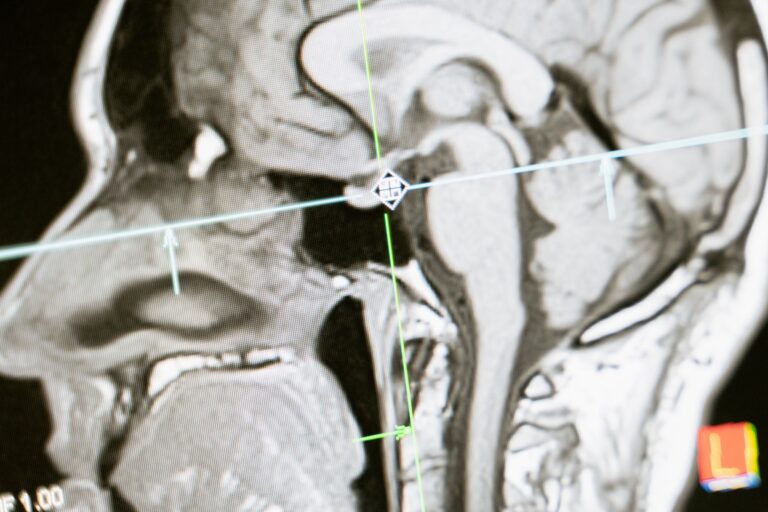
Study shows sits at the center of this dementia and brain health question.
A major Finnish study published in March 2026 has found that hospital-treated infections in older adults are associated with a significantly higher risk of developing dementia later in life. The research, which tracked over 62,000 dementia cases across 21 years, identified that people aged 65 and older who experienced severe infections were 19% more likely to develop late-onset dementia compared to those without such infections. For Mrs.
Chen, a 70-year-old who suffered from a severe urinary tract infection requiring hospitalization, this research suggests that the aggressive treatment she received may offer benefits that extend far beyond treating the infection itself. While the study doesn’t yet prove that treating infections aggressively prevents dementia—researchers are calling for clinical trials to test this hypothesis—it presents compelling evidence that infection management in older adults deserves much closer attention. This article explores what the research reveals, why the timing of these infections appears critical, and what older adults and their care providers can do now.
Table of Contents
- What Does the Finnish Study Actually Show About Infection and Dementia Risk?
- The Hidden Timeline: Why Infections Appear Years Before Dementia Diagnosis
- Which Infections Should Concern Older Adults and Their Caregivers Most?
- Why the Timing of the Finnish Study Matters for Future Research
- Potential Mechanisms: How Could Infections Influence Dementia Risk?
- What Older Adults and Families Can Do Now
- The Road Ahead: From Observation to Clinical Trials
- Conclusion
What Does the Finnish Study Actually Show About Infection and Dementia Risk?
The study, published in PLOS Medicine, analyzed data from Finland’s nationwide health registry system and represents one of the largest investigations into the relationship between infections and dementia. Researchers matched more than 62,000 people who developed dementia with over 312,000 controls—people in the same age group who did not develop dementia—and tracked their medical histories spanning up to 21 years. This registry-based approach provided exceptional statistical power, allowing researchers to identify patterns that might be invisible in smaller studies. The researchers found that hospital-treated infections were associated with a 19% higher risk of developing late-onset dementia in people over 65, meaning someone who experienced a serious infection requiring hospitalization faced a measurably elevated risk compared to their peers.
The study focused on infections serious enough to require hospitalization, not minor infections treated at home. Urinary tract infections (cystitis) and unspecified bacterial infections showed the strongest associations with later dementia risk. This specificity matters because it suggests that the type and severity of infection may influence the relationship—a mild respiratory infection treated with antibiotics at home appears different from a serious bloodstream infection that required hospital admission. The researchers emphasized that this is an observational study showing correlation between infection history and dementia development, not proof that infections directly cause dementia or that treating them aggressively will prevent it.

The Hidden Timeline: Why Infections Appear Years Before Dementia Diagnosis
One of the most striking findings in the Finnish research was the timing: the infections most strongly associated with dementia risk occurred approximately 5 to 6.5 years before the dementia diagnosis. This window is not random or coincidental—it suggests that serious infections may accelerate underlying brain aging processes that eventually manifest as cognitive decline. Think of it like the difference between watching someone age normally and seeing someone age rapidly after a trauma. The brain damage or inflammation triggered by a severe infection might set in motion changes that take several years to become noticeable as dementia symptoms.
However, this timeline also raises an important limitation: we cannot yet know whether treating those early infections more aggressively would have prevented or delayed the dementia diagnosis. The study documents what happened—infections occurred, then dementia developed years later—but it doesn’t prove that different treatment approaches would have changed the outcome. This is precisely why researchers are calling for prospective clinical trials that would actively test whether more aggressive infection prevention and treatment in older adults could actually delay dementia onset. The 5-year window between infection and dementia suggests there may be a therapeutic window, but that window needs rigorous testing.
Which Infections Should Concern Older Adults and Their Caregivers Most?
The Finnish study identified urinary tract infections (utis) and unspecified bacterial infections as showing the strongest associations with later dementia risk. UTIs in older adults are particularly important because they are extremely common—often underdiagnosed or undertreated—yet can become serious quickly if they progress to urosepsis or kidney infection. An older adult might attribute the confusion or behavioral changes caused by a UTI to normal aging rather than recognizing it as a sign of infection. This makes UTIs a clear example of where improved clinical vigilance could matter; a UTI caught and treated early and thoroughly might prevent the progression to a more serious infection that could influence long-term dementia risk.
Other serious bacterial infections associated with increased dementia risk in the study included those requiring hospital admission. Pneumonia, bloodstream infections, and other conditions serious enough to hospitalize someone represent the infections most strongly linked to later cognitive decline. This doesn’t mean every pneumonia or UTI will lead to dementia, but it does suggest that infections in older adults warrant aggressive clinical attention—not just symptomatic relief, but thorough investigation and comprehensive treatment. The distinction is important: aggressive treatment doesn’t mean excessive antibiotics or unnecessary interventions, but rather ensuring that infections are properly identified, fully treated, and appropriately monitored until resolution.

Why the Timing of the Finnish Study Matters for Future Research
The fact that the study tracked individuals for up to 21 years, with infections identified an average of 5 to 6.5 years before dementia diagnosis, provides a crucial proof-of-concept window. If future clinical trials can demonstrate that preventing or aggressively treating infections during this window actually delays dementia onset, it would represent a major intervention strategy—one that doesn’t require developing entirely new drugs or treatments, but rather optimizing how we manage existing medical conditions in older adults. For comparison, current dementia prevention strategies emphasize cognitive engagement, physical activity, and cardiovascular health, all of which are important but cannot be universally applied to every older adult.
Infection management, by contrast, is a more immediately actionable target: when an older adult develops a serious infection, clinical decisions made at that moment could potentially have cognitive implications 5 to 6 years later. This timeline also explains why the researchers stopped short of claiming their study proves aggressive treatment delays dementia. Five to six years is long enough for many other factors to influence cognitive health—cardiovascular events, additional infections, medication changes, lifestyle changes. The study shows association and timing, but proving causation and treatment efficacy requires prospective randomized controlled trials where some older adults receive enhanced infection management and prevention while others receive standard care, with cognitive outcomes tracked over years.
Potential Mechanisms: How Could Infections Influence Dementia Risk?
The biological mechanisms linking serious infections to later dementia risk are not fully understood but have several plausible explanations. One major theory involves neuroinflammation—the infection triggers an inflammatory response in the body, and this systemic inflammation can cross the blood-brain barrier and promote chronic inflammation in the brain itself. Chronic brain inflammation is a hallmark of Alzheimer’s disease and other dementias, so a serious infection that initiates this inflammatory cascade might accelerate underlying brain aging. Another mechanism involves direct bacterial or viral invasion of the brain, though the study focused on infections typically affecting other body systems. Additionally, severe infections can cause temporary delirium and confusion, and some research suggests that delirium episodes in older adults might leave traces of cognitive damage even after the infection resolves.
However, an important caveat is that we do not yet know whether preventing these inflammatory cascades or managing them more aggressively would actually prevent dementia. The biological plausibility is strong—the mechanisms make sense—but plausibility is not proof. Correlation between infection and later dementia could also reflect that people destined to develop dementia have weaker immune systems and therefore are more susceptible to serious infections in the first place. This is a direction-of-causality question that observational studies cannot answer. Only randomized trials where researchers actively intervene in infection management can test whether the intervention actually changes dementia outcomes.

What Older Adults and Families Can Do Now
While awaiting the results of future clinical trials, there are concrete steps that older adults and their care providers can take based on current evidence. First, serious infections should be treated promptly and thoroughly. This means consulting a healthcare provider without delay if symptoms suggest a serious infection—fever, confusion, loss of appetite, difficulty urinating, or signs of respiratory infection in someone over 65. Second, prevention deserves attention: vaccinations (influenza, pneumococcal, COVID-19) can reduce the risk of serious infections, and simple hygiene measures like handwashing and avoiding sick contacts are always relevant. Third, UTIs in older adults warrant careful evaluation because symptoms can be subtle, and untreated infections can progress rapidly.
Many older adults develop UTIs without the typical burning sensation during urination, instead showing confusion, falls, or behavioral changes as the first sign. Mrs. Chen’s experience after her UTI illustrates the practical value: because her infection was caught during a hospital visit and treated aggressively with intravenous antibiotics, bloodwork monitoring, and follow-up testing to confirm complete resolution, she recovered fully without complications. Her family made a note in her medical records about the infection, which her physician can reference when evaluating any future cognitive concerns. This kind of comprehensive infection management—treating the acute infection thoroughly and documenting it for future reference—represents the standard of care that the Finnish study findings might support more strongly.
The Road Ahead: From Observation to Clinical Trials
The Finnish study represents an important observational finding, but the real test will come when clinical researchers design and conduct prospective trials specifically testing whether aggressive infection prevention and treatment delays dementia onset in older adults. These trials will likely focus on high-risk populations—older adults with early cognitive concerns, family histories of dementia, or recurrent infections. Some trials might test targeted prophylactic strategies, while others might test enhanced treatment protocols.
The 5-year timeframe between infection and dementia provides a realistic window for these trials, though researchers may need to follow participants for many years to detect cognitive differences between groups. In the meantime, the Finnish findings serve as a call to action for clinicians and older adults themselves to recognize infections as more than just acute medical events. A serious infection in someone over 65 may have implications that extend years into the future, making thorough initial treatment and prevention of recurrent infections meaningful components of dementia risk reduction. Research funding agencies and institutions are beginning to prioritize this question, and we may see clinical trial protocols within the next year or two testing whether optimized infection management could delay cognitive decline.
Conclusion
The Finnish registry study published in March 2026 provides strong evidence that serious infections in older adults are associated with a significantly elevated risk of developing dementia 5 to 6 years later. While this study does not yet prove that aggressive treatment prevents dementia, it makes a compelling scientific case for why such trials should be conducted. For older adults, families, and healthcare providers, the research underscores that infection management in later life deserves serious clinical attention—not just for treating immediate symptoms, but for potential long-term cognitive health.
Prompt diagnosis, thorough treatment, appropriate prevention through vaccination, and careful follow-up when infections occur represent practical steps aligned with this emerging evidence. As we await results from prospective clinical trials that will test whether enhanced infection prevention and treatment actually delay dementia onset, the best approach is to treat serious infections in older adults with the full arsenal of modern medicine—recognizing that decisions made during an acute infection might have cognitive implications years later. For anyone caring for an older adult, vigilance about subtle signs of infection, rapid medical evaluation, and comprehensive treatment remain the evidence-based standard.
You Might Also Like
- Why Treating UTIs Early Could Be One of the Simplest Ways to Lower Your Dementia Risk
- Study Finds UTIs Could Trigger Dementia Just a Few Years Later and Doctors Are Sounding the Alarm
- Why Recurring UTIs in Older Adults Should Be Treated as a Dementia Risk Factor
For more, see Alzheimer’s Association — medical tests.