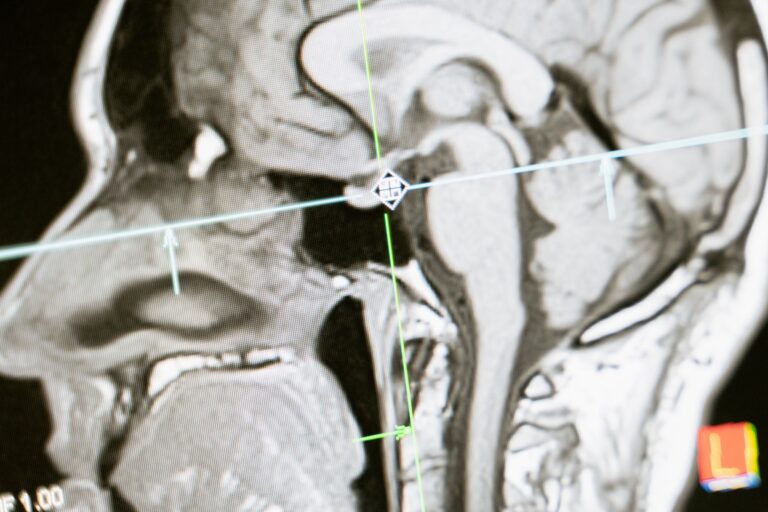
Treating utis sits at the center of this dementia and brain health question.
Treating urinary tract infections early in people with dementia can dramatically lower the risk of permanent cognitive decline and death—because delirium triggered by a UTI is often reversible when caught and treated quickly. Consider the case of an 78-year-old man living with Alzheimer’s disease whose family noticed sudden confusion and agitation over a two-day period. A UTI was diagnosed and antibiotics were started immediately.
Within 24 to 48 hours of treatment, his cognitive clarity returned to baseline. Without that prompt intervention, that same infection—left untreated—carries a mortality rate of 5.4% in people with dementia and can trigger lasting brain changes that accelerate cognitive decline. The connection between UTIs and dementia risk is direct, measurable, and surprisingly modifiable through early detection and treatment. This article explores why UTIs pose such a specific threat to cognitive health, why they’re so easy to miss in people with dementia, what the latest research shows about outcomes, and what caregivers and family members need to know to protect brain health.
Table of Contents
- How Do UTIs Actually Increase the Risk of Dementia?
- The Inflammatory Mechanism: How a UTI Reaches the Brain
- Why Are UTIs So Hard to Detect in People with Dementia?
- What to Do When You Suspect a UTI in Someone with Dementia
- Complications of Missing or Delaying UTI Treatment
- Can UTI Prevention Strategies Protect Brain Health?
- The Bigger Picture—UTI Prevention as Dementia Care Strategy
- Conclusion
How Do UTIs Actually Increase the Risk of Dementia?
The link between urinary tract infections and dementia risk operates through multiple pathways. For people who already have dementia, a UTI can trigger acute delirium—a state of severe confusion that develops rapidly, sometimes within 1 to 2 days in patients with Alzheimer’s disease. This isn’t just discomfort or inconvenience; it’s a medical crisis that mimics sudden worsening of the underlying dementia. But the damage doesn’t always reverse completely. Long-term research shows that delirium triggered by a UTI increases the risk of developing dementia by approximately threefold in people who don’t yet have cognitive decline, and repeated episodes further raise that risk.
For those already living with dementia, an untreated UTI carries a hazard ratio of 2.18—meaning the risk of adverse outcomes is more than twice as high. That risk jumps to 2.83 for people with both dementia and diabetes. The mortality data underscores the severity. Of people living with dementia who had an untreated UTI diagnosed by a general practitioner, 5.4% died within 60 days. For those with both dementia and diabetes, the mortality rate climbed to 5.9%. Even for people without dementia, hospitalization for a UTI is associated with at least a 1.4-fold higher risk of developing dementia later, suggesting that the infection itself—not just its complications—carries long-lasting consequences for brain health.

The Inflammatory Mechanism: How a UTI Reaches the Brain
utis damage the brain through inflammation. When bacteria infect the urinary tract, the body triggers a systemic inflammatory response. In people with dementia, this inflammation is particularly dangerous because it disrupts the blood-brain barrier—the selective membrane that protects the brain from harmful substances. Once the blood-brain barrier is compromised, inflammatory molecules cross into the brain tissue itself, causing neuro-inflammation that disrupts normal cognitive function.
This inflammatory cascade can accelerate the underlying dementia process, not just cause temporary confusion. What makes this especially concerning is the speed of cognitive change. Delirium from a UTI can develop in as little as 1 to 2 days in patients with Alzheimer’s disease, meaning a person can shift from baseline function to severe confusion remarkably quickly. However, there’s a crucial window of opportunity: prompt recognition and antibiotic treatment often clears cognitive symptoms within a day or two of starting medication, suggesting that much of the acute damage is reversible if caught early. The longer the infection goes untreated, the higher the risk that some of the neurological damage becomes permanent or that severe secondary complications like sepsis take hold.
Why Are UTIs So Hard to Detect in People with Dementia?
One of the cruelest aspects of the UTI-dementia connection is the diagnostic blindness it creates. People with dementia often cannot clearly express urinary symptoms—the burning sensation during urination, urgency, or frequency that would alert a healthy person or family member. Instead, a UTI might present only as agitation, confusion, or behavioral changes. Research shows that patients with Alzheimer’s disease and related dementias have a notably lower prevalence of reported genitourinary symptoms despite having a confirmed UTI diagnosis, meaning they’re experiencing the infection but can’t communicate the typical warning signs.
This creates a vicious cycle: the person with dementia can’t say “it hurts when I urinate,” so family members and caregivers might interpret the sudden confusion as disease progression rather than a treatable infection. Days or weeks pass before someone recognizes the UTI, by which time complications have already begun. Patients with Alzheimer’s disease are also particularly susceptible to developing UTIs compared to the general population, making this diagnostic challenge even more consequential. The solution lies not in waiting for typical symptoms, but in recognizing behavioral and cognitive changes as potential red flags.

What to Do When You Suspect a UTI in Someone with Dementia
If someone in your care with dementia shows a sudden change in mental status—unusual agitation, confusion beyond their baseline, withdrawal, or new incontinence—a UTI should be one of the first things to rule out. This means requesting a urinalysis from a doctor, even if the person hasn’t complained of urinary symptoms. A quick test can confirm or exclude a UTI, and if positive, a course of antibiotics can reverse the cognitive changes within days.
The tradeoff is that taking someone for a doctor’s visit involves effort and logistics that busy families might put off, but given the stakes—mortality risk, permanent cognitive decline, hospitalizations—it’s a disproportionately high-value investment. Document what you’re observing: the timeline (when did the change start?), specific behaviors (more confused? more agitated? refusing food?), and any functional changes (stopped dressing himself, new incontinence, falling). This information helps a doctor quickly recognize a UTI as the cause rather than attributing everything to progressing dementia. Starting treatment early means the difference between a 1-2 day recovery and a lengthy hospitalization or permanent cognitive setback.
Complications of Missing or Delaying UTI Treatment
An untreated UTI doesn’t simply cause delirium and then resolve on its own. The infection can spread to the kidneys, causing pyelonephritis, and from there to the bloodstream, leading to sepsis—a life-threatening inflammatory cascade. Untreated UTIs can also cause permanent bladder damage and kidney damage. In people with dementia, these complications are more likely to be fatal because cognitive impairment makes it harder to communicate pain, request help, or understand treatment instructions during an acute crisis.
There’s also a psychological and social cost. Recurrent or chronic UTIs in people with dementia often lead to behavioral problems, depression, and increased falls. Some families resort to managing incontinence with diapers or catheters, which creates a new set of infection risks. Alternatively, some facilities over-prescribe antibiotics in response to frequent UTIs, contributing to antibiotic resistance. The preventive approach—catching UTIs early, treating them promptly—avoids this downward spiral and protects both the individual and broader public health.

Can UTI Prevention Strategies Protect Brain Health?
While treating UTIs promptly is critical, preventing them in the first place is equally important. For people with dementia, preventive strategies include ensuring adequate hydration (UTIs thrive in concentrated urine), promoting regular bathroom breaks, and maintaining good hygiene. Cranberry supplements have shown modest evidence in some studies, though results are mixed.
Catheter care is essential if someone is catheterized, as catheters themselves are a major UTI risk factor. For women, post-menopausal vaginal atrophy increases UTI risk, and topical estrogen can help. Some people benefit from regular screening urinalyses even without symptoms, though this is most useful for those with a history of recurrent UTIs. The key is consistency and attention: UTI prevention in dementia care is unglamorous work, but it may be one of the most effective ways to protect cognitive function.
The Bigger Picture—UTI Prevention as Dementia Care Strategy
The UTI-dementia connection reveals something important about dementia care: much of the cognitive decline people experience isn’t inevitable disease progression, but rather reversible complications from treatable infections. This shifts the focus from accepting decline as unchangeable to actively managing preventable health threats.
As research continues, we’re learning that infections, falls, medication side effects, and other medical factors account for a significant portion of the behavioral and cognitive changes families observe, many of which can be addressed. The hope is that increased awareness among caregivers, families, and healthcare providers will shift the conversation from “that’s just the dementia progressing” to “let’s check for a UTI.” Early treatment, when viewed through this lens, isn’t just about managing an uncomfortable infection—it’s about preserving cognitive function and potentially changing the entire trajectory of someone’s later years.
Conclusion
Treating urinary tract infections early is genuinely one of the simplest and most effective ways to lower dementia risk and protect brain health. UTIs trigger inflammation that disrupts the blood-brain barrier, can cause rapid cognitive decline, and carry significant mortality risk if left untreated—but most of the damage is reversible with prompt antibiotic treatment. The challenge is recognition: people with dementia often can’t articulate urinary symptoms, so behavioral or cognitive changes become the diagnostic clue.
If you’re caring for someone with dementia, treat sudden confusion, agitation, or behavioral changes as potential UTI symptoms until proven otherwise. A quick doctor’s visit and urinalysis can confirm or exclude the diagnosis, and early treatment means the difference between a day or two of antibiotics and recovery versus weeks of hospitalization, permanent cognitive damage, or worse. In this case, the simplest intervention—catching and treating an infection early—may be one of the most powerful tools available for protecting long-term brain health.
You Might Also Like
- The $50 Blood Test That Could Tell You Your Dementia Risk Decades in Advance
- Study Finds UTIs Could Trigger Dementia Just a Few Years Later and Doctors Are Sounding the Alarm
- How a $75 Blood Panel Could Replace Expensive Brain Scans for Early Dementia Detection
For more, see Alzheimer’s Association — clinical trials.