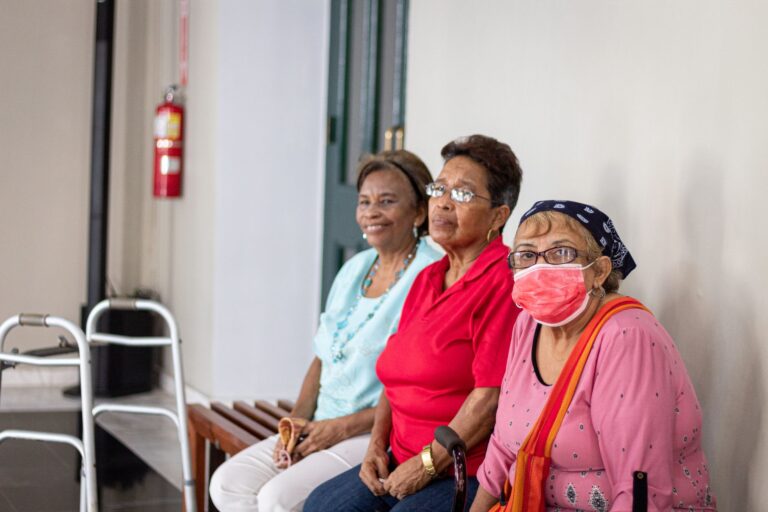
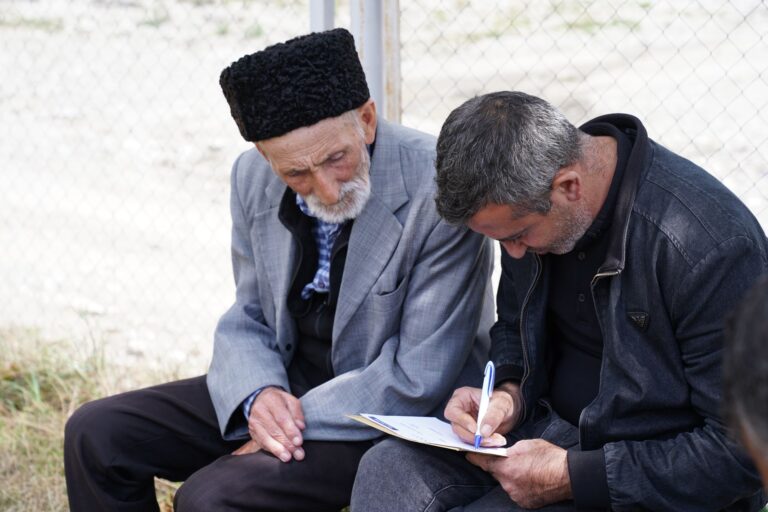
Strengths-based dementia care means building daily care around what the person can still do and the relationships that sustain them. In the 2026 National Institute on Aging summit report, it is a research priority, and working caregivers can use it to question local programs. The report grew from a virtual summit held March 17-19 with researchers, people living with dementia, care partners, clinicians, and community groups, according to federal agency written updates. It names research gaps and priorities rather than one best treatment or care model.
Medical information disclaimer: This article is for general educational purposes only and does not provide medical advice, diagnosis, or treatment. Always consult a physician or other qualified health professional about symptoms, medications, tests, or treatment decisions.
Table of Contents
- What does strengths-based care look like?
- Why does this matter for working caregivers?
- What should you ask about daily life and staffing?
- How can you cover work hours?
What does strengths-based care look like?
Strengths-based care preserves personhood and relationship quality. It asks staff to notice abilities, habits, humor, skills, and valued roles. In practice, a program might shape activities around cooking, music, gardening, faith, language, or long-held routines. It might also protect time with a spouse, friend, or trusted aide.
Families can ask how those abilities and ties appear in the written care plan. The point is fit, not cheerfulness. A program that only lists deficits will struggle to keep days calm and meaningful. According to the ComForCare summary of the summit report, families can ask directly how a program builds on abilities and relationships.
Why does this matter for working caregivers?
Care and job hours often collide. A 2023 survey of 1,200 employed caregivers at large U.S. firms found 67% struggled to balance jobs with caregiving and 27% cut hours or moved part-time, according to the AARP-S&P Global release carried in the TMCNet press-release copy. Federal time-use data show the scale.
About 38.2 million Americans gave unpaid eldercare in 2023-2024, with 28% active on a given day for an average of 3.9 hours. Employed providers were less likely to give care on a given day than non-employed providers. For workers, strengths-based care is also coverage care. A plan that uses retained skills can reduce calls home, late arrivals, and midday crises. Ask whether the schedule holds steady across mornings, evenings, and staff changes.
What should you ask about daily life and staffing?
Start with a typical day. The National Institute on Aging advises families to ask about daily routines, safe outdoor space, transport to appointments, staffing levels, and dementia training and turnover, described in the mirrored NIA long-term-care guide.
Also ask about team coordination. Collaborative models that join medical and psychosocial care have stronger evidence, as does the REACH caregiver intervention. Ask whether a nurse, social worker, doctor, and family contact review the plan together.
- What does a normal Tuesday look like for someone with my parent's abilities?
- Who stays with them outdoors, during meals, and during appointments?
- How many staff cover nights, weekends, and sick days?
- What dementia training do aides have, and how often do they leave?
How can you cover work hours?
Name your hours first, then test options. Respite can be in-home help, adult-day enrollment, or overnight residential care.
California's aging agency notes adult day programs assist working caregivers with 4-8 hour days and some extended hours. Summit coverage notes data silos and access barriers remain, so treat the 2026 report as a research agenda. Bring your exact work schedule and ask for hours, staffing, and costs in writing.
- Which hours are guaranteed, and what fills gaps and holidays?
- How are transport, meals, medicines, and behavior changes handled?
- What is the weekly cost, what changes the rate, and what notice ends it?
- Who is the backup if a worker or driver cancels?
You Might Also Like
- Early Dementia Diagnosis Economics in the 2026 NIA Report: Questions Working Dementia Caregivers Can Ask Local Care Programs
- Culturally Responsive Caregiver Support in the 2026 NIA Report: Questions Working Dementia Caregivers Can Ask Local Care Programs
- Community-Academic Dementia Partnerships in the 2026 NIA Report: Questions Working Dementia Caregivers Can Ask Local Care Programs