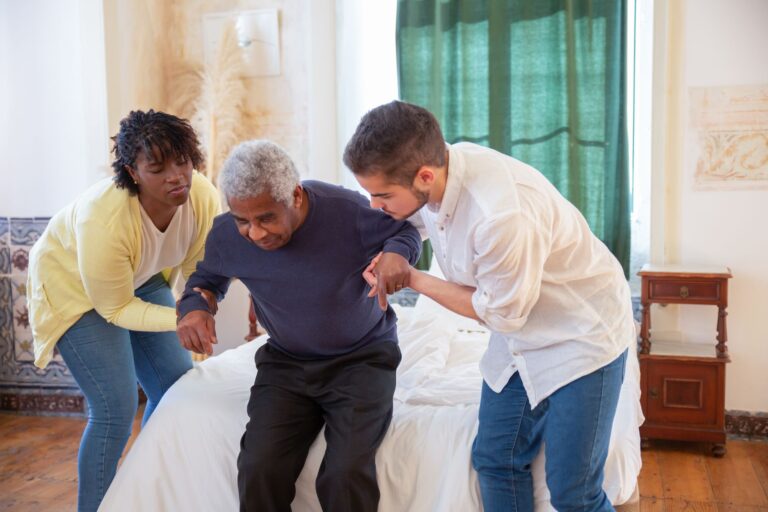
Strengths-based dementia care means planning with the person living with dementia, not only for them, to protect identity and relationships. Long-distance caregivers can use that idea to ask local programs how they include family input, abilities, and preferences in daily care.
ComForCare, summarizing NIA, describes this priority as preserving personhood and relationship quality by involving the person and care partner in planning, explained in ComForCare's summary of the NIA report. For families living apart, the practical question is direct. Does the local program learn what still works, who the person is, and how distant family stays involved.
Medical information disclaimer: This article is for general educational purposes only and does not provide medical advice, diagnosis, or treatment. Always consult a physician or other qualified health professional about symptoms, medications, tests, or treatment decisions.
Table of Contents
- What does strengths-based care look like day to day?
- Why should families stay realistic about evidence?
- What can long-distance caregivers ask local programs?
- How can distant families divide the work?
- Does outside navigation or respite help?
What does strengths-based care look like day to day?
A strengths-based program starts with abilities, routines, interests, and relationships. It then builds support around those assets. Care plans name what the person can do, what matters to them, and what help should avoid taking over. In practice, this shows up in small choices. Staff offer familiar foods, music, work roles, or daily rituals.
They adjust tasks so the person participates safely. They record preferences and update the plan after changes in health, mood, or home life. Families can look for shared planning rather than one-way instructions. The person living with dementia and the main care partner help set goals. Visits and calls focus on comfort, connection, and continuity, not only symptoms and deficits.
Why should families stay realistic about evidence?
Dementia care research includes many promising programs and few proven standbys. An independent AHRQ review found only two approaches with low-strength evidence of benefit, collaborative medical-psychosocial care models and REACH II caregiver support, as reported by the Regenstrief Institute in its April 2021 research release. That finding encourages careful questions. Low-strength evidence does not mean a program has no value. It means effects were small, uncertain, or hard to repeat across settings.
Families should ask what outcome a service aims to change. Examples include daily function, mood, safety, caregiver strain, or hospital visits. Programs should explain how they track those outcomes. Ask how often they review the plan, what signals prompt a change, and what happens when a strategy fails. Clear answers matter more than broad promises.
What can long-distance caregivers ask local programs?
Distance caregiving often means managing money, appointments, information, and emotional support from another city or state. Morrison Communities, citing NIA, describes long-distance caregivers as family members helping across that gap, detailed in its guide to providing long-distance caregiving. Use that role to press for concrete coordination.
Ask for one written plan with names, dates, and next review. Request remote access to meetings when travel is impossible. If a program cannot describe family communication, consider that a warning sign.
- How will you include the person with dementia and our family in care planning.
- What abilities, habits, and relationships will staff support each week.
- Who is our contact, how do we reach that person remotely, and how fast do you respond.
- How do you share visit notes, medication changes, and safety concerns with distant family.
- What respite, education, and crisis support come with the program.
How can distant families divide the work?
One person cannot cover every task from afar. Morrison Communities, citing NIA, advises families to divide duties by strengths such as numbers, research, medical liaison, and coordination, also described in its guide to providing long-distance caregiving. That division reduces conflict and missed tasks. A sibling good with numbers can track bills, benefits, and paid hours. A careful researcher can compare local services and check eligibility rules.
A calm communicator can join medical calls and keep notes in one shared file. A coordinator can schedule visits, refills, repairs, and respite coverage. Families should also weigh travel costs, work demands, and home strain before promising frequent trips. Short planned visits work best with a clear task list. Between visits, steady calls, written updates, and one decision record keep care consistent.
Does outside navigation or respite help?
Some families may have access to added coordination through Medicare. CMS says its GUIDE Model offers a navigator, round-the-clock access, education, and up to 2,500 dollars in yearly respite, described in CMS's GUIDE Model page. Eligibility is narrow and the model is a pilot.
CMS limits GUIDE to Traditional Medicare Part A and B beneficiaries with confirmed dementia who live in the community. The program began July 1, 2024 with 390 participating programs and is scheduled to end June 30, 2032. Ask a local program whether it takes part, what navigation includes, and how respite is arranged.
You Might Also Like
- The NIA 2026 Dementia Care and Caregiving Summit Report: Questions Long-Distance Caregivers Can Ask Local Care Programs
- Culturally Responsive Caregiver Support in the 2026 NIA Report: Questions Long-Distance Caregivers Can Ask Local Care Programs
- Early Dementia Detection Across Care Settings in the 2026 NIA Report: What the Report Means for Long-Distance Caregivers