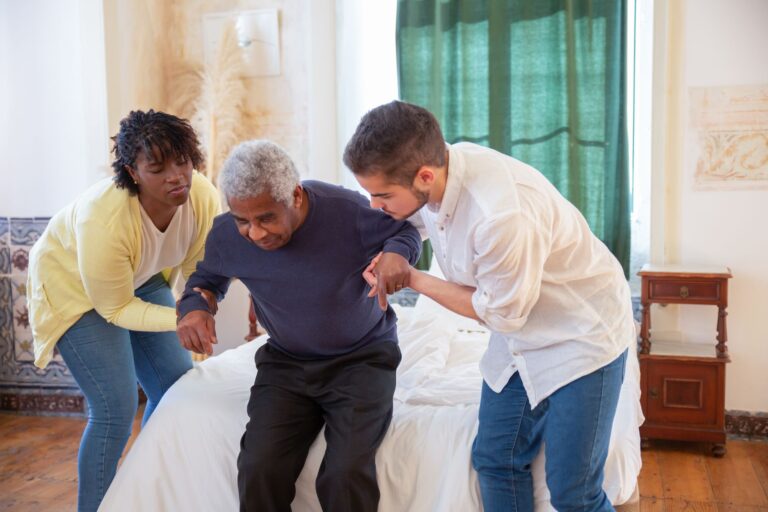
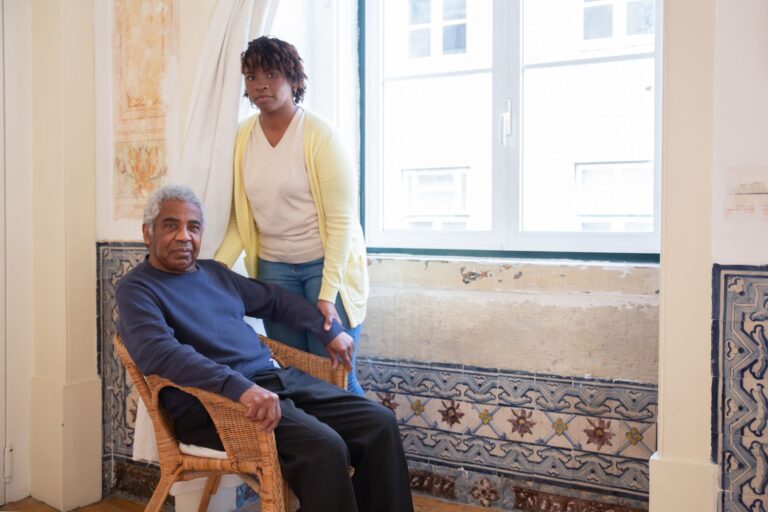
The 2026 NIA dementia care report gives no single treatment for dementia with multiple etiologies and maps research gaps instead. Dementia with multiple etiologies means decline from two or more brain diseases, as described in the BMJ Best Practice criteria BMJ Best Practice criteria.
For adult children, the practical issue is planning for more than one driver. The ComForCare summary of the NIA report says the report recommends no single care model and sets priorities to shape future care ComForCare summary of the NIA report. That focus helps families seek staged support rather than wait for one fix.
Medical information disclaimer: This article is for general educational purposes only and does not provide medical advice, diagnosis, or treatment. Always consult a physician or other qualified health professional about symptoms, medications, tests, or treatment decisions.
Table of Contents
- Why mixed causes change the outlook
- Why the report points to gaps, not answers
- How CLARiTI will map mixed causes
- What adult children can ask now
Why mixed causes change the outlook
When more than one disease contributes, decline rarely follows one path. Effects can combine, so needs can shift sooner than expected. A plan built around one cause can miss the next change.
This matters for daily decisions about safety, supervision, and support. Families often need broader help even when one diagnosis leads the chart. Flexibility protects both the parent and the caregiver.
Why the report points to gaps, not answers
The report does not settle which mix matters most for each person. It flags where tests, prognosis, and care models fall short. That gap is the reason adult children face uncertain timelines.
Uncertainty does not mean nothing can be done. It means choices should rest on what was actually tested. Clear records reduce repeat tests and conflicting advice.
How CLARiTI will map mixed causes
The NIA-sponsored CLARiTI study spans all 37 U.S. Alzheimer's Disease Research Centers and will enroll 2,000 participants with imaging plus blood biomarkers to build etiologic profiles of mixed dementia, according to the Lantheus Holdings press release Lantheus Holdings press release.
The design pairs brain imaging with blood measures across centers. The goal is a clearer profile of which causes coexist in each person. Better profiles could guide prognosis and future care studies.
What adult children can ask now
Biology can now define Alzheimer changes even without symptoms, so families need to know what was tested. Frontiers in Aging Neuroscience explains that 2024 criteria use core biomarkers such as amyloid PET, CSF Abeta42/40 and plasma p-tau217, and advises asking which pathologies were checked and how mixed causes shape care Frontiers in Aging Neuroscience article.
Bring these questions to the visit: Write the answers down and share them with everyone giving care. Bring the list of tested causes and support needs to each visit.
- Which brain pathologies were tested in my parent, and which were not
- How the mixed causes affect prognosis and near-term risks
- What staged care and caregiver support fit each stage
You Might Also Like
- Safety Questions After the 2026 LiBBY Dementia Trial: Study Design and Evidence Limits for Adult Children
- Why the AAIC 2026 Soccer Study Does Not Prove Dementia: Study Design and Evidence Limits for Adult Children
- Repetitive Heading and Brain Health Findings at AAIC 2026: Study Design and Evidence Limits for Adult Children