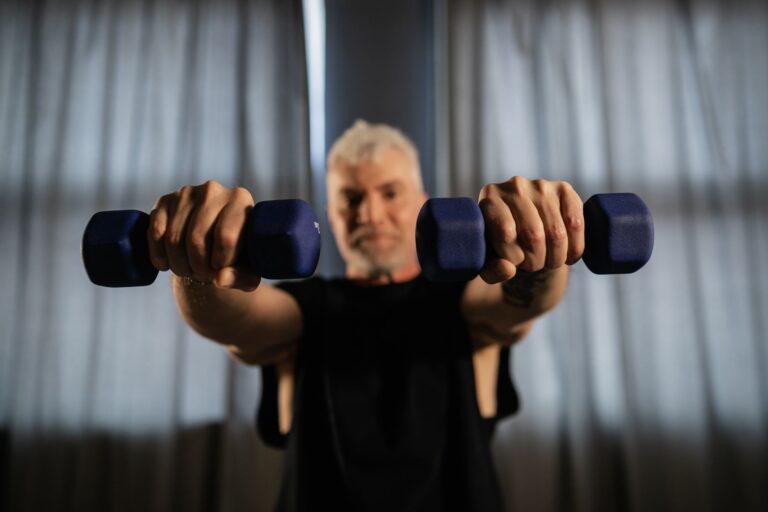
Step-by-step simple strength exercises for one-on-one dementia care mean doing short, supervised moves together twice a week. You guide sit-to-stands, heel and toe raises, and supported balance practice at the person's pace. Strength exercise means working muscles against resistance to stay able to do daily tasks. Dementia care means adjusting cues, support, and setting so each move stays safe and calm.
Medical information disclaimer: This article is for general educational purposes only and does not provide medical advice, diagnosis, or treatment. Always consult a physician or other qualified health professional about symptoms, medications, tests, or treatment decisions.
Table of Contents
- How do you set up a safe session?
- What standing moves build leg strength?
- What works for limited mobility?
- How do you match the workout to the person?
How do you set up a safe session?
Exercise with the person, not beside them. Caregivers and health professionals should always exercise with the person with Alzheimer's or dementia, combining aerobic activity with strength training, according to the Alzheimer's exercise prescription from Exercise is Medicine. Use a sturdy chair or wall, supportive shoes, and clear floor space. Get medical clearance first.
Stop for chest pain, dizziness, or severe discomfort. Keep cues short and visual. Show one step, do it together, then repeat. Aim for good posture, steady breathing, and toes under knees during standing work.
What standing moves build leg strength?
Start with sit-to-stand from a sturdy chair. Feet flat and hip-width apart, lean slightly forward, push through heels, stand tall, then sit slowly. Repeat about 10 times if form stays good. Add heel raises and toe raises at the chair back or wall.
Lift heels high, lower slowly, then lift toes toward shins. NHS physiotherapists include these plus a 10-second supported single-leg stand as simple supervised strength steps for dementia care, described in their dementia-friendly exercise guide. Finish with balance practice such as standing on one foot with support. Older adults need muscle-strengthening on at least two days weekly for all major muscle groups, plus balance activity, according to the CDC older-adult guidelines.
- Hold the chair, stand tall, lift heels, pause, lower.
- Hold the chair, lift toes, pause, lower.
- Hold the chair, lift one foot slightly, hold 10 seconds, switch.
What works for limited mobility?
Sit upright, away from the chair back if possible. Do seated marches by lifting one knee, then the other. Add slow leg lifts, pressing through the heel and lowering with control. Add arm curls with light weights, bands, or soup cans.
Keep elbows close to the body. Lift, squeeze gently at the top, then lower slowly. From a bed edge, try small hip shuffles with help nearby. Do seated or supported work at least twice weekly to still build strength.
How do you match the workout to the person?
Choose activities both people enjoy and match to disease stage and ability. Caregiving activity alone is not structured exercise, so set a clear time, place, and short routine. Muscle-strengthening helps older adults stay independent for daily tasks such as rising from a chair, climbing stairs, and carrying groceries by preserving muscle and bone.
Use that goal to pick two or three moves that support daily life. For falls risk, keep every strength and balance move closely supervised. Keep a hand near the chair, allow rest, and end before fatigue harms form.