Simple strength exercises for one-on-one dementia care are brief supported moves done with a caregiver twice each week. Setup needs a clear space, sturdy support, and a few light supplies. One-on-one means the caregiver stays beside the person, coaches each move, and watches for fatigue or confusion. Safety is the priority, so sessions stay calm, steady, and supervised.
Medical information disclaimer: This article is for general educational purposes only and does not provide medical advice, diagnosis, or treatment. Always consult a physician or other qualified health professional about symptoms, medications, tests, or treatment decisions.
Table of Contents
- How often should sessions happen?
- What space and supplies do you need?
- Which simple moves fit one-on-one care?
- How do you keep each rep safe?
How often should sessions happen?
The CDC says adults 65 and older need muscle-strengthening activities on at least 2 days weekly plus aerobic and balance activities, described in the CDC older-adult activity guidelines. That makes twice-weekly strength the anchor for one-on-one dementia sessions. Other days can include walking or balance practice when appropriate.
Keep sessions short and predictable. Use the same days, same order, and same chair to reduce confusion. Stop early if fatigue grows.
What space and supplies do you need?
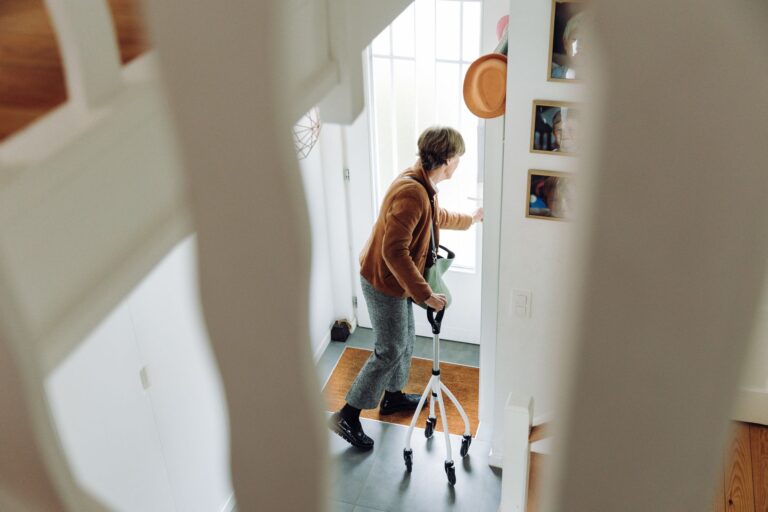
Pick a spot near a sturdy wall or heavy furniture to grab. Clear cords, loose rugs, and clutter from the path.
Both people wear nonskid rubber-soled shoes. Gather a few basic items before you start: Place the chair on a flat surface with room to stand. Keep water, shoes, and supports within reach.
- sturdy stable chair, preferably with arms, that will not tip or roll
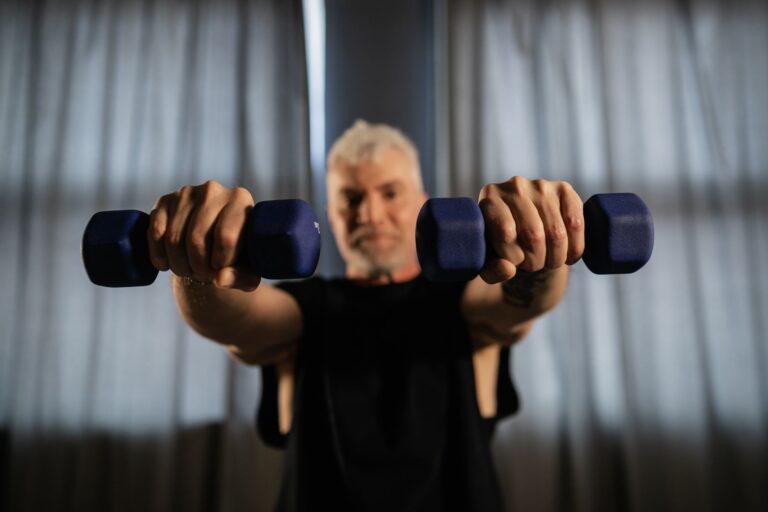
- two equally weighted light objects, such as water bottles or hand weights
- resistance band and small ball, such as a tennis ball
- wall or sturdy upright surface for support
Which simple moves fit one-on-one care?
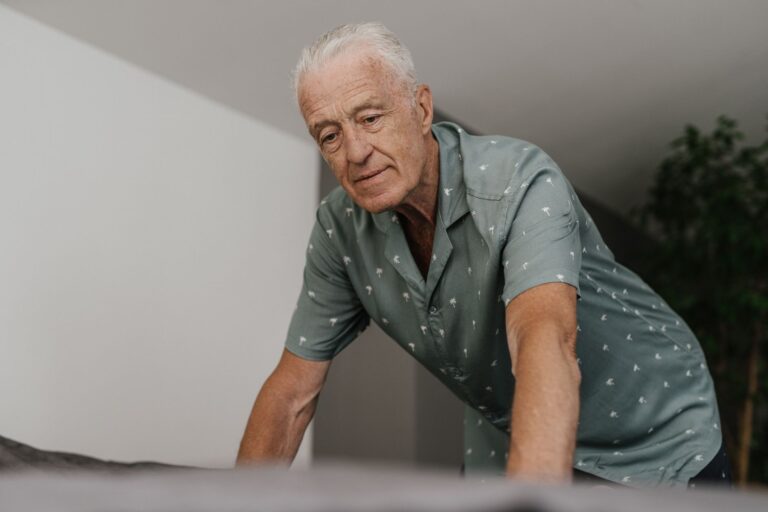
For legs, practice sit-to-stand chair stands, seated marches and leg lifts, and calf and toe stands while holding support. The caregiver guards balance, gives one cue at a time, and allows rest between efforts. Seated work suits limited stamina, while supported stands build leg strength for transfers.
For arms and posture, try wall push-ups, arm curls with light objects, and seated rows with a band. Move slowly, switch sides evenly, and watch form closely. Choose only moves the person can do without pain or jerking.
How do you keep each rep safe?
The National Institute on Aging explains that older adults should breathe out during effort and breathe in while relaxing and never hold their breath, detailed in the NIA guidance on the three types of exercise. Use smooth steady lifts without jerking, keep joints slightly bent, and avoid locking them straight. The caregiver counts aloud and models the breathing rhythm. The American College of Sports Medicine states that safety is the priority and caregivers or health professionals should always exercise with the person, noted in the ACSM Exercise is Medicine Alzheimer's handout.
Stop if the person feels lightheaded or reports pain. People with dementia may show pain only by grimacing, guarding, or refusing to continue. Check with the person's clinician before starting, especially if medications cause dizziness or fatigue worsens. Do not exercise alone without supervision and identification.