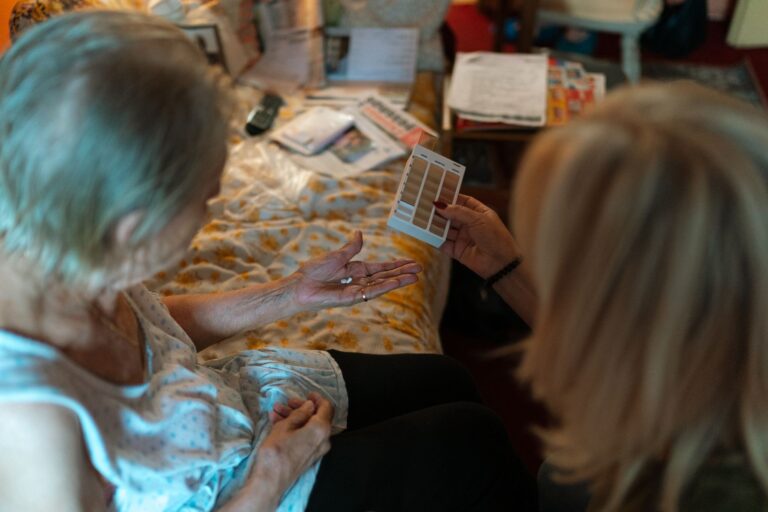
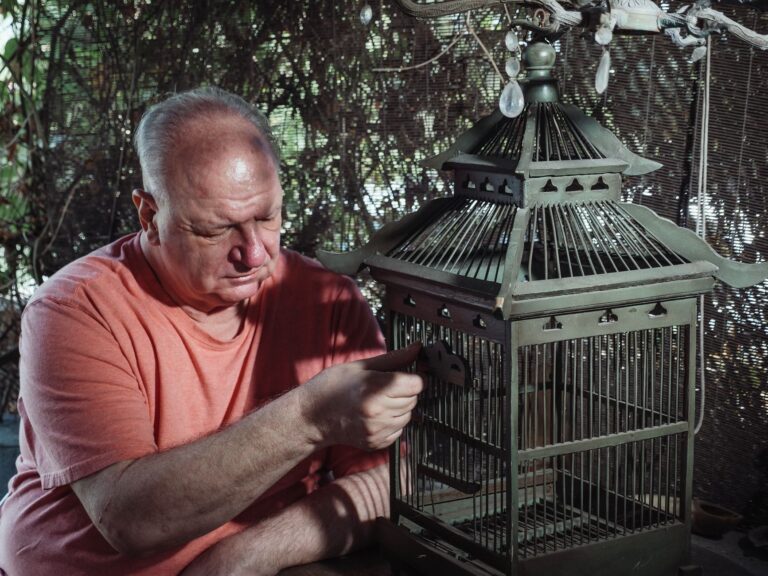
Spiritual activities can provide meaningful comfort and quality of life for people living with dementia, offering moments of connection and peace even as cognitive abilities decline. For families navigating dementia care, integrating spiritual practices—whether through prayer, music, nature, or religious ritual—creates opportunities for engagement that can reduce agitation, provide emotional comfort, and sometimes access long-term memories that dementia hasn’t erased. A person who no longer remembers their grandchild’s name may still recall the hymns from their childhood church or respond to familiar prayers with unexpected clarity and calm.
The effectiveness of these activities stems from how dementia affects the brain selectively. While short-term memory and reasoning deteriorate, the parts of the brain associated with emotion, music recognition, and spiritual memory often remain accessible longer. This neurological reality means that spiritual activities aren’t just comforting—they can be among the most effective tools families have for meaningful connection and behavioral management as the disease progresses.
Table of Contents
- Why Spirituality Matters More in Dementia Care Than Most Families Expect
- How Dementia Changes Spiritual Engagement—And Why You Can’t Simply Continue Old Patterns
- Music, Prayer, and Ritual as Bridges to Connection
- Creating a Spiritual Care Plan That Actually Works for Your Situation
- Behavioral Challenges and When Spiritual Care Doesn’t Work the Way You Hope
- Involving Clergy and Spiritual Care Specialists
- Practical Spiritual Activities That Consistently Engage People with Dementia
Why Spirituality Matters More in Dementia Care Than Most Families Expect
Many families underestimate how much spiritual practices continue to resonate with someone who has dementia. Research in geriatric care consistently shows that people with dementia who engage in regular spiritual activities experience lower rates of depression, anxiety, and behavioral disturbances like agitation or aggression. A study published in the journal Dementia found that structured spiritual activities reduced behavioral and psychological symptoms in up to 60% of participants, an effect comparable to some pharmaceutical interventions but without the side effects. The reason is neurological rather than merely psychological. Spiritual practices engage multiple sensory pathways simultaneously—music activates auditory processing, prayer involves rhythm and familiar language patterns, religious ritual provides visual and kinesthetic memory cues.
Someone with moderate dementia who cannot follow a conversation may still participate fully in a familiar religious service because the ritual itself provides the structure their damaged short-term memory cannot. This is different from asking them to remember facts or follow new instructions, which causes frustration and withdrawal. Families often report that their relative’s personality seems to return during spiritual activities. A formerly withdrawn person becomes engaged. Someone who was resistant to care becomes cooperative. This isn’t magical thinking—it reflects how deeply spiritual identity is embedded in human memory and emotion, surviving longer than other forms of cognition.
How Dementia Changes Spiritual Engagement—And Why You Can’t Simply Continue Old Patterns
While spiritual memory is more resilient than factual memory, dementia still disrupts how people engage with faith. Someone may remember they are Catholic but forget which prayers to say. They might attend church but become confused or anxious about the unfamiliar building, even if they attended for decades. A person who found deep meaning in Bible study may no longer be able to read or follow complex theological concepts. Families who assume “let’s just keep doing what we’ve always done” often encounter confusion and distress instead. The practical challenge is that dementia alters attention span, sensory processing, and emotional regulation. A 90-minute church service becomes overwhelming.
Dim lighting in a cathedral can trigger confusion rather than reverence. A large congregation becomes a source of anxiety rather than community. Families need to adapt spiritual practices to match the person’s current cognitive and emotional capacity, not cling to pre-dementia routines. This adaptation is not a failure or diminishment of faith—it’s respectful recognition of what the person can actually experience now. Additionally, dementia can amplify spiritual distress. Someone struggling with questions about suffering, God’s presence, or mortality may not have the cognitive resources to work through these concerns. Unresolved religious guilt, fear about the afterlife, or anger at God can become more prominent and harder to address as the disease progresses. Families sometimes miss this dimension of suffering because they’re focused on behavioral management, but chaplains and counselors trained in dementia care report that spiritual suffering is common and often treatable through adapted spiritual care.
Music, Prayer, and Ritual as Bridges to Connection
Music is perhaps the most documented and reliable spiritual intervention in dementia care. Multiple studies show that familiar hymns and religious songs reach people with advanced dementia who have lost the ability to speak or recognize family members. Music bypasses the damaged short-term memory systems and accesses emotional memory directly. A woman with advanced Alzheimer’s who hasn’t spoken in months may suddenly sing along to “Amazing Grace” or “How Great Thou Art” with perfect recall and appropriate emotion. This effect is specific to music that was spiritually meaningful to the person before dementia. Playing random religious music won’t work—it has to be music they actually listened to, sang in, or heard during important spiritual moments of their life. A person raised in a Protestant church with gospel music will respond differently than someone from a liturgical Catholic or Orthodox background.
The specificity matters. One caregiver reported that playing her mother’s favorite Christmas carols (her mother’s choice for spiritual reflection) several times a week reduced her mother’s sundowning symptoms and improved her appetite and sleep. The spiritual practice was addressing biological wellbeing, not just emotional comfort. Prayer, by contrast, works differently. Structured prayer with familiar words and rhythm provides a cognitive structure that supports attention and participation even when language comprehension has declined. A person may not understand what you’re saying, but if you pray in a familiar tone and rhythm that matches their religious background, they may join in with familiar phrases or simply settle into calm receptivity. Some caregivers report that praying the rosary with a family member brings mutual comfort—they’re both doing something familiar together, even if the person with dementia no longer fully understands the meaning.
Creating a Spiritual Care Plan That Actually Works for Your Situation
Effective spiritual care in dementia begins with honest assessment of what was spiritually important to the person before dementia, and what they can realistically engage with now. This requires more than remembering that “they were Catholic” or “they liked church.” It means documenting specific songs, prayers, times of day when they were most spiritually engaged, places where they felt peace, and practices they did regularly. If someone prayed before bed for sixty years, maintaining that routine might be profoundly grounding even if they can’t explain why. If someone went to a specific chapel on Saturday mornings, reproducing that walk and setting might calm them more than any medication. The practical difference between an effective spiritual care plan and a failed attempt is usually scale and frequency. Families sometimes try big, occasional spiritual events—taking someone with dementia to a large religious service once a month—and are disappointed when it causes confusion or distress. Meanwhile, daily or several-times-weekly smaller spiritual practices—five minutes of familiar prayer, playing a beloved hymn, sitting in a familiar garden, holding a meaningful object like a rosary or prayer book—produce consistent calm and engagement.
The frequency and simplicity matter more than the grandeur. One realistic tradeoff: some people with dementia develop anxiety or suspicion around religious objects or settings they once loved. A crucifix might trigger fear instead of comfort. A church building might provoke agitation. This happens sometimes, and it’s not a reason to abandon spiritual care, but rather to shift the medium. Someone distressed by a crucifix might respond to prayer without the object. Someone anxious in a church building might find peace in nature as a spiritual practice, or in prayer in a familiar home setting.
Behavioral Challenges and When Spiritual Care Doesn’t Work the Way You Hope
Families need to know that spiritual activities can sometimes backfire. A person with dementia might misinterpret religious content, become distressed by stories of suffering or judgment, or use spiritual language to express confusion or fear rather than faith. Someone who hears religious radio might become paranoid, interpreting sermons as personal accusations. A person prayed with might become agitated by the physical closeness or ritual touching. These reactions don’t mean the person has lost their faith—they mean dementia is filtering spiritual content in unexpected ways. Additionally, not everyone finds spirituality helpful in dementia care. Some people were never religious.
Others were religious in ways that don’t translate easily to adapted practice—someone who found meaning in intellectual Bible study can’t access that experience anymore. Some have complicated relationships with their faith, and dementia doesn’t resolve those conflicts; it just changes their expression. Families shouldn’t feel obligated to force spiritual care on someone for whom it was never central, or where it now causes distress. Meaningful secular alternatives exist: nature, animals, art, and human connection without religious framing can provide the same psychological benefits for people who are genuinely not spiritually oriented. A warning: be cautious about spiritual care that centers on confession, repentance, or addressing past guilt. Some families or chaplains believe someone with dementia should “make peace with God” before death. While this comes from compassion, it can cause distress if the person’s dementia makes them unable to understand the concept or if it triggers shame or fear. People with dementia deserve to experience spiritual peace in whatever way they can access it now, not to bear the burden of resolving spiritual crises they may not even understand they’re supposed to be having.
Involving Clergy and Spiritual Care Specialists
Most pastoral care experts and chaplains now receive training in dementia-specific spiritual care, recognizing that standard pastoral counseling doesn’t work with someone who can’t remember a conversation from ten minutes ago. A chaplain trained in dementia care knows to keep visits brief, to use simple language and familiar ritual rather than conversation, and to meet the person where they are emotionally rather than trying to deepen theological understanding or achieve certain spiritual outcomes.
Involving clergy or chaplains can be practical and supportive for families. A chaplain can help identify what spiritual practices matter most, create a care plan, train caregivers in how to offer spiritual support, and sometimes provide respite care that is spiritually grounded. For someone in a facility, advocating for regular chaplain visits or ensuring that staff know how to support the person’s spiritual life makes a measurable difference in quality of life and behavioral outcomes.
Practical Spiritual Activities That Consistently Engage People with Dementia
The activities that work most reliably are simple, sensory, and tied to the person’s actual spiritual history. Familiar hymns or religious songs played during routines like bathing or morning care often reduce agitation during these typically difficult times. A prayer practice at the same time each day—morning, mealtime, bedtime—provides cognitive structure and comfort.
Looking at religious art, holding spiritual objects like rosaries or prayer books, sitting in nature described as God’s creation, or simple acts of kindness framed spiritually (helping another person, caring for animals, tending a garden) all engage people across many stages of dementia. Some families create spiritual memory books—pages with photos of the person’s faith community, favorite scriptures or prayers written in large print, images of meaningful places like their childhood church or a pilgrimage site. These aren’t meant to remind someone who can’t remember; they’re meant to offer sensory and emotional engagement in the present moment. A person might not recall attending a specific church, but looking at a photo of it might evoke the emotional sense of peace they felt there, and that present-moment peace is what matters.
- —