Maine's 2026 ECHO training taught public-health staff how to promote dementia risk reduction in local communities. For family caregivers, the practical meaning is that local health departments are better prepared to share brain-health habits that protect caregivers and the people they support. ECHO is a virtual training program for public-health professionals. The Alzheimer's and Dementia Care ECHO Program for Public Health Professionals uses brief presentations with case discussion to build knowledge and confidence in promoting risk-reduction strategies locally.
Medical information disclaimer: This article is for general educational purposes only and does not provide medical advice, diagnosis, or treatment. Always consult a physician or other qualified health professional about symptoms, medications, tests, or treatment decisions.
Table of Contents
- What Maine health departments practiced
- Why caregivers are a priority audience
- Which habits matter most day to day
- What risk reduction can and cannot do
- Frequently Asked Questions
What Maine health departments practiced
The Alzheimer's Association reports in its August 2026 public-health newsletter that Maine health departments built dementia risk-reduction capacity through the ECHO program. Sessions focused on knowledge and confidence to promote risk-reduction strategies locally. Maine's participation is described by the Alzheimer's Association in its Maine state overview as engaging 10 state and local health departments.
That overview places Maine in a national model that reached more than 150 participants across more than 60 local health departments in three states during pilot work. The format is practical and short. It runs as six weekly 60-minute virtual sessions pairing a brief presentation with case discussion. Session 6 is action planning to integrate risk reduction into health-department work.
Why caregivers are a priority audience
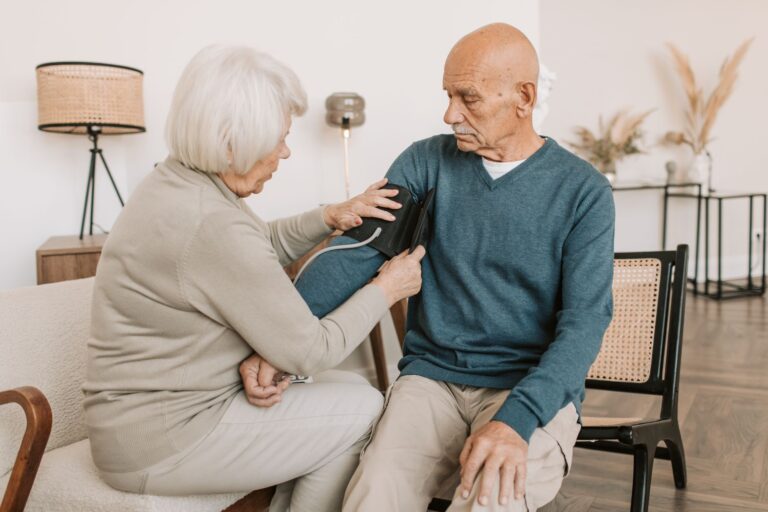
Caregiving often crowds out sleep, medical visits, exercise, and social time. A joint BOLD Center analysis of 2021-2022 survey data from 47 states found dementia caregivers carry elevated modifiable risks including obesity, diabetes, short sleep, smoking, hypertension, and inactivity. That pattern makes caregivers a high-need audience for prevention outreach.
When a caregiver controls blood pressure, gets enough sleep, stays active, and avoids smoking, the same steps support daily caregiving stamina and long-term brain health. Local health staff trained through ECHO can point families to community programs, screenings, and education that make those steps easier. Maine reinforced this direction by establishing the Alzheimer's Disease and Related Dementias Prevention and Support Program in Maine CDC. The program promotes brain health, public awareness, risk reduction, early detection, diagnosis, and care planning.
Which habits matter most day to day
The Alzheimer's Association told Senate appropriators that practical brain-health action means treating chronic-disease habits as dementia-risk habits. The list is familiar: physical activity, blood-pressure and diabetes control, no smoking, healthy diet, sleep, staying socially and mentally active, and managing hearing loss and depression.
For a busy caregiver, small linked actions work best: Each habit helps the heart, metabolism, mood, or senses. Together they support clearer thinking and steadier energy for care tasks.
- Walk after a meal, track blood pressure, and bring the log to primary care
- Keep a regular bedtime, limit alcohol and late caffeine, and ask about snoring or daytime sleepiness
- Eat vegetables, beans, fish, nuts, and whole grains more often than processed meats and sweets
- Fix hearing aids, stay in touch with friends, and seek help early for depression
What risk reduction can and cannot do
Evaluation of the Tennessee-piloted ECHO found stronger dementia risk-reduction knowledge and higher confidence to take action. Researchers report in Frontiers in Public Health that participants also showed high satisfaction and intent to educate staff, patients, and community partners. Families should still hold clear expectations.
The widely cited estimate that about 45 percent of dementia cases could be prevented or delayed by addressing 14 modifiable factors is a population-level ceiling. It assumes full elimination and causality, not a personal guarantee, while age and genetics remain major risks. Use ECHO-trained local resources as a starting point. Ask your health department or clinic about blood-pressure checks, diabetes programs, smoking quit support, sleep help, hearing screening, and caregiver support groups.
Frequently Asked Questions
Do I need to join ECHO sessions to benefit?
No. ECHO trains public-health staff, not families. Families benefit when local departments offer clearer brain-health programs and referrals.
What is one first step for an exhausted caregiver?
Pick one habit with fast payoff, such as a 10-minute daily walk, a blood-pressure check, or a regular sleep schedule. Then ask primary care or your local health department for follow-up support.
You Might Also Like
- Privacy and Data Access Gaps in 2026 Dementia Research: A Source-Checked Research Briefing for Family Caregivers
- NIA’s 2026 Late-Life Depression and Dementia Workshop: A Source-Checked Research Briefing for Family Caregivers
- Serious Illness and End-of-Life Dementia Research Priorities in 2026: What Changed and What Comes Next for Family Caregivers