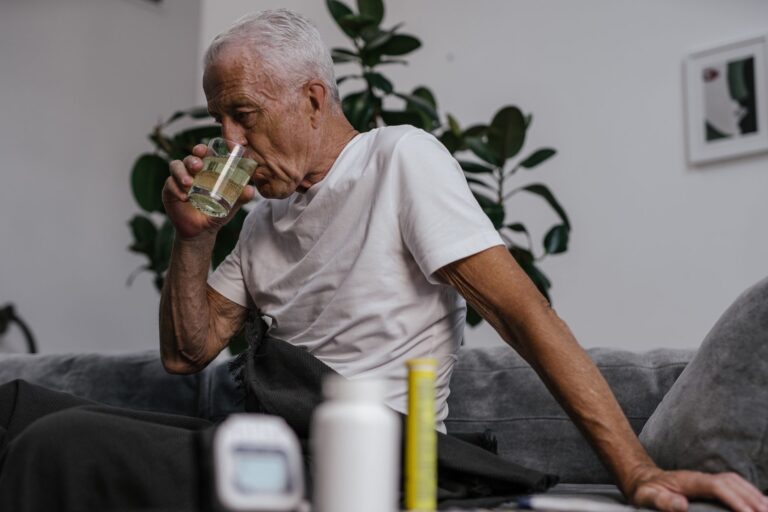
Long-distance dementia caregivers need technology that works reliably, requires minimal setup, and actually improves daily contact without adding stress. The right tech stack combines simple video calling, location tracking, medication reminders, and digital photo sharing—tools that work together without requiring a caregiver to become an IT manager. You don’t need expensive medical-grade systems; consumer-grade devices and apps, chosen carefully for reliability and ease of use, handle most real-world needs. The challenge is that dementia caregiving already demands emotional energy, time, and attention to detail. Adding technology that’s buggy, complicated, or requires constant troubleshooting defeats the purpose.
The setup should take a few hours, run mostly on its own, and alert you only when something actually matters—like a missed medication or a fall detection trigger. A person managing their parent’s care from another state, working full-time, with visits once a month can maintain meaningful oversight and stay connected with the right tools in place. Technology alone doesn’t replace in-person presence, but it bridges the gap between visits. Real-world caregivers have found that motion-sensor alerts, automatic photo delivery, and weekly video check-ins reduce anxiety about their parent’s daily safety and help catch problems earlier. The setup works best when it’s configured once and then largely forgotten, only surfacing information when action is genuinely needed.
Table of Contents
- What Tech Tools Actually Help Long-Distance Caregivers?
- Digital Communication and Photo Sharing Systems
- Safety Monitoring Without Invasive Cameras
- Setting Up Remote Home Monitoring Without Overwhelm
- WiFi, Connectivity, and Common Failures
- Privacy and Legal Considerations
- Updating and Troubleshooting Remote Systems
- Frequently Asked Questions
What Tech Tools Actually Help Long-Distance Caregivers?
Video calling is the foundation—FaceTime, Google Meet, or WhatsApp work fine, but the person with dementia needs to be able to answer your call with a single tap. Pre-set video contacts, large buttons, and minimal menu navigation matter more than fancy features. Many caregivers schedule regular calls at the same time each week, like Tuesday mornings at 9 a.m., which creates predictability the care recipient comes to expect. Location tracking serves a different purpose: it’s not surveillance, but a safety net for wandering. An Apple AirTag in a jacket pocket, a GPS watch, or a Tile device with a family account can alert you if the person leaves their home or care facility.
GPS watches like the Gizmowatch or GreatCall Lively Mobile Plus give real-time location and often include fall detection. The cost ranges from $15 for an AirTag (plus a subscription to Apple’s Find My service) to $150–300 for a dedicated GPS watch, but the difference matters if the person tends to wander or gets lost easily. Medication management apps prevent the most common problem: forgetting to take pills or taking them twice. Medisafe, Pill Reminder, or even a simple smartphone alarm can work, but apps that connect to a family member’s phone and send alerts when a dose is missed are worth the small monthly cost. Some caregivers use a standard pill organizer with a smartphone camera pointed at it—a weekly photo proves the pills were taken or highlights the ones left behind.
Digital Communication and Photo Sharing Systems
Email or shared photo albums (Google Photos, Amazon Photos, Dropbox) let family members see daily life without requiring real-time interaction. A smartphone or tablet in the care recipient’s home, set to auto-backup photos from a camera or the phone’s camera, means you see meals, activities, or garden photos without asking every time. This works particularly well if a caregiver or facility staff member takes a few photos daily as part of routine.
The limitation is that shared folders and email require someone—either the person with dementia or a local caregiver—to actively use them. If the local helper stops taking photos or checking messages, the system goes silent. Many families find that a family group chat (WhatsApp, Signal, iMessage) works better because it keeps messages and photos in one searchable place, but it only works if participants remember to use it. The most reliable setups have one person—a spouse, adult child, or paid caregiver—assigned to be the “communication hub,” who takes photos and summarizes updates into a single weekly summary sent to the extended family.
Safety Monitoring Without Invasive Cameras
Motion sensors placed in hallways or by the bed can trigger alerts on your phone if someone’s moving around at 3 a.m. or hasn’t moved in several hours. Devices like the Philips Hue Motion Sensor ($40–60) or the WYZE Motion Sensor ($20–30) integrate with smart home systems (Apple HomeKit, Google Home, Alexa) and send notifications to your phone. For people living alone or in assisted living, a nighttime motion alert can catch early signs of confusion, wandering, or falls.
Fall detection is more specialized. Wearable devices like the Apple Watch Series 4 or later, Samsung Galaxy Watch, or dedicated fall-detection pendants (Life Alert, Medical Guardian, Philips Lifeline) can automatically alert emergency contacts or emergency services if a fall is detected. The Apple Watch version works through motion detection and requires a manual alert to confirm; medical-grade devices use accelerometers and send alerts even if the wearer doesn’t respond. These cost $200–500 upfront plus $20–50 monthly monitoring fees, so they’re typically reserved for people at high fall risk or living alone.
Setting Up Remote Home Monitoring Without Overwhelm
Start with one tool and add others incrementally. A common mistake is buying five devices at once, configuring them during a stressful weekend visit, and then having them disconnect or stop working within weeks because nobody knows how to fix them. Instead, pick one: perhaps a shared photo album for the first month, then add medication reminders in month two, then location tracking by month three. Before you install any device, identify who will maintain it locally. If the person with dementia lives alone, a weekly caregiver visit or a neighbor willing to check the device every month is essential.
If they’re in a care facility, ask if staff can help troubleshoot or restart devices when they disconnect—some facilities are willing, others are not. The most reliable setups have a local person assigned to this role, even if they’re only checking in quarterly. Testing matters more than you’d expect. Set up the device, wait 24 hours, then check if notifications are reaching your phone and the setup is still working. Many devices have poor WiFi connectivity in older homes or facilities with thick walls, and testing early prevents the slow realization months later that alerts haven’t been reaching you because the device lost connection three weeks ago.
WiFi, Connectivity, and Common Failures
WiFi is the hidden bottleneck. A home with older WiFi, walls between rooms and the router, or too many devices competing for bandwidth often has connectivity problems that cause devices to drop connection for hours at a time. Before installing motion sensors or fall-detection devices, ask: Does the WiFi reach the bedroom? Does it reach the front door where the person might wander? If the answer is no or “sometimes,” upgrading to a mesh WiFi system (Eero, Nest WiFi, UniFi) or adding a WiFi extender should come first. Cellular connectivity is more reliable for critical alerts.
Devices that use cellular data (some GPS watches, fall-detection pendants) work even if home WiFi fails, but they cost more and require a separate cellular plan. For a person living alone or with severe dementia, the extra cost is often worth it; for someone in a care facility with good WiFi, it’s probably unnecessary. Battery drain is common with always-on devices. Motion sensors, wearables, and GPS trackers can die without warning if batteries aren’t checked monthly. Set a phone reminder to check device batteries on the same day each month—missing this step is one of the top reasons monitoring systems fail silently.
Privacy and Legal Considerations
GPS tracking and fall-detection devices raise consent questions. If the person with dementia still has legal decision-making capacity, they should agree to monitoring. If they don’t, a healthcare power of attorney or court-appointed guardian has authority, but the decision should still be documented and discussed with other family members.
Many families discover disagreements about monitoring only after installing devices, so having the conversation first avoids conflict. Motion sensors and cameras pointed at living areas cross into privacy territory. Some people find them uncomfortable even in their own home. Motion sensors that don’t record—only triggering an alert when movement is detected—are generally more acceptable, but cameras (even baby monitors) should be explicitly agreed to and their footage should be accessible only to named family members, not stored indefinitely on a cloud server.
Updating and Troubleshooting Remote Systems
Devices stop working most often because of password changes, failed app updates, or WiFi disconnections. Create a simple document with device names, login credentials (stored securely in a password manager, not on paper or in a shared file), WiFi passwords, and a list of what each device does. When you visit quarterly or annually, spend 30 minutes testing all systems: Does the app still log in? Is the device still paired to WiFi? Have new versions been auto-installed? The person managing the tech should plan for succession.
If you’re the one who maintains these systems, write down which devices are active, how to access accounts, and what to do if something breaks. If you become unavailable—illness, job change, relocation—someone else needs to step in without starting from scratch. This is especially important for critical systems like fall detection or medication reminders, where gaps in coverage could mean missed safety alerts.
Frequently Asked Questions
What’s the cheapest way to start monitoring a parent’s safety from another state?
Start with location tracking ($15–50 for an AirTag or basic GPS tracker) and a medication reminder app (free to $5/month). These address the two most common safety concerns: wandering and missed medications. Add video calling and photo sharing next. Total startup cost: under $100.
Can I use a regular smartphone for fall detection?
Smartphones have motion sensors but fall detection requires specialized algorithms and a wearable worn on the body. Relying on a smartphone in a pocket or on a nightstand will miss many falls. Dedicated wearables or smartwatches with fall detection are more reliable, though not perfect.
What if my parent’s dementia means they’ll remove tracking devices?
AirTags in jacket pockets or bags are less likely to be removed than obvious wearables. GPS watches marketed as children’s watches look less clinical and are sometimes more acceptable. If the person consistently removes devices, motion sensors in the home or regular check-in calls may be more practical.
Do I need professional monitoring services?
No. Consumer devices with family notifications work fine for routine monitoring. Professional monitoring (24/7 call centers) adds cost ($20–50/month) but provides immediate human response to falls—useful if the person lives alone and can’t call for help themselves.
How often should I check that systems are actually working?
Test all devices monthly: confirm app logins still work, check battery levels, and verify at least one notification reached your phone. Many systems fail silently—a device stops sending alerts weeks before anyone notices.
What happens if WiFi or cellular fails?
Most consumer devices stop working. Battery backups don’t solve this—the device itself needs connectivity to send alerts. For critical systems like fall detection, consider devices with dual connectivity (both WiFi and cellular) or position yourself to visit more frequently if infrastructure is unreliable.