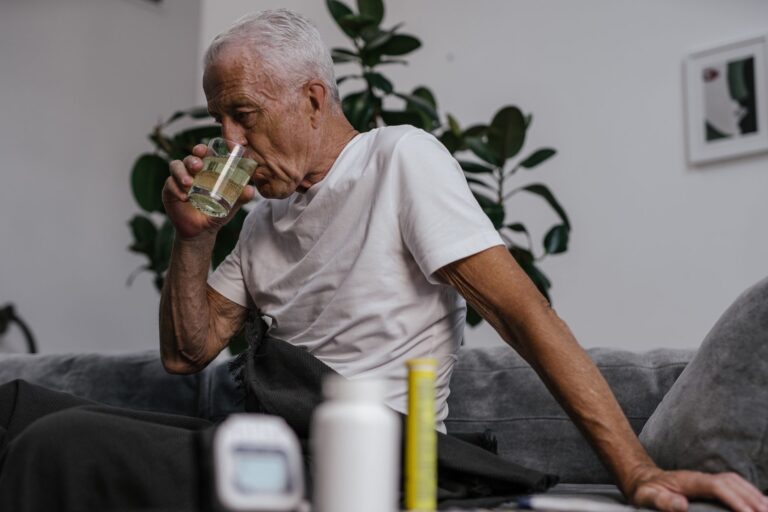
Privacy matters with dementia care technology because these tools collect intimate information about a person’s location, behavior, medical history, and daily routines—data that can be misused, sold, or exposed if not properly protected. Caregivers often feel pressured to adopt monitoring technology quickly to keep a loved one safe, but many popular apps and devices lack basic privacy safeguards. A person with dementia cannot easily consent to or understand how their data is being used, which makes privacy protections not a nice-to-have feature but a fundamental requirement.
The stakes are higher with dementia patients than with other populations. Unlike a teenager whose location data might be tracked by a parent, or a healthy adult whose fitness data is monitored by an app, a person with dementia has reduced ability to change passwords, delete accounts, or dispute misuse. If a device manufacturer sells behavioral data to insurance companies, an elderly person with cognitive decline could face higher premiums or coverage denial. If a monitoring app is breached, a caregiver’s home address, daily schedule, and financial information may be exposed alongside the patient’s.
Table of Contents
- What Data Do Dementia Care Technologies Actually Collect?
- Why Healthcare Data Breaches Hit Dementia Patients Harder
- How Location Tracking and Behavior Monitoring Create Privacy Zones
- How to Evaluate Privacy Practices in Dementia Care Tools
- The Privacy Tradeoff Between Safety and Surveillance
- Who Might Access Dementia Care Data Beyond the Caregiver
- What to Do If a Device Collects Data You Don’t Want Collected
- Frequently Asked Questions
What Data Do Dementia Care Technologies Actually Collect?
dementia care technology often collects far more data than caregivers realize. GPS-enabled wearables track location in real time, storing every place a person visits and how long they stay there. Medication reminder apps record when pills are taken or skipped. Fall detection devices transmit acceleration data, movement patterns, and sometimes audio or video. Smart home systems designed to monitor for dangerous behaviors—like a stove left on or a door opened at night—continuously observe the home environment. Even passive devices that simply send an alert when someone leaves a geofenced area are collecting and storing timestamps. A person using a popular dementia monitoring app might not know that the company can access their GPS history, step counts, sleep data, bathroom visits, and which apps they use on their phone.
Some apps bundle this data with other health metrics collected from wearables and send it to cloud servers. That server infrastructure may be in a different country with different privacy laws. A caregiver clicking “I agree” during setup often has no idea what vendors, insurers, or researchers might have access to the information later. The scope of collection is also asymmetrical. A caregiver monitoring their parent gets peace of mind about safety, but the parent loses the ability to have private moments or private thoughts. If a person with early-stage dementia still has some awareness, constant monitoring can increase anxiety and reduce dignity. There is no industry standard for what data should or shouldn’t be collected for a given use case, which means each company decides on its own.
Why Healthcare Data Breaches Hit Dementia Patients Harder
Dementia care data is attractive to cybercriminals because it reveals patterns that enable identity theft, fraud, and physical harm. A breach of a medication management app exposes which medications a person takes, their dosages, and their pharmacy—information that makes a person vulnerable to prescription fraud. Location data breaches can lead to home invasions or elder exploitation. Breached financial information combined with caregiver contact details can enable scams targeting family members. The damage from a breach is often permanent. Unlike a compromised credit card number, which can be cancelled and replaced, genetic data, biometric information, or a detailed health history cannot be changed.
A person with dementia lacks the cognitive ability to monitor credit reports, dispute charges, or protect themselves after a breach occurs. Studies have found that dementia patients are already over-represented among elder fraud victims; a privacy breach multiplies that risk. Several dementia-focused organizations have reported security gaps in popular monitoring devices. Some wearables transmit location data over unencrypted connections. Some apps store passwords in plain text or use default credentials that don’t require users to set a strong password. One device manufacturer discovered they had stored sensitive data in publicly accessible cloud folders by accident. These are not theoretical risks—they are documented failures that have exposed real users.
How Location Tracking and Behavior Monitoring Create Privacy Zones
Location tracking is marketed as a safety feature to prevent wandering, but the same technology creates a permanent record of where a person has been and when. Continuous GPS tracking reveals sensitive information: which doctor offices a person visits, which pharmacies, which religious institutions, which family members’ homes, and even private mental health or addiction counseling locations. Once that data exists, it cannot truly be private again, even if the device is turned off or the account is deleted. The problem intensifies with behavioral monitoring. Some monitoring systems record not just whether a person left the house, but what time, how often, which direction, and whether they took the same route.
Behavior patterns—going to the same cafe every morning, or taking longer routes—can indicate a person’s habits, routines, social connections, and preferences. If that data is sold to retailers or advertisers, companies could target that person with ads for products related to their routines or vulnerabilities. If shared with insurers, it could influence coverage decisions. One common gap in privacy frameworks is the distinction between “caregiver needs to know” and “data that must be stored.” A caregiver may need an alert when a person leaves a geofenced area, but the device does not need to store 12 months of location history. However, many systems store the complete history by default and charge a subscription fee to keep it. This creates a financial incentive for the company to collect and retain as much data as possible, regardless of what the caregiver actually needs.
How to Evaluate Privacy Practices in Dementia Care Tools
Start by asking whether the device or app collects data it doesn’t need to serve its stated purpose. A fall detection wearable needs motion sensors and an emergency alert system; it does not need a microphone, GPS, or internet connection to a social media platform. Many devices include multiple sensors because they are mass-produced and sold across different use cases. Check the specifications to see which sensors are actually required versus which ones are just present.
Next, look at how the company handles data once it’s collected. Do they encrypt it during transmission and storage? Do they allow users to delete the data they collect? How long do they retain it? Can a caregiver export or delete the location history, or is it locked into the company’s cloud? Read the privacy policy closely—many state that data may be shared with “third parties” or “business partners” or “healthcare analytics firms” without specifying who those entities are or what they do with the information. Ask also about access controls. Who can see the data—just the primary caregiver, or anyone in the caregiver’s organization? If a caregiver works at an assisted living facility, do all staff members have access to all residents’ location data, or only the data for residents they directly care for? One common oversight is that monitoring systems are shared across multiple caregivers without clear restrictions, so a janitor or receptionist might accidentally have access to sensitive health information.
The Privacy Tradeoff Between Safety and Surveillance
There is a genuine tension between keeping a person with dementia safe and respecting their privacy, and it cannot be fully resolved—only managed. A person prone to wandering benefits from location tracking, but location tracking also removes a layer of anonymity and independence. Many systems present this as a binary choice: enable full monitoring for safety, or disable it and accept risk. That framing is often not accurate. Caregivers can negotiate partial privacy. Some systems allow geofencing without storing GPS history, or allow caregivers to see the current location without viewing past movements.
Some wearables can send emergency alerts without collecting ongoing behavioral data. However, these options require actively finding a system that supports them—most default to maximum data collection because that is easier to build and sell. The tradeoff also shifts as the person’s condition changes. Early in dementia, when a person retains more autonomy, privacy may be a higher priority. Later, when someone is at higher risk of harm, safety may reasonably become the priority. But data collected during the earlier stages should not be automatically retained or repurposed in later stages—the person’s changing needs should be reflected in changing data practices, not in accumulating more and more historical information.
Who Might Access Dementia Care Data Beyond the Caregiver
Data breaches and intentional misuse are not the only ways that private information escapes. Many companies claim they “don’t sell data,” but they do share it with vendors, insurers, research institutions, or government agencies as part of business partnerships. A dementia care app may share anonymized data with researchers studying cognitive decline—which seems benign, but can be re-identified using cross-referencing techniques.
Some companies share data with insurance companies to adjust premiums or coverage, which directly affects the person whose data was shared. Technology companies also face legal requests for data from law enforcement, immigration authorities, or civil litigators. A person with dementia cannot refuse to disclose their location to a court order, and neither can the caregiver if they manage the account. In some cases, law enforcement has requested location data from devices worn by elderly people without a warrant, and companies have complied.
What to Do If a Device Collects Data You Don’t Want Collected
If a caregiver discovers that a device or app is collecting data beyond what’s needed, there are limited but real options. First, check the app settings or device menu for toggle switches or permissions controls. Many systems have default privacy settings that are overly broad but can be restricted by disabling background location access, limiting data retention, or turning off particular sensors.
Second, contact the company directly and ask what data is collected and request deletion of specific categories—some companies will comply, though others refuse. If a company refuses to respect privacy preferences or does not offer adequate controls, consider switching to a competitor or discontinuing the service. This is feasible if the technology is supplementary, but more difficult if the caregiver relies on it for essential safety functions. In that case, document the company’s privacy practices and consider whether other safeguards—like a live-in caregiver, a more structured environment, or different monitoring approaches—might reduce the safety risks without the same privacy costs.
Frequently Asked Questions
Can a person with dementia refuse to use a monitoring device?
Legally, yes—capacity to refuse treatment and monitoring is a rights issue, though it varies by jurisdiction and depends on the person’s diagnosed capacity level. Practically, a caregiver concerned about safety often overrides the preference. A middle ground is finding a device that monitors safety without collecting unnecessary additional data.
Do I have to store location history forever?
No. Most systems retain data by default, but many allow users to adjust retention periods or delete historical data manually. Some devices offer a “current location only” mode that shows where someone is right now without storing past movements. Check the settings before assuming retention is mandatory.
Is anonymized data from dementia monitoring safe to share with researchers?
Anonymized data can be re-identified, especially when combined with other datasets. Before sharing, ask the company or research institution what re-identification safeguards exist. In general, behavioral data—especially highly detailed location and routine information—is harder to truly anonymize than basic demographic data.
If I’m the primary caregiver, do other staff at the facility have to see all the location data?
They should not have automatic access. Ask the system administrator to configure role-based permissions so that only staff who directly care for a specific person can see their data. This is a standard security practice in healthcare but not always implemented by consumer-grade monitoring apps.
What happens to the data if the company goes out of business?
It depends on the company’s obligations in their terms of service and privacy policy. Some require deletion, others allow sale to competitors. Before signing up, search for the company’s privacy policy and look for a section titled “Acquisition” or “Business Transfer” to see what would happen to your data.