Reviewed by the Help Dementia Editorial Team — our editors review every article for accuracy against guidance from the National Institute on Aging, the Alzheimer’s Association, and peer-reviewed sources.
Try vicks sits at the center of this dementia and brain health question.
Vicks VapoRub can provide temporary relief from wheezing during a cold, but it’s not a cure and won’t address the underlying cause of your symptoms. The menthol and eucalyptus oils in the rub create a cooling sensation that many people find soothing, and some users report that the vapors help them breathe more easily for a short time.
However, its effects are modest and limited—typically lasting only a few hours—and it works best as a complementary approach alongside other cold management strategies like staying hydrated, resting, and using saline rinses. For a concrete example, if you’re experiencing chest congestion from a cold and rub Vicks on your upper chest and throat before bed, the menthol vapors may help you sleep slightly more comfortably by opening your nasal passages temporarily. That said, this relief is psychological and sensory rather than physiological; the rub isn’t actually reducing inflammation in your airways or killing the virus causing your cold.
Table of Contents
- How Does Vicks VapoRub Affect Respiratory Symptoms?
- Safety Considerations and Important Warnings
- When Vicks VapoRub Might Help versus When It Won’t
- How to Use Vicks VapoRub Properly for Maximum Benefit
- Potential Side Effects and When to Stop Using It
- Over-the-Counter Alternatives to Consider
- When to Seek Medical Attention Instead of Relying on Home Remedies
- Conclusion
How Does Vicks VapoRub Affect Respiratory Symptoms?
Vicks VapoRub works primarily through aromatherapy and topical sensation rather than by entering your bloodstream or addressing respiratory inflammation. When you apply the rub to your chest and throat, the menthol creates a cooling sensation that stimulates nerve endings, which many people interpret as easier breathing. The eucalyptus and camphor oils produce vapors that you inhale, and these vapors can briefly decongest your nasal passages and make you feel like air is moving more freely.
The key limitation is that this relief is largely sensory. Studies show that menthol doesn’t actually reduce airway inflammation or improve lung function; instead, it tricks your nervous system into perceiving better airflow. For someone with wheezing from a cold, this might mean you feel more comfortable for 2-4 hours after applying the rub, but your actual breathing mechanics haven’t changed. If your wheezing is caused by thick mucus or swollen airways, the rub won’t thin the mucus or reduce the swelling—it just makes the experience feel slightly better.

Safety Considerations and Important Warnings
While Vicks VapoRub is generally considered safe for topical use in adults, there are several important limitations and cautions to keep in mind, especially for older adults and those with cognitive concerns. The most critical warning: never apply Vicks VapoRub to broken skin, open wounds, or areas affected by eczema or other skin conditions, as the oils can irritate inflamed tissue. Additionally, some people develop sensitivity to menthol or eucalyptus with repeated use, leading to skin irritation or allergic reactions. A significant concern for people with dementia or cognitive impairment is accidental ingestion.
Vicks VapoRub contains petroleum distillates and other compounds that are toxic if swallowed in large amounts. If a person with dementia applies it themselves or has access to the container, there’s a risk they might ingest some of the product. Always keep the jar in a secure location and supervise application if needed. Furthermore, applying too much of the rub to the chest can actually irritate mucous membranes and worsen coughing temporarily, so less is genuinely better.
When Vicks VapoRub Might Help versus When It Won’t
Vicks VapoRub is most likely to provide noticeable relief when your wheezing is primarily driven by nasal congestion and upper airway discomfort—typical of the early stages of a cold. If you have a stuffy nose and a dry throat that’s making you cough and wheeze, the vapors can help open your nasal passages and soothe the irritation enough to let you sleep or feel more comfortable. Many people find that applying the rub before bed and using a humidifier together produces the best results, since the moisture in the air carries the vapors deeper into your respiratory tract.
Where Vicks VapoRub falls short is when your wheezing stems from lower respiratory inflammation or significant mucus buildup in your chest. If your cold has developed into a secondary infection like bronchitis, or if you have underlying asthma or COPD being triggered by the cold, Vicks won’t help—and in some cases, the strong oils might trigger additional irritation. A telling difference: if you apply Vicks and notice absolutely no change in how you feel after 30 minutes, it’s likely that your wheezing requires medical intervention rather than topical relief.
How to Use Vicks VapoRub Properly for Maximum Benefit
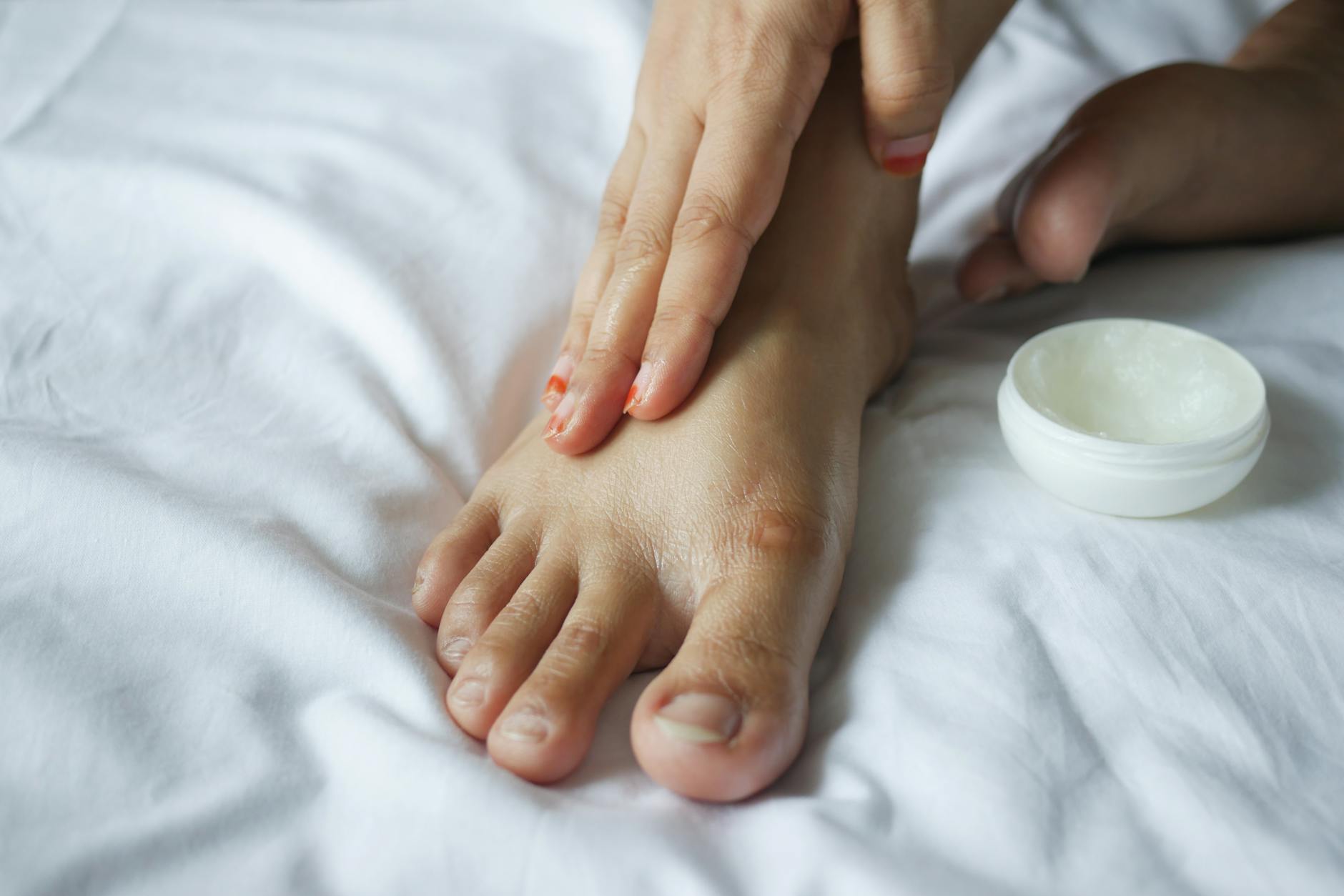
To get the most out of Vicks VapoRub, apply a thin layer (about the size of a dime) directly to your upper chest, throat, and the area just below your collarbone. Rub it in gently using circular motions until it’s fully absorbed into the skin. Avoid applying it too close to your eyes, and never apply it inside your nose, despite the temptation—the nasal passages are sensitive, and the strong oils can cause irritation.
For best results, apply the rub in the evening before bed, and pair it with a humidifier running in your bedroom. A practical comparison: some people swear by applying Vicks to the chest and then wearing a warm scarf or blanket to trap the vapors and allow them to be inhaled continuously; others prefer applying it and simply sleeping with an extra pillow to prop themselves up, which also helps drainage. The elevation combined with the vapors often works better than lying flat. Don’t reapply more than two to three times daily, as excessive use can lead to skin irritation and diminishing returns on the soothing effect.
Potential Side Effects and When to Stop Using It
Most people tolerate Vicks VapoRub well, but some experience mild side effects including skin irritation, redness, or a burning sensation at the application site. These symptoms usually appear with sensitive skin or when too much rub is applied. More concerning is the possibility of a menthol allergy, which can cause hives, swelling, or difficulty breathing—if you experience any of these symptoms after using Vicks, wash it off immediately and don’t use it again.
There’s also a phenomenon called “mentholated irritation,” where excessive use of menthol-based products can actually increase coughing and respiratory irritation rather than relieving it. If you notice that your wheezing or coughing has worsened after using Vicks VapoRub, discontinue use immediately. Additionally, if you’re taking certain medications for high blood pressure, heart disease, or respiratory conditions, it’s worth checking with your doctor before using menthol-based products, as there can be minor interactions or contraindications in some cases.

Over-the-Counter Alternatives to Consider
If Vicks VapoRub doesn’t work for you or you’d prefer not to use it, several other topical products offer similar sensations: Mentholatum, Eucerin Healing Ointment, and various generic menthol rubs all work through similar mechanisms. For a different approach, saline nasal sprays or rinses can directly address nasal congestion without the heating oils, and they’re safe for regular use.
Honey (a teaspoon taken straight or dissolved in warm tea) has surprisingly strong evidence backing its ability to soothe throat irritation and suppress coughing during colds. Another option is using a humidifier or vaporizer alone without any topical product—moisture in the air can relieve congestion and reduce wheezing just as effectively as Vicks for many people, and it comes with virtually no risk of irritation or side effects.
When to Seek Medical Attention Instead of Relying on Home Remedies
If your wheezing from a cold persists for more than a week, worsens despite home care, or is accompanied by chest pain, shortness of breath at rest, or coughing up blood, you should contact a healthcare provider rather than continuing to use Vicks VapoRub. These symptoms can indicate a secondary infection like bronchitis or pneumonia, which require antibiotics or other medical treatment.
Additionally, if you have a history of asthma or COPD, wheezing during a cold warrants a phone call to your doctor, since your underlying condition might need adjustment to your regular medications. For older adults and people with dementia, it’s especially important to involve a healthcare provider early. What feels like a simple cold in a younger person can develop more quickly into serious complications in older adults, and certain medications used for dementia or other chronic conditions can affect how your body handles respiratory infections.
Conclusion
Vicks VapoRub can offer modest, temporary relief from the discomfort of wheezing during a cold, primarily by creating a soothing sensation and opening your nasal passages for a few hours. It’s inexpensive, widely available, and generally safe for most adults when used as directed. However, it’s not a treatment—it won’t reduce inflammation, thin mucus, or address the underlying viral infection causing your cold.
The best approach is to think of Vicks VapoRub as one small part of a broader cold management strategy that includes rest, fluids, saline rinses, and sleep. If your symptoms don’t improve within a few days, worsen despite home care, or are accompanied by warning signs like chest pain or persistent fever, seek medical evaluation. For people managing both a cold and dementia or other cognitive concerns, caregivers should supervise any use of mentholated rubs and watch for signs of worsening symptoms that would warrant a doctor’s visit.
You Might Also Like
- Should You Try Tylenol PM for Plugged Ears?
- Should You Try Spiriva for Grass Allergies?
- Should You Try Pataday for Reduced Taste?
For more, see National Institute on Aging.