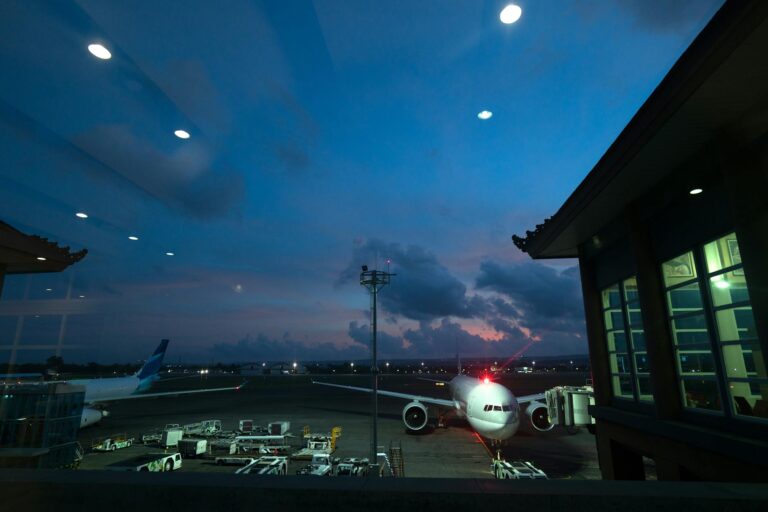
On Sunday, March 23, 2026, at approximately 11:40 p.m., an arriving Air Canada Jazz Aviation aircraft traveling at 93-105 mph struck a Port Authority Airport Rescue and Firefighting truck on Runway 4 at New York’s LaGuardia Airport, resulting in the deaths of two pilots and the hospitalization of 41 people. The collision forced LaGuardia to close entirely until at least 2 p.m.
the following day, canceling over 500 flights and stranding thousands of passengers—many of them elderly or traveling to visit family members in medical care. This incident raises urgent questions about airport safety protocols, air traffic control procedures, and the hidden vulnerabilities in our transportation system that put vulnerable populations, including those with dementia and cognitive conditions, at particular risk. This article examines what happened, how such incidents affect people with brain health concerns, and what passengers traveling with or for elderly family members should know.
Table of Contents
- What Triggered the LaGuardia Runway Collision?
- Why This Incident Is Particularly Dangerous for Elderly and Cognitively Vulnerable Passengers
- The Cognitive and Psychological Impact of Major Travel Incidents
- What Families Should Know About Safe Travel With Elderly and Cognitively Vulnerable Relatives
- Air Traffic Control Staffing and System Safety
- Recovery and Support for Those Affected by the Incident
- The Future of Airport Safety and Vulnerable Passenger Protections
- Conclusion
What Triggered the LaGuardia Runway Collision?
The incident began with a routine response to an unrelated issue. An odor had been reported on a United flight, and the Port Authority Aircraft Rescue and Firefighting (ARFF) team was dispatched to investigate. Air traffic control cleared the fire truck to cross Runway 4 at taxiway Delta, a procedure that should have been routine. However, within moments of approval, circumstances changed—an Air Canada flight was approaching for landing. Air traffic control immediately ordered the fire truck to stop, issuing the command multiple times in rapid succession as the aircraft descended. The fire truck could not stop in time.
The arriving jet, still traveling at dangerous speed, collided with the vehicle on the runway. Two pilots in the aircraft—the pilot and co-pilot—were killed in the collision. The fire truck crew sustained non-life-threatening injuries, with two officers remaining hospitalized. Of the 72 passengers and 4 crew members aboard the aircraft, 41 were transported to hospitals. By the time emergency responders controlled the scene, 32 had been released, but the human and operational cost was already enormous. The National Transportation Safety Board (NTSB) immediately launched an investigation, while Transportation Secretary Sean Duffy announced his office would examine whether air traffic control staffing levels played a role. Questions about communication timing, procedure verification, and system redundancy began surfacing almost immediately—concerns that persist for anyone planning air travel.

Why This Incident Is Particularly Dangerous for Elderly and Cognitively Vulnerable Passengers
The chaos following a major airport incident creates an outsized threat to elderly passengers and those with dementia or cognitive decline. For people with early-stage Alzheimer’s disease, mild cognitive impairment, or other brain health conditions, sudden disruptions to familiar routines—flight cancellations, unexpected delays, crowd confusion, loud announcements—can trigger acute confusion, anxiety, and disorientation. A passenger with dementia who loses track of where they are or what’s happening can quickly become lost or injured in the pandemonium that follows a runway closure. The impact extends beyond the immediate incident. Over 500 flights were canceled due to the closure, affecting tens of thousands of passengers.
For families coordinating travel to visit elderly relatives in hospitals or care facilities—a trip that may have already been stressful due to illness or cognitive decline—such a closure can mean missing critical care decisions, delaying visits that may be medically necessary, or disrupting medication schedules for those on strictly regulated regimens. A person with dementia arriving at an unfamiliar hospital in a strange city faces significant additional stress when travel plans fall apart. Moreover, the physical stress of such incidents—sitting in a damaged aircraft, witnessing injury, experiencing fear—can have lasting cognitive effects on elderly passengers. Research shows that trauma and extreme stress can accelerate cognitive decline in people with existing brain health vulnerabilities. Even passengers who are physically unharmed may struggle with anxiety about future air travel, a response that can become pathological in those with underlying cognitive or neurological conditions.
The Cognitive and Psychological Impact of Major Travel Incidents
When a major incident occurs during air travel, the physiological and psychological aftermath affects all passengers, but those with brain health conditions bear disproportionate risk. The acute stress response triggered by a runway collision—sudden deceleration, loud impact, fear, confusion—floods the body with cortisol and adrenaline. For a young, healthy passenger, the body processes and recovers from this stress relatively quickly. For an elderly person or someone with dementia, this same stress can cause lasting damage to memory systems, attention, and emotional regulation. Post-traumatic stress following air incidents is well-documented in the medical literature.
Even passengers not directly involved in the collision—those on cancelled flights, those waiting in terminals—can develop travel anxiety, hypervigilance around aircraft, or avoidance behaviors that make future essential travel (such as visiting distant family members or attending medical appointments) impossible. For a person with mild cognitive impairment or early dementia, this anxiety can spiral into confusion about when and where they need to go, creating a feedback loop of distress. Additionally, the disruption to daily medications and care routines can pose serious risks. An elderly passenger with Parkinson’s disease, diabetes, or a neurological condition who misses doses of time-sensitive medications due to flight cancellations faces potential health deterioration. For someone with dementia who relies on structured daily routines to maintain orientation and reduce behavioral symptoms, a 24-hour travel disruption can cause significant regression in cognitive and emotional functioning.

What Families Should Know About Safe Travel With Elderly and Cognitively Vulnerable Relatives
If you are planning air travel with an elderly family member, someone with dementia, or anyone with a cognitive or neurological condition, several practical safeguards become essential in light of incidents like LaGuardia’s. First, whenever possible, book nonstop flights to minimize transfers, time in airports, and opportunities for disorientation. The fewer transitions your family member must navigate, the lower the risk that a disruption (cancellation, delay, security issue) will cause confusion or panic. Second, always carry detailed written information about your family member’s medical conditions, medications, allergies, and emergency contacts in multiple copies. Keep this information in your carry-on bag, in your wallet, and accessible to your family member. In the chaos following an airport incident, this documentation can be the difference between appropriate emergency care and miscommunication that leads to medication errors or inappropriate treatment.
Third, travel with at least one companion who is familiar with your family member’s condition and can advocate for their needs. A person with dementia cannot be left unattended in an airport terminal, and a cognitively impaired elderly person may not be able to navigate rebooking or emergency protocols independently. Fourth, consider scheduling non-essential travel during off-peak hours and seasons when airport operations are less strained. The incident at LaGuardia occurred at 11:40 p.m. on a Sunday—a time when staffing may be thinner and operational procedures may be more prone to error. Fifth, review your airline’s policies regarding accommodation for elderly or cognitively impaired passengers. Some airlines offer priority rebooking, wheelchair assistance, and special communication procedures that can make disruptions far less traumatic for vulnerable passengers.
Air Traffic Control Staffing and System Safety
The investigation into the LaGuardia incident will likely focus on communication protocols between air traffic control and ground operations. Transportation Secretary Sean Duffy’s office specifically stated it would examine whether staffing levels in the control tower contributed to the collision. This concern reflects a broader, systemic problem: the United States air traffic control system has been operating under chronic understaffing for years. Air traffic controllers manage extraordinarily complex operations while maintaining exceptional safety records under normal circumstances. However, when staffing is insufficient, controllers must manage more aircraft, handle more communications, and make critical decisions with less time to verify information.
The collision at LaGuardia—where air traffic control had to issue multiple “stop” commands to a fire truck that was already on the runway—suggests a communication or procedural breakdown. Whether understaffing contributed remains unknown, but the question itself highlights the vulnerability of current systems. For passengers, particularly those with cognitive vulnerabilities, this situation creates an uncomfortable reality: the safety systems designed to protect you depend on human operators working within sometimes inadequate resource constraints. While the aviation system remains statistically one of the safest forms of transportation, incidents like LaGuardia’s remind us that even rare failures can be catastrophic. For families of elderly or cognitively impaired passengers, this reinforces the importance of careful planning, choosing established carriers with strong safety records, and maintaining direct family involvement in travel arrangements rather than relying on elderly relatives to navigate complex logistics independently.

Recovery and Support for Those Affected by the Incident
The 41 people hospitalized following the LaGuardia collision faced two categories of recovery: immediate medical treatment for physical injuries, and longer-term psychological and cognitive recovery. For passengers who witnessed the impact—who felt the sudden deceleration, heard the collision, saw emergency responders—the immediate aftermath is dominated by acute shock and fear. Medical teams at receiving hospitals must assess not only visible injuries but also the psychological trauma that can linger and affect recovery. For elderly passengers and those with cognitive conditions, recovery is more complicated.
An 75-year-old passenger with early dementia who was aboard the aircraft and survived may experience PTSD symptoms, confusion about what happened, and amplified anxiety about future travel. Some may actually develop false memories of the incident, misremembering details or catastrophizing what actually occurred. Memory disorders and cognitive decline can impair the normal psychological integration of trauma, leading to unresolved distress. Families of affected passengers should prioritize access to trauma-informed mental health care and neuropsychological evaluation if their relative has cognitive concerns.
The Future of Airport Safety and Vulnerable Passenger Protections
As the NTSB investigation proceeds, one outcome is nearly certain: procedural changes will be implemented, potentially affecting how airports manage ground operations during active runway use. Whether those changes prove sufficient, and whether they adequately account for the special vulnerabilities of elderly and cognitively impaired passengers, remains to be seen. Better communication systems between air traffic control and ground operations, more redundant safety verification steps, and potentially automated systems that prevent ground vehicles from entering active runways are all possibilities.
For families planning travel with elderly or cognitively vulnerable relatives, the LaGuardia incident serves as a sobering reminder that air travel, while statistically safe, carries real risks that should be taken seriously. The decisions you make—which airline you book, which flight time you choose, how much time you allow between connections, what medical documentation you carry—directly affect your family member’s safety and well-being. Treating air travel as a logistical detail rather than a care event puts vulnerable family members at unnecessary risk.
Conclusion
The collision at LaGuardia Airport on March 23, 2026, killed two experienced pilots and hospitalized 41 people, exposing vulnerabilities in airport operations and the extraordinary risks that major incidents pose to elderly and cognitively vulnerable passengers. While air travel remains statistically safe, this incident demonstrates that even established safety systems can fail, and when they do, those with dementia, mild cognitive impairment, or other neurological conditions face disproportionate risk of harm.
If you are traveling with or for an elderly family member, take the incident at LaGuardia seriously as a signal to invest in careful planning, prioritize nonstop flights, maintain detailed medical documentation, and ensure that a capable companion accompanies your family member throughout travel. The National Transportation Safety Board’s investigation will likely yield important findings about air traffic control procedures and staffing. In the meantime, the best protection for your cognitively vulnerable family members remains informed, deliberate decision-making about how and when they travel.