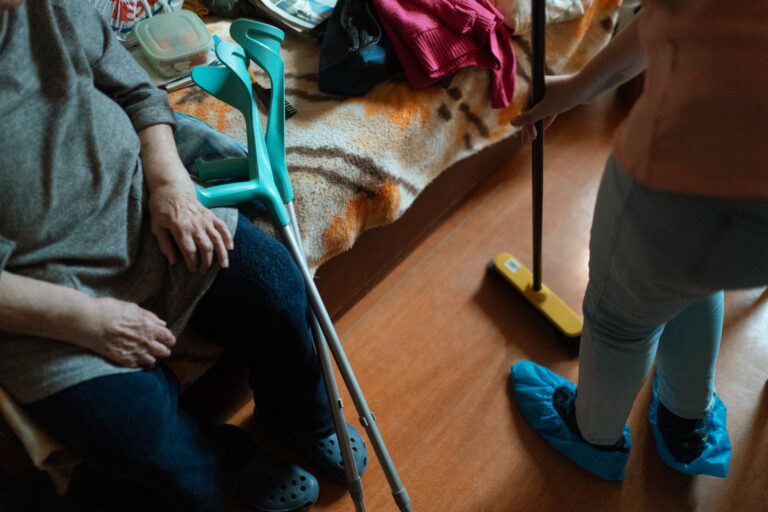
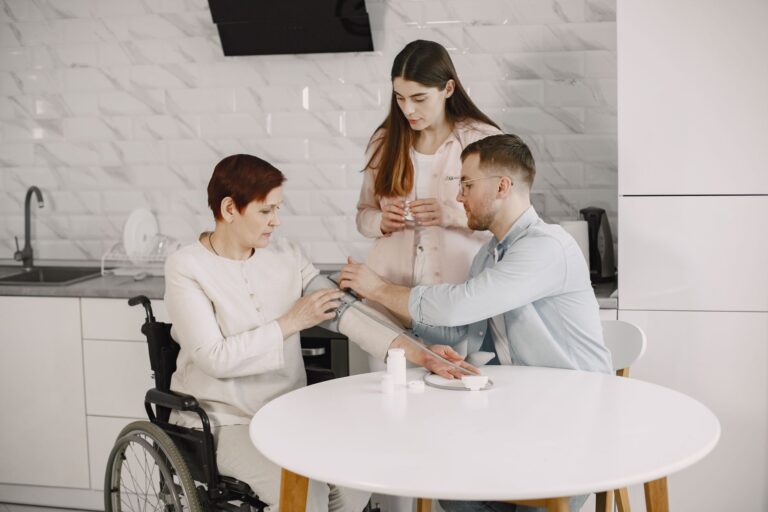
Shadowing a caregiver shows Alzheimer's care centers on steady memory loss and growing supervision, while other dementias shift the work toward hallucinations, behavior changes, or sudden drops in function. The core difference is what the caregiver watches for and guards against each day. Dementia means a loss of thinking skills that interferes with daily life. Shadowing means following the routine hour by hour, from meals and safety checks to mood shifts and sleep.
Medical information disclaimer: This article is for general educational purposes only and does not provide medical advice, diagnosis, or treatment. Always consult a physician or other qualified health professional about symptoms, medications, tests, or treatment decisions.
Table of Contents
- What does a day with Alzheimer's care involve?
- How is Lewy body dementia different to shadow?
- Why does frontotemporal dementia change the caregiver role?
- What should caregivers watch in vascular and mixed dementia?
What does a day with Alzheimer's care involve?
According to the Alzheimer's Association, Alzheimer's disease causes 60-80% of dementia cases and often starts with short-term memory loss, as described in the Association's guide to types of dementia. Care then tracks a gradual decline in language, judgment, and daily function. The caregiver repeats cues, simplifies choices, and takes on more household tasks. The middle stage drives the heaviest daily load. The U.S.
ASPE brief on non-Alzheimer's dementias and Association staging materials describe greater supervision for confusion, mood changes, and hands-on help. Expect slower mornings, missed steps in dressing or cooking, and more redirecting in the evening. A steady routine helps. Keep wake times, meals, and walks fixed. Break tasks into one step at a time and remove hazards before help is needed.
How is Lewy body dementia different to shadow?
Shadowing Lewy body care means tracking rapid shifts in attention and alertness, not only memory. According to the Lewy Body Dementia Association, up to 80% of patients develop visual hallucinations, along with REM sleep behavior disorder and Parkinson-like rigidity and slow movement. A person may seem clear at breakfast, confused at lunch, and clear again later. Movement and sleep shape safety. Stiffness raises fall risk, and vivid dreams can lead to thrashing or shouting at night.
Caregivers clear paths, use nightlights, and plan extra time for walking and transfers. Medication response is a sharp warning. According to the Lewy Body Dementia Association, an estimated 25-50% of patients show severe sensitivity to antipsychotics, with risk of worse cognition or neuroleptic malignant syndrome, as warned in the Association's emergency guidance on psychosis. Typical antipsychotics should be avoided. Bring a current drug list to urgent care and ask for Lewy-aware review before any new sedating drug.
Why does frontotemporal dementia change the caregiver role?
Frontotemporal dementia first harms behavior, personality, judgment, and language while memory may stay intact. According to the U.S. ASPE Issue Brief on Non-Alzheimer's Dementias, this contrast with Alzheimer's creates distinct strain around disinhibition, apathy, and communication loss, explained in the federal brief on non-Alzheimer's dementias. The caregiver manages social safety more than reminders. Daily scenes look different.
A person may speak bluntly, lose interest in hygiene, or struggle to find words. Caregivers set clear limits, shorten conversations, and offer yes-or-no choices or picture cards. Timing adds pressure. According to the Alzheimer's Association, frontotemporal dementia often starts at ages 45-65, when work, parenting, and mortgages still compete for time. Plan early for job leave, backup care, and money decisions.
What should caregivers watch in vascular and mixed dementia?
Vascular dementia follows blood-flow injury from strokes. The Los Angeles County Department of Mental Health describes abrupt onset with stepwise decline and plateaus, plus possible weakness or walking problems. A caregiver may see a sudden drop after a vascular event, then weeks of stable function.
Mixed dementia complicates the plan. Autopsy work cited by the Alzheimer's Association finds signs of more than one cause in up to 45% of dementia brains, most often Alzheimer's plus vascular change. A single-disease checklist may miss the full picture. Use these checks to adjust support:.
- Note date and trigger for each sudden change in thinking, speech, or walking.
- Track blood pressure, stroke signs, meds, and sleep in one log.
- Ask the care team which symptoms fit which cause, and what action each needs.
- Revisit safety aids after every step down, not only at diagnosis.