Airport security lines are slowly improving through new technology like touchless ID verification and CT scanners, but progress is being dramatically undermined by a staffing crisis tied to the ongoing government shutdown. As of March 2026, 50,000 TSA officers have been working without pay since February 14, leading over 300 to quit their jobs entirely. This perfect storm of innovation and disruption means travelers today face unpredictable wait times—sometimes 2+ hours at major hubs like Houston and Atlanta—even as the airports invest in systems that will eventually speed things up.
This article examines where airport security stands today, what improvements are coming, and what it means for travelers, especially older adults and those managing cognitive changes who find the stress and confusion of security lines particularly challenging. The reality is mixed: while airports are rolling out biometric technology and faster screening methods across the country, we’re currently in a bottleneck period where staffing shortages are overwhelming these improvements. Understanding both sides—the crisis happening now and the modernization happening in parallel—helps you plan travel more effectively and set realistic expectations.
Table of Contents
- What Technology Is Improving Airport Security?
- The Staffing Crisis Behind Slow Improvement
- Current Wait Times and Which Airports Are Hit Hardest
- Which Security Programs Actually Work Right Now
- The Risk of Unpredictable Waits During Peak Travel
- Special Considerations for Older Adults and Those with Cognitive Changes
- When Will Conditions Actually Improve?
- Conclusion
What Technology Is Improving Airport Security?
The TSA and airports across the country have begun deploying several upgrades designed to move travelers through security faster. TSA PreCheck Touchless ID is expanding to 50 additional airports by the end of spring 2026, growing from just 15 airports to 65 total. This biometric technology allows PreCheck members to have their identity verified through facial recognition rather than fumbling with documents and IDs—a particularly helpful development for anyone with arthritis, vision changes, or cognitive difficulty managing multiple items. Similarly, CLEAR e-gates, which use facial recognition for identity verification, are now operational at 37 U.S.
airports, with plans to equip all CLEAR-enabled checkpoints by the end of 2026. New York’s Terminal One at JFK, opening in 2026, will feature CT scanners and enhanced advanced imaging technology for faster screening of carry-on bags. However, here’s the catch: new technology is only as effective as staffing allows. A state-of-the-art CT scanner still requires trained TSA officers to monitor it, interpret results, and make screening decisions. At Houston’s airport in late March 2026, over 50% of TSA staff called in sick, and Atlanta and New Orleans saw around 33% absence rates—meaning even upgraded facilities couldn’t operate at full capacity.

The Staffing Crisis Behind Slow Improvement
The government shutdown that began February 14, 2026 created a crisis that overshadows technological progress. The 50,000 TSA officers working without pay began feeling the pressure immediately, and by late March, over 300 had quit entirely. These aren’t positions that fill quickly—TSA officers require background checks, training, and certification. The loss of experienced staff to quit-outs means remaining officers are stretched thinner, which reduces efficiency at security checkpoints even when technology is available.
This staffing shortage had real consequences during peak travel season. In the week of March 21, 2026, Houston’s TSA checkpoint had over 50% of staff absent, either quitting or calling in sick due to financial hardship. Atlanta and New Orleans weren’t far behind at approximately 33% absence rates. When this happens at major hub airports handling hundreds of thousands of passengers weekly, the math is simple: fewer people processing the same or greater volume equals longer lines. The technology improvements we’ll discuss are real and valuable, but they won’t solve the current crisis—only stabilized pay and full staffing will.
Current Wait Times and Which Airports Are Hit Hardest
As of late March 2026, the airports experiencing the longest delays are those already handling massive passenger volumes. Houston and Atlanta, both major domestic hubs, saw wait times exceeding 2 hours during peak travel periods. New Orleans advised arriving 3 hours before departure for flights during this period. These aren’t the only affected airports, but they illustrate what happens when staffing drops suddenly and travel demand remains high.
This matters for planning: if you live in or regularly fly through major hub airports, expect unpredictable wait times during this period. One day might see 45-minute lines; the next could push 2 hours depending on staff availability that day. For older adults, people with health conditions, or anyone managing cognitive or mobility challenges, this unpredictability is particularly stressful. Arriving earlier isn’t always safe advice because standing in airport environments for extended periods—exposed to variable temperatures, crowds, and confusing signage—can increase fatigue and disorientation.
Which Security Programs Actually Work Right Now
Three main programs can reduce your security screening time, but each has different requirements and limitations. TSA PreCheck costs $78-$85 for five years and offers dedicated security lanes, allowing you to keep shoes, belts, and light jackets on while leaving laptops and liquids in bags. The expansion to 65 airports by spring 2026 means more locations will have PreCheck lanes, but availability varies significantly. CLEAR, which costs around $189 per year, uses biometric (facial recognition or fingerprint) technology to verify identity, bypassing the ID-checking step. You still go through standard security screening—CLEAR just moves you to the front of the line.
As of March 2026, CLEAR operates at 37 U.S. airports, and the company has committed to equipping all CLEAR-enabled checkpoints by year-end. The trade-off: CLEAR is more expensive than PreCheck, and it doesn’t work at smaller airports. If you travel frequently through a major hub, the cost could justify itself; if you fly once or twice yearly through regional airports, it won’t help. A newer option is TSA ConfirmID, available since February 1, 2026, for $45. This allows travelers without acceptable identification—a real issue for people experiencing cognitive decline who may have lost documents—to use alternative identity verification at security.
The Risk of Unpredictable Waits During Peak Travel
Here’s what matters most for planning: wait times are currently unpredictable because they depend on daily staffing levels during a crisis period. Record travel volume is expected during March and April 2026, with 2.8 million passengers per day projected and 171 million passengers over these two months. This is peak spring break and Easter travel season. If you must fly during this window, understand that even “good” airports—ones with PreCheck, CLEAR, and modern technology—can experience sudden delays when staff shortages hit.
One specific warning: if you have memory concerns, cognitive difficulty, or anxiety, the stress of an unpredictable 2-hour security wait can be much more than an inconvenience. Extended waits in busy, loud airports can worsen confusion and increase behavioral distress. If someone you care for is traveling, consider whether they truly need to fly during this period, or whether delaying travel to May or later (when staffing should stabilize) makes sense. If travel is necessary, arrive much earlier than TSA’s current recommendations, budget extra time to rest before your flight, and bring comfort items—water, snacks, a quiet activity—to manage stress while waiting.

Special Considerations for Older Adults and Those with Cognitive Changes
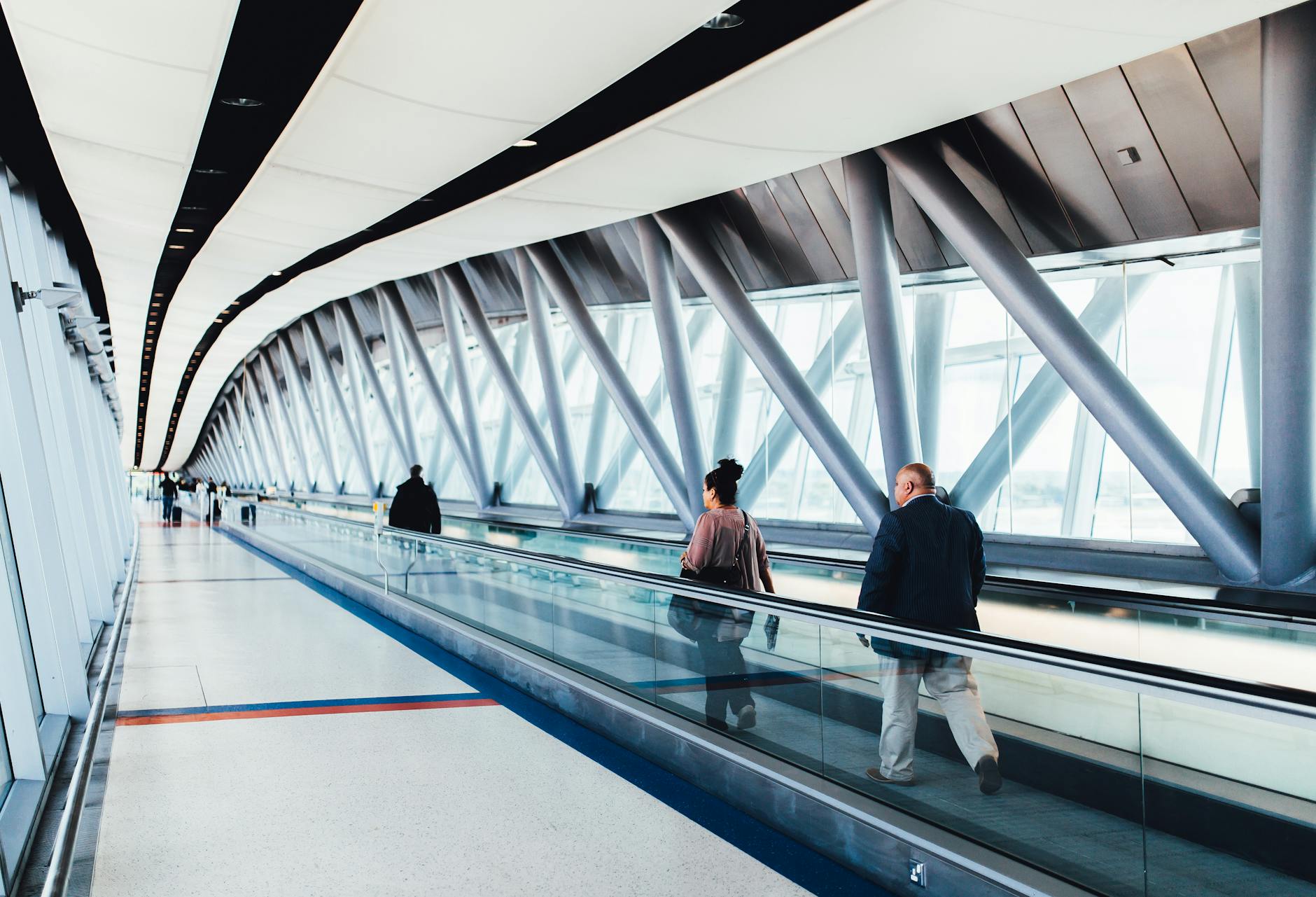
Airport security requires a sequence of steps: finding the right line, removing items from bags, placing items in bins, moving through machines, collecting belongings, and repacking. For someone experiencing memory loss or cognitive decline, this multi-step process under time pressure and in a noisy, crowded environment can be overwhelming.
When security lines stretch to 2+ hours, the physical and mental demands compound. Travel companions should plan ahead: walk through the security process beforehand if possible, use simple check-lists to track what needs to be removed and repacked, and consider whether PreCheck (which allows keeping shoes and jackets on, reducing steps) might be worth the cost specifically for your situation. If someone has significant cognitive concerns, having a younger family member handle the travel logistics and accompany them through security removes a major source of stress and reduces the risk of losing documents or becoming disoriented.
When Will Conditions Actually Improve?
Technology improvements have concrete timelines. TSA PreCheck Touchless ID will be at 65 airports by end of spring 2026—that’s in weeks from late March. CLEAR is committed to full expansion by end of 2026. New Terminal One at JFK opens in 2026 with CT scanners. But the staffing crisis will resolve only when government funding is restored and back pay reaches TSA officers.
This isn’t a technology problem with a software update—it requires congressional action and time for new officers to be hired, vetted, and trained. The best-case scenario: government shutdown ends quickly, TSA staff return to normal, and by late spring 2026 you see a genuine improvement in security line speeds. Technology enhancements then compound that improvement. Worst-case: the shutdown extends, more officers quit, and summer travel season becomes chaotic. Most likely: the shutdown ends in April or May, staffing gradually stabilizes over summer, and real improvements emerge by late summer and fall 2026. Plan travel with this timeline in mind—if you have flexibility, delaying until June or later may mean shorter, more predictable lines.
Conclusion
Airport security lines are improving through smart technology deployment, but that progress is currently masked by a staffing crisis from the government shutdown. Touchless ID, CLEAR biometric gates, and CT scanners at new terminals represent genuine modernization that will eventually speed screening. However, until the government shutdown ends and TSA staffing levels recover, expect unpredictable wait times—sometimes 2+ hours at major hubs—during peak travel periods. For older adults and anyone managing cognitive challenges, this unpredictability is more than an inconvenience; it’s a stressor that can affect travel safety and well-being.
If you must fly during spring 2026, arrive significantly earlier than standard recommendations, consider whether TSA PreCheck ($78-85) might reduce stress by simplifying the process, and bring support—whether that’s a family member, comfort items, or simple written reminders of each step. If your travel is flexible, waiting until late May or June may reward you with shorter lines and less stress. As technology improvements roll out through spring and staffing stabilizes in early summer, conditions will improve substantially. For now, plan ahead and build in extra time.