Reviewed by the Help Dementia Editorial Team — our editors review every article for accuracy against guidance from the National Institute on Aging, the Alzheimer’s Association, and peer-reviewed sources.
Scientists reveal sits at the center of this dementia and brain health question.
Scientists have made significant progress in understanding how Alzheimer’s disease develops and progresses, identifying multiple biological pathways that trigger memory loss and cognitive decline. Recent research from 2026 has revealed that Alzheimer’s isn’t driven by a single cause—instead, it emerges from a combination of factors including amyloid-beta buildup, tau tangles, genetic predisposition, aging, and broader health conditions working together over time. These discoveries are opening doors to earlier detection through blood tests and to new treatments that target the specific mechanisms driving the disease. The findings come at a critical moment.
Currently, 7.4 million Americans age 65 and older have Alzheimer’s disease, with one in nine people in that age group living with the condition. The disease now kills more Americans than previously understood, with 116,022 deaths recorded in 2024—making it the sixth leading cause of death nationwide and the fifth among those over 65. Without medical breakthroughs, that number is projected to reach 13.8 million Americans by 2060, straining families and healthcare systems. But the new research suggests that earlier detection and intervention strategies may be able to slow or even prevent the disease before symptoms appear.
Table of Contents
- What Are Blood Biomarkers and Why Do They Matter for Early Detection?
- The “Death Switch”—How Toxic Protein Pairing Destroys Brain Cells
- Inside the Brain—Tanycytes, Copper, and Cellular Cleanup
- Emerging Drug Targets and New Treatment Pathways
- Understanding Alzheimer’s as a Multi-Factor Disease
- The Hidden Crisis of Caregiving and Economic Burden
- The Road Ahead—Prevention, Detection, and Personalized Medicine
- Conclusion
What Are Blood Biomarkers and Why Do They Matter for Early Detection?
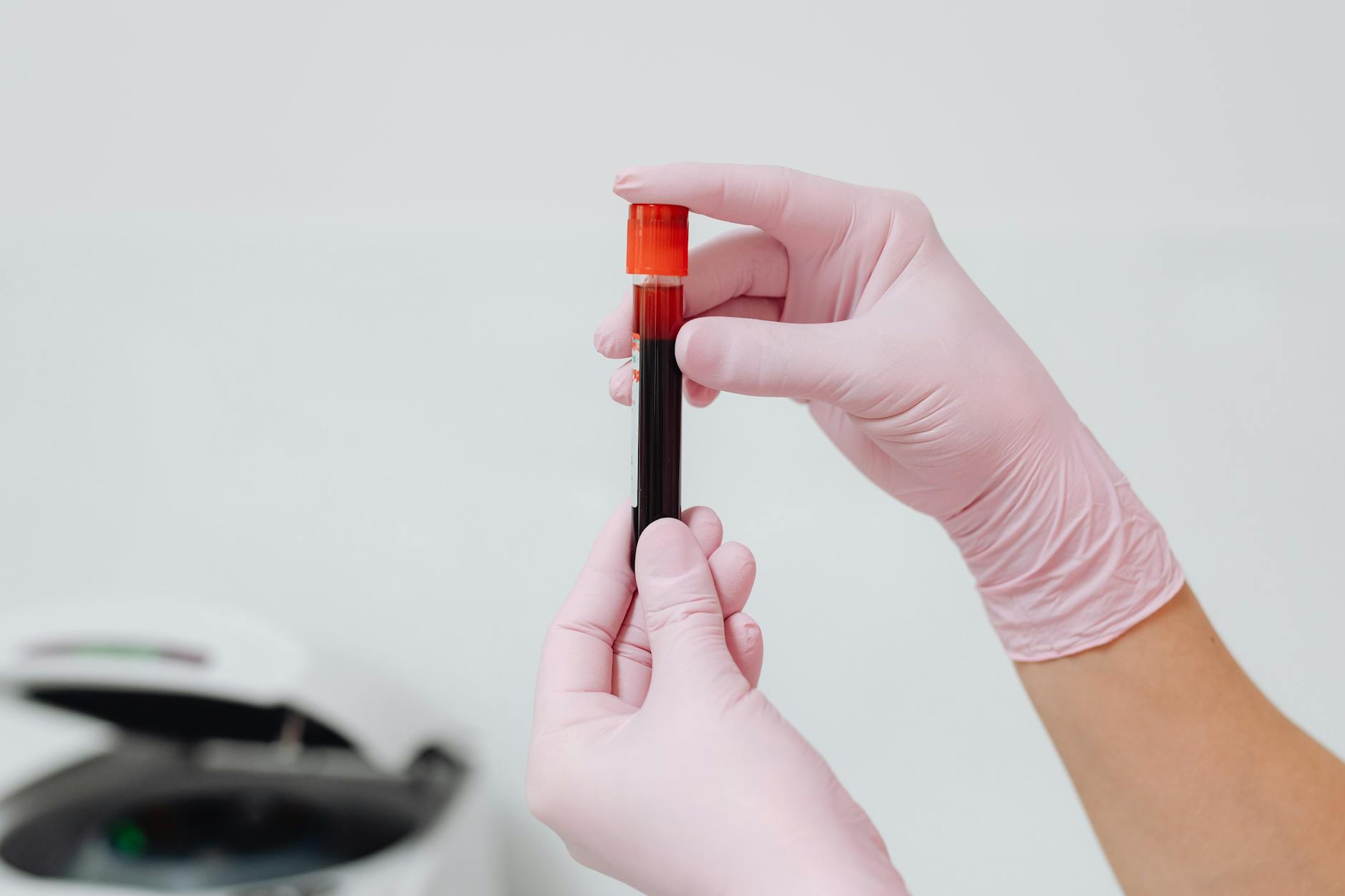
One of the most promising recent discoveries involves blood-based biomarkers—proteins that signal Alzheimer’s pathology long before memory problems emerge. researchers have identified three blood proteins with structural differences that track disease progression, potentially enabling detection before a person experiences any cognitive symptoms. This is a game-changer because it means doctors could eventually identify at-risk individuals during routine blood work, decades before Alzheimer’s would typically be diagnosed through memory tests.
The advantage is significant: traditional diagnosis has relied on waiting for memory loss to become obvious, at which point considerable brain damage has already occurred. A 75-year-old diagnosed with Alzheimer’s may have had amyloid plaques accumulating in their brain for 20 years or more before symptoms appeared. Blood biomarkers could shift that timeline earlier, potentially catching the disease when interventions are most likely to help. However, identifying a biomarker in someone’s blood raises its own challenges—millions of older adults might test positive but never develop symptoms, creating difficult decisions about whether to start treatment before any cognitive decline appears.
The “Death Switch”—How Toxic Protein Pairing Destroys Brain Cells
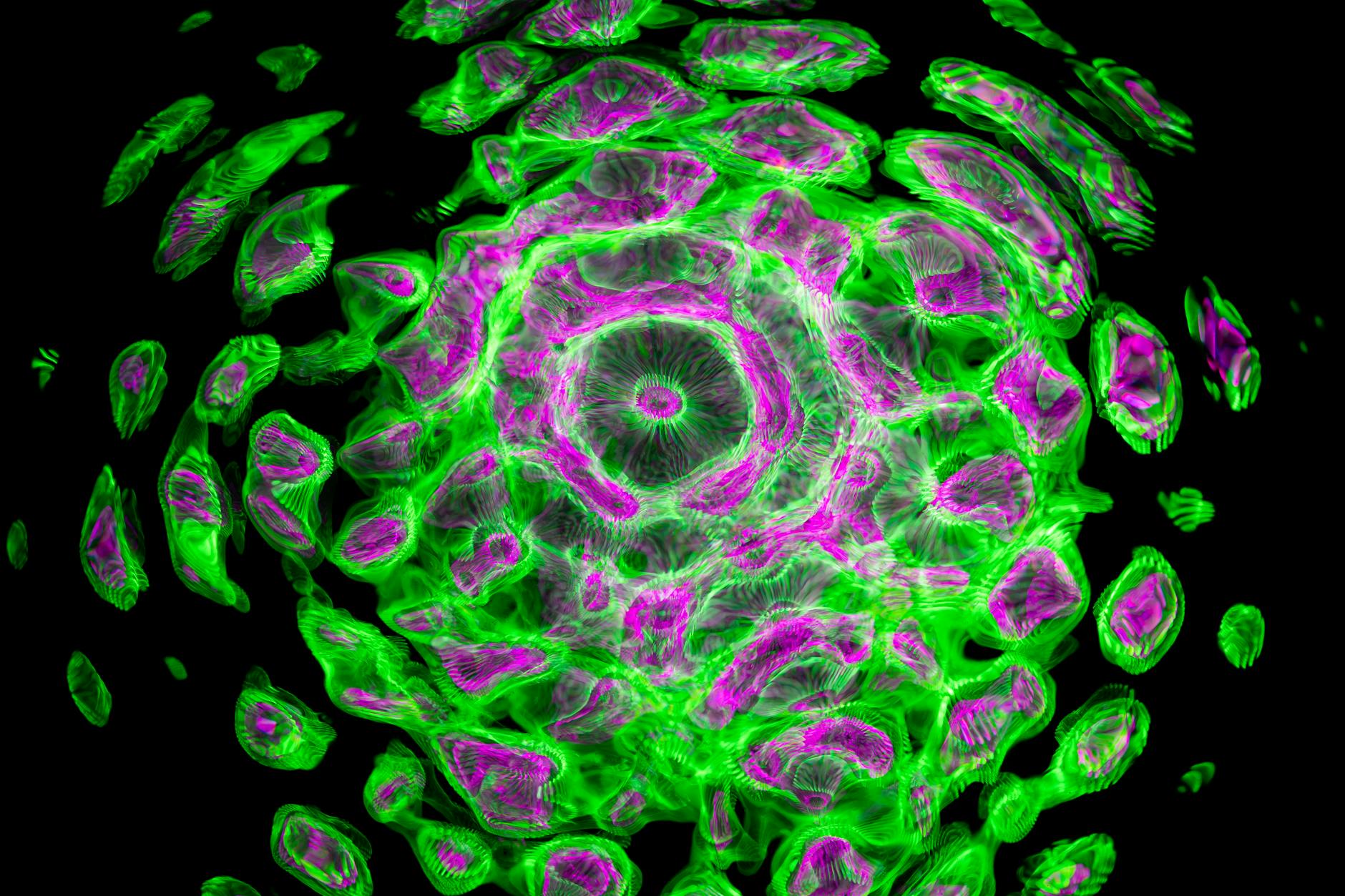
In March 2026, researchers discovered what they’re calling a “death switch”—a toxic pairing of proteins that triggers brain cell destruction and memory loss. scientists found that when two specific proteins interact abnormally, they activate a cascade that kills neurons and impairs the connections necessary for memory formation and recall. More importantly, researchers developed a compound that can break apart this deadly protein duo, slowing disease progression in research models.
This discovery is groundbreaking because it identifies a specific mechanism of harm that can potentially be stopped or reversed. Rather than just slowing amyloid accumulation—the approach of many current drugs—this new compound targets the actual process by which proteins kill brain cells. The limitation, of course, is that the research remains in preclinical stages. It works in laboratory and animal studies, but moving from mouse models to human trials takes years, involves regulatory approval, and often reveals unexpected safety or efficacy issues that weren’t apparent in earlier studies.
Inside the Brain—Tanycytes, Copper, and Cellular Cleanup
Deeper investigation into Alzheimer’s mechanisms has revealed that specialized brain cells called tanycytes play an important role in clearing toxic tau proteins—the second major hallmark of Alzheimer’s alongside amyloid plaques. Maintaining healthy tanycytes may help the brain’s natural cleanup systems work better, potentially limiting disease progression. Separately, researchers at Oregon State University captured real-time chemical interactions showing how metal ions, especially copper, can trigger the harmful protein folding and aggregation that characterizes Alzheimer’s. This suggests that managing dietary and environmental copper exposure might be one factor in disease prevention.
Understanding these cellular processes provides insight into why Alzheimer’s develops differently in different people. Someone with robust tanycyte function and lower copper exposure might resist the disease longer than someone whose brain’s cleanup systems are already compromised by aging or other health problems. However, the relationship between copper and Alzheimer’s is complex—copper is also essential for proper brain function, so simply avoiding copper isn’t a viable prevention strategy. The goal is understanding optimal copper levels and protecting the cells responsible for clearing toxic proteins.
Emerging Drug Targets and New Treatment Pathways
Indiana University researchers identified an enzyme called IDOL as a promising drug target. When IDOL was removed from neurons in research models, amyloid plaques decreased substantially, suggesting that blocking this enzyme might slow disease progression. This discovery represents a shift in how researchers think about treating Alzheimer’s—instead of targeting amyloid directly, they’re finding ways to enhance the brain’s natural ability to clear it.
Separately, Harvard researchers found that lithium orotate, a natural brain compound, prevented and reversed Alzheimer’s pathology and memory loss in mouse models, pointing to a potential low-cost intervention. The appeal of these approaches is that they work through different mechanisms than current Alzheimer’s drugs like lecanemab and donanemab, which target amyloid in the bloodstream. Multiple drugs attacking the same problem through different pathways provide more options if one approach doesn’t work or causes side effects. The challenge is that mouse studies often don’t translate directly to humans—compounds that work in carefully controlled laboratory conditions may fail in the complexity of human brains with years of accumulated damage, genetic variation, and other health conditions.
Understanding Alzheimer’s as a Multi-Factor Disease
April 2026 research reinforced a crucial insight: Alzheimer’s disease arises from the combined effects of multiple factors—amyloid-beta accumulation, tau tangles, genetic risk factors, normal aging processes, and broader health conditions like cardiovascular disease, diabetes, and hypertension. This multi-factor model explains why preventing or slowing Alzheimer’s likely requires addressing several mechanisms simultaneously rather than relying on a single drug or intervention. This understanding also explains a critical limitation of current research and treatments: a compound that works perfectly to clear amyloid might fail to slow cognitive decline if tau pathology, neuroinflammation, or vascular damage is driving the disease in a particular person.
It’s why some patients respond well to new Alzheimer’s drugs while others see minimal benefit. Clinical trials now explicitly measure multiple biomarkers and brain imaging findings, recognizing that Alzheimer’s isn’t one disease but a syndrome with multiple underlying causes. For people considering preventive approaches or evaluating treatment options, this means that a one-size-fits-all strategy is unlikely to work—personalized assessment of individual risk factors and disease pathology is increasingly important.

The Hidden Crisis of Caregiving and Economic Burden
Behind these scientific advances lies an enormous caregiving crisis. Nearly 13 million Americans provide unpaid care for people with Alzheimer’s—roughly one caregiver for every person with the disease. In 2025 alone, those caregivers provided over 19 billion hours of care, with an estimated value of $446 billion. Meanwhile, the financial cost of Alzheimer’s care is projected to reach $409 billion in 2026, with Medicare and Medicaid covering $263 billion and families paying $103 billion out-of-pocket. For many families, caring for a parent with Alzheimer’s means leaving the workforce entirely, sacrificing retirement savings and decades of career advancement.
The demographic challenge adds urgency to these discoveries. Almost two-thirds of Americans with Alzheimer’s are women, and women also provide the majority of unpaid caregiving. A 45-year-old woman faces a one-in-five lifetime risk of developing Alzheimer’s—the same odds as a man’s risk of prostate cancer. For women in this situation, the hope offered by new research isn’t abstract; it’s deeply personal. Earlier detection and effective treatments could prevent family catastrophes, preserve independence, and redirect billions of dollars now spent on late-stage care toward prevention and early treatment.
The Road Ahead—Prevention, Detection, and Personalized Medicine
The convergence of these discoveries points toward a future where Alzheimer’s is increasingly preventable or treatable in its earliest stages. Blood biomarkers could enable screening programs similar to those for cardiovascular disease, identifying people years or decades before symptoms appear. Multiple new drugs and approaches in development target different disease mechanisms, suggesting that combination therapies may become standard treatment rather than monotherapy with a single drug.
Genetic testing, biomarker assessment, and brain imaging could help identify which mechanisms are driving disease in a particular person, allowing personalized treatment selection. This vision depends on continued research funding, clinical trials that test whether laboratory discoveries translate to human benefit, and healthcare systems willing to adopt early screening and intervention. It also requires managing expectations—many promising research findings don’t lead to useful treatments, and even effective treatments work best when disease is caught early, before extensive brain damage has accumulated. For families facing Alzheimer’s today, these advances offer hope without guarantees, highlighting why current prevention strategies—managing cardiovascular health, staying mentally and physically active, maintaining cognitive engagement, ensuring quality sleep—remain essential while research continues.
Conclusion
Scientists have made remarkable progress identifying how Alzheimer’s develops, revealing multiple biological mechanisms that could be targeted with new drugs and approaches. Blood biomarkers offer the possibility of earlier detection, cellular research has uncovered specific toxins driving brain cell death, and drug development efforts are advancing multiple pathways that might slow or prevent the disease. Yet this progress arrives against a sobering backdrop: nearly 13 million unpaid caregivers managing 7.4 million Americans with Alzheimer’s, costs approaching $409 billion annually, and projections showing the disease affecting nearly 14 million people by 2060 without intervention. The gap between laboratory discovery and real-world treatment availability remains significant.
Compounds that work in mice often fail in humans. Drugs that slow cognitive decline in some patients show minimal benefit for others. But the diversity of new approaches being tested—targeting blood biomarkers, toxic proteins, metal interactions, cellular cleanup, and multiple downstream mechanisms—suggests that future treatment will move away from single-drug approaches toward personalized medicine based on individual disease biology. For families, the practical takeaway is clear: talk with healthcare providers about dementia risk assessment, manage cardiovascular and metabolic health, stay cognitively and physically active, and follow emerging research on early detection as it becomes available. The scientific clues are accumulating, and they’re pointing toward better outcomes for those willing to act on them early.
You Might Also Like
- Scientists Uncover Protein Disruption Linked to Alzheimer’s Progression
- Scientists Explore New Way to Deliver Alzheimer’s Treatment Through Eyes
- Scientists Identify Key Biomarker That Could Predict Alzheimer’s Earlier
For more, see NIH MedlinePlus — dementia.