Reviewed by the Help Dementia Editorial Team — our editors review every article for accuracy against guidance from the National Institute on Aging, the Alzheimer’s Association, and peer-reviewed sources.
Scientists reveal sits at the center of this dementia and brain health question.
Corn oil has emerged as a concern for brain health, particularly due to its high omega-6 content and the inflammatory effects this can trigger in the brain. A 2020 review published in *Nutrients* linked excessive omega-6 intake—abundant in corn oil and other seed oils—to a greater risk of cognitive decline and mental health disorders. For someone whose family has a history of dementia, or who is already concerned about cognitive aging, understanding how cooking oils affect brain function matters.
The typical Western diet presents a particular problem: it’s heavily skewed toward omega-6 polyunsaturated fats from vegetable and seed oils while remaining dangerously low in omega-3s, creating an imbalance that research suggests may accelerate brain aging. However, the story is more complicated than headlines suggest. Recent large-scale studies from 2024-2025, including a major investigation across three decades of data from Johns Hopkins Bloomberg School of Public Health, found that people consuming more plant-based oils actually experienced lower overall mortality rates. The evidence on corn oil and brain health specifically isn’t as definitive as some claim, but the research does point to legitimate concerns worth understanding—and actionable steps you can take today.
Table of Contents
- Why Does Corn Oil Raise Concerns for Brain Health?
- The Oxidation Problem: Heating Corn Oil Changes Its Chemistry
- The Western Diet Imbalance and Brain Aging
- What Recent Research Shows—A More Nuanced Picture
- Heat, Storage, and Practical Oxidation Concerns
- Better Alternatives for Brain-Protective Cooking
- The Complexity of Nutrition Science and Future Understanding
- Conclusion
Why Does Corn Oil Raise Concerns for Brain Health?
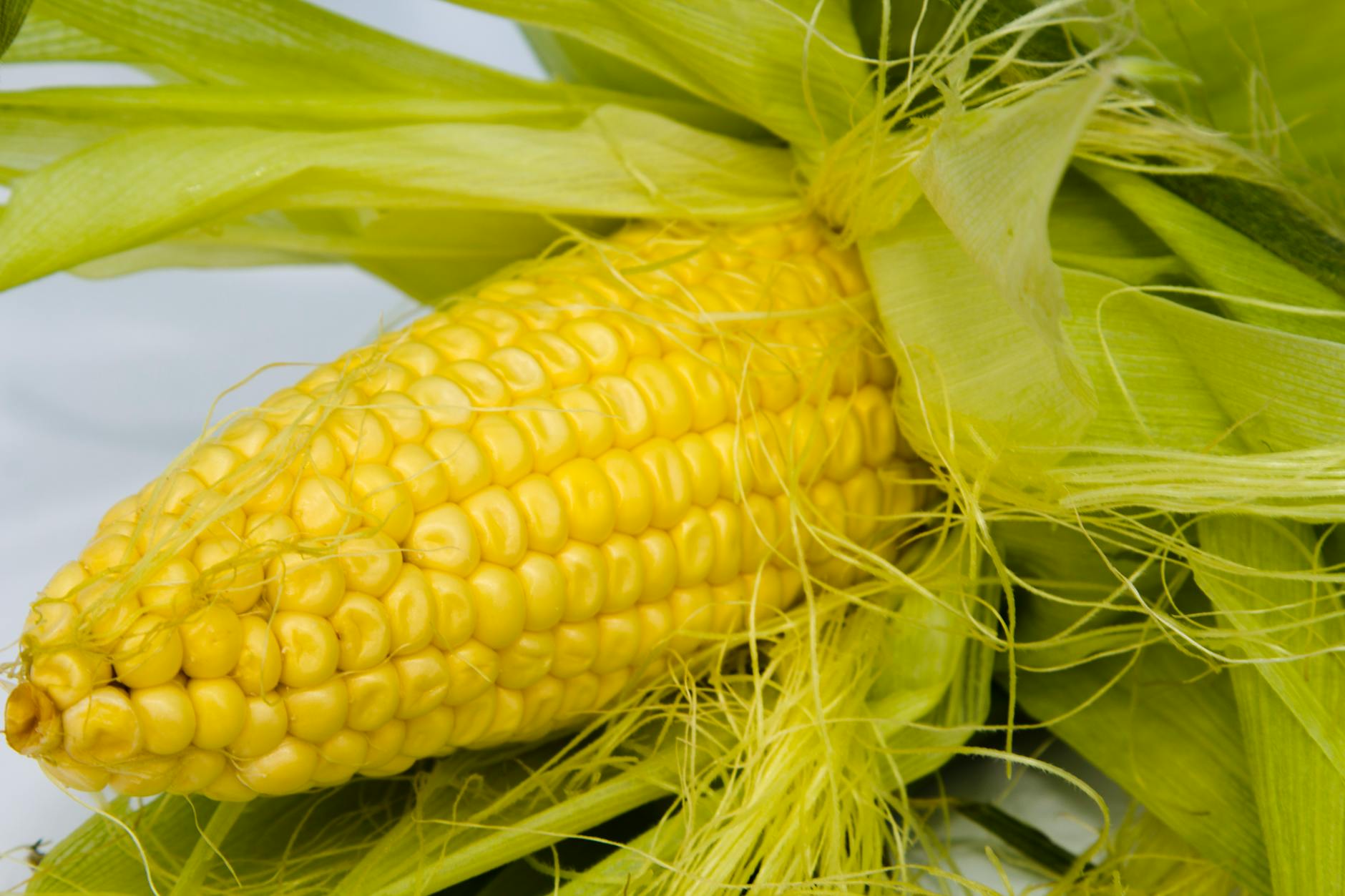
Corn oil is composed primarily of linoleic acid, an omega-6 polyunsaturated fat. When consumed in excessive amounts, linoleic acid can shift your body’s fatty acid balance dangerously out of proportion to omega-3 intake. Your brain requires both types of fats, but the ratio matters enormously. The ideal ratio of omega-6 to omega-3 is somewhere between 1:1 and 4:1, according to most nutrition research. The average American diet contains a ratio closer to 16:1 or higher—heavily skewed toward omega-6. This imbalance appears to promote inflammation throughout the body, including the brain, where chronic inflammation is a known contributor to cognitive decline and neurodegenerative diseases.
The 2020 *Nutrients* review highlighted that high omega-6 intake correlates with increased risk of mental health disorders and cognitive dysfunction. Research from UC Davis and other institutions showed that excessive linoleic acid in the brain can interfere with cellular signaling and promote an inflammatory state. Unlike the temporary inflammation from an injury that helps your body heal, this chronic, low-grade inflammation in the brain seems to damage neurons over time. For someone concerned about dementia risk, this distinction matters: you’re not worried about acute inflammation, but rather the slow, sustained damage from an unbalanced diet. What makes corn oil particularly problematic isn’t linoleic acid itself—it’s the *amount* Americans consume. Corn oil is incredibly cheap and widely used in processed foods, fried foods, salad dressings, and cooking. Someone eating fast food, processed snacks, or restaurant meals multiple times per week may consume more omega-6 from corn oil in a week than previous generations consumed in a month.
The Oxidation Problem: Heating Corn Oil Changes Its Chemistry
When corn oil is heated—especially at the high temperatures used for frying or sautéing—the linoleic acid molecules oxidize, breaking down into harmful compounds called oxidized linoleic acid metabolites (OXLAMs). This oxidation process is not hypothetical: it happens chemically at around 300°F and increases significantly above that temperature. Research from UC News found that when rats consumed oxidized corn oil, it caused genetic changes in the brain related to inflammation and neurological function. These oxidative products appear to be more problematic for brain health than the unoxidized linoleic acid found in raw seeds or unheated oil. This creates a practical problem. Most people don’t consume corn oil raw—they cook with it.
Deep frying, pan frying, and even standard stovetop cooking all create the conditions for oxidation. A single meal of fried chicken prepared in corn oil exposes you to these oxidized metabolites. The concern isn’t just about the linoleic acid content itself, but about what happens to that oil when exposed to heat, oxygen, and time. The limitation here is that this research, while suggestive, comes largely from pre-clinical studies (animal models and laboratory research) rather than large-scale clinical trials in humans. We know oxidation happens, and we have early evidence it may affect the brain, but the long-term human health impact remains incompletely understood. This is an important distinction: suggestive evidence warrants caution, but it isn’t yet conclusive proof of harm.
The Western Diet Imbalance and Brain Aging
The corn oil problem exists within a larger dietary context. The Western diet is designed, quite literally, to maximize the use of cheap seed oils. Industrial food production relies on corn, soybean, and canola oils for cost efficiency. A single processed food product might contain multiple seed oils. Someone consuming a typical Western diet—breakfast cereal with corn oil, a sandwich with mayonnaise made from soybean oil, fried lunch items, packaged snacks, and dinner prepared in corn oil—may consume 15-20 grams of linoleic acid daily. By contrast, someone eating a traditional Mediterranean diet might consume 5-8 grams daily from whole foods like nuts and olive oil.
This accumulation matters because omega-6 and omega-3 fats compete for incorporation into brain cell membranes. When omega-6 dominates, omega-3s get crowded out. Omega-3 fats (EPA and DHA, primarily from fish or algae supplements) are crucial for brain plasticity, cognitive function, and protection against neuroinflammation. When your diet is 16:1 or 20:1 omega-6 to omega-3, you’re essentially starving your brain of the fats it needs while flooding it with inflammatory precursors. Studies of older adults with cognitive decline often reveal dietary patterns heavy in processed foods and light in omega-3 sources. The practical warning: this isn’t about demonizing a single oil. It’s about recognizing that a small dietary shift—reducing processed foods, cooking with olive oil or avocado oil instead, eating fish twice weekly—can meaningfully improve your fatty acid balance and potentially protect cognitive function.

What Recent Research Shows—A More Nuanced Picture
While the omega-6 concerns are legitimate, the most recent evidence complicates the narrative. A major 2025 study published in *JAMA* and analyzed by Johns Hopkins Bloomberg School of Public Health followed over 100,000 people across three large cohorts over 33 years. The finding: people consuming higher amounts of plant-based oils (including canola, soybean, and olive oil) had lower total mortality rates compared to those consuming less. This wasn’t a small effect—the risk reduction was meaningful and consistent across different demographic groups. Additionally, recent research from Stanford University on linoleic acid specifically found that higher intake of this omega-6 fat was associated with lower risk of cardiovascular disease, heart attack, stroke, and type 2 diabetes compared to saturated fats.
These cardiovascular improvements matter for brain health because heart disease and stroke are major risk factors for cognitive decline and vascular dementia. The implication is important: plant oils, despite their omega-6 content, may offer net health benefits compared to the alternatives (saturated fats or highly processed carbohydrates). This creates a tension worth acknowledging: the 2020 research on omega-6 and inflammation is real, but it may be incomplete. The 2025 data suggests that in comparison to other dietary options actually available to people, plant-based oils perform reasonably well. The issue may not be plant oils themselves, but rather the broader dietary context—excessive consumption of processed foods, coupled with low omega-3 intake and physical inactivity.
Heat, Storage, and Practical Oxidation Concerns
The oxidation issue deserves a deeper look because it’s actionable. Corn oil’s vulnerability to oxidation depends on temperature, duration of heating, oxygen exposure, and light exposure. Deep frying at 350°F+ causes rapid oxidation. Stovetop cooking at moderate heat (around 350°F) causes slower oxidation over several minutes. Leaving oil exposed to light (like in a clear plastic bottle on the shelf) causes gradual oxidation over weeks or months. An opened bottle of corn oil sitting on your pantry shelf for six months has likely oxidized significantly, even without heating.
This matters because oxidation is cumulative. Every oxidative stress event—from heated oil, from processed foods, from exposure to pollution—contributes to your brain’s inflammatory burden. If you’re eating fried foods prepared in corn oil two or three times weekly, plus consuming processed foods with corn oil, you’re exposing your brain to repeated hits of oxidized linoleic acid. For someone over 60, or with a family history of cognitive decline, this repeated exposure may accelerate brain aging beyond what the research currently quantifies. The practical warning is this: if you choose to use corn oil, use it for low-heat applications only (salad dressings, room-temperature uses). Store it in a dark bottle away from light and heat. Better yet, choose oils more resistant to oxidation—olive oil, avocado oil, or coconut oil—for cooking.

Better Alternatives for Brain-Protective Cooking
Extra virgin olive oil remains the most evidence-supported oil for brain health, primarily because it’s rich in polyphenols (antioxidant compounds) in addition to having a more favorable omega-6 to omega-3 ratio than corn oil. Mediterranean populations, which consume large amounts of olive oil, have the lowest dementia rates in the world. A Harvard study specifically found that regular olive oil consumption was associated with a lower risk of dementia and better cognitive outcomes in aging adults. Avocado oil, walnut oil, and small amounts of coconut oil offer alternatives with different nutritional profiles.
For cooking, avocado oil has a higher smoke point than olive oil (around 520°F versus 375°F), making it more oxidation-resistant at higher temperatures. If you’re switching away from corn oil, avocado oil or refined olive oil for higher-heat cooking, paired with extra virgin olive oil for salads and finishing, covers most kitchen needs. For people concerned about dementia specifically, the evidence suggests that the type of oil matters less than the broader dietary pattern. Combining any reasonable oil choice with regular fish consumption (or algae supplements for omega-3s), plenty of vegetables, whole grains, and nuts creates the dietary foundation that actually shows up in dementia research as protective.
The Complexity of Nutrition Science and Future Understanding
The corn oil story illustrates something important about nutrition research: headline claims often oversimplify. Yes, corn oil’s linoleic acid and oxidation products may promote brain inflammation. Yes, Western diets contain far too much omega-6. But also: plant-based oils appear better for overall health than the saturated-fat-heavy alternatives, and large-scale evidence shows people consuming more plant oils live longer overall.
Both things can be true. The field is moving toward more nuanced understanding. Future research will likely clarify whether the problem is corn oil specifically, excessive linoleic acid generally, oxidized metabolites from cooking, or simply the broader imbalance of the modern diet. What won’t change: eating whole foods, balancing omega-6 and omega-3 intake, and choosing less-processed options protects the brain better than any single oil choice does.
Conclusion
Scientists have identified legitimate concerns about corn oil and brain health, centered on its high omega-6 content and the inflammatory metabolites created when it’s heated. For someone concerned about cognitive aging and dementia, reducing reliance on corn oil—particularly fried foods prepared in it—makes sense. However, the evidence doesn’t support corn oil as uniquely dangerous compared to other aspects of modern eating patterns.
The real issue is dietary imbalance: too much omega-6 from processed sources, too little omega-3, and insufficient whole foods. A practical step forward: switch your cooking oil to extra virgin olive oil or avocado oil, increase fish consumption or take an omega-3 supplement, and reduce processed foods where corn oil hides in plain sight. These changes address the underlying imbalance rather than simply avoiding one oil. For long-term brain health, these dietary shifts—combined with exercise, cognitive engagement, and quality sleep—matter more than perfect adherence to any single rule about which oil to use.
You Might Also Like
- Scientists Reveal soybean oil Is One of the Worst Foods for Brain Health
- Scientists Reveal canola oil Is One of the Worst Foods for Brain Health
- Scientists Reveal whole grains Is One of the Worst Foods for Brain Health
For more, see Alzheimer’s Association — clinical trials.