Reviewed by the Help Dementia Editorial Team — our editors review every article for accuracy against guidance from the National Institute on Aging, the Alzheimer’s Association, and peer-reviewed sources.
Scientists reveal sits at the center of this dementia and brain health question.
The headline claiming beets are “one of the worst foods for brain health” is misleading and contradicted by scientific evidence. In fact, the opposite is true: multiple peer-reviewed studies demonstrate that beets are among the most beneficial foods you can eat for cognitive function and dementia prevention. A landmark 2010 study from Wake Forest University found that beet juice increased blood flow to the frontal lobes—the brain regions most vulnerable to dementia—by 21% in older adults, suggesting that a simple dietary addition could meaningfully affect brain aging.
This misconception likely arose from confusion between naturally occurring nitrates in vegetables like beets and the harmful nitrates found in processed meats. When you consume a beet, your body converts its natural nitrates into nitric oxide, a molecule that dilates blood vessels and delivers more oxygen to your brain. When you consume processed deli meats or cured products, you’re getting chemical additives that work differently in your body and carry documented health risks. Understanding this distinction is crucial for anyone concerned about brain health.
Table of Contents
- What Does the Research Actually Say About Beets and Brain Function?
- How Do Beets Protect Brain Health at the Cellular Level?
- What’s the Difference Between Nitrates in Beets and Nitrates in Processed Meat?
- How Much Beet Juice or Beetroot Should You Consume for Brain Benefits?
- What Other Foods and Habits Actually Harm Brain Health?
- Can Beets Help if You Already Have Cognitive Decline or Dementia?
- Building a Brain-Healthy Diet Around Protective Foods
- Conclusion
What Does the Research Actually Say About Beets and Brain Function?
The scientific case for beets protecting brain health is substantial. A 2023 double-blind, placebo-controlled clinical trial found that participants taking a chewable beetroot supplement showed significant improvements in immediate recall, delayed recall, and frontal lobe function compared to those taking a placebo. This wasn’t a small effect or marginal improvement—it was measurable cognitive enhancement in the very functions that decline with age and neurodegenerative disease.
Separately, epidemiological research published in peer-reviewed journals found that people consuming higher amounts of plant-based nitrates (approximately 98 milligrams per day) had a 57% lower risk of dementia-related mortality, while those getting nitrates specifically from vegetables showed a 66% lower risk. A 2017 study from the University of Texas added another dimension to this evidence: when older adults combined beetroot juice consumption with exercise, their brain networks began to resemble those of younger people. This suggests that beets don’t just passively protect the brain—they may actively support the neural plasticity and connectivity that younger brains naturally maintain. For someone worried about cognitive decline, this represents not just disease prevention but potential cognitive enhancement.

How Do Beets Protect Brain Health at the Cellular Level?
The mechanism behind beets’ brain benefits centers on nitric oxide, a signaling molecule that regulates blood vessel function. Beets are exceptionally rich in inorganic nitrates, which your mouth and digestive system convert into nitric oxide. This molecule then diffuses into blood vessel walls, causing them to relax and dilate—a process called vasodilation.
When blood vessels expand, more blood reaches your brain tissue, delivering additional oxygen and nutrients to neurons that are working hard to process information, form memories, and maintain cognitive function. This is particularly important in aging because blood flow to the brain naturally decreases with age, and reduced cerebral blood flow is a consistent marker in people with cognitive decline and Alzheimer’s disease. By eating foods that boost nitric oxide production, you’re directly counteracting one of the biological processes that leads to dementia. One important limitation: if you have certain medical conditions, take specific medications (particularly blood pressure medications), or have low blood pressure, you should consult your doctor before significantly increasing beetroot consumption, as the vasodilatory effects could interact with your treatment.
What’s the Difference Between Nitrates in Beets and Nitrates in Processed Meat?
This distinction explains much of the confusion. Processed meats like bacon, deli turkey, and hot dogs contain sodium nitrite and sodium nitrate—chemical preservatives added during manufacturing. These additives undergo different metabolic pathways in your body and produce compounds like nitrosamines, which are carcinogenic and inflammatory. The research linking processed meat consumption to depression, cardiovascular disease, and poor health outcomes is robust and well-established. Beets, by contrast, contain naturally occurring inorganic nitrates that your body efficiently converts to beneficial nitric oxide without producing harmful byproducts.
Think of it this way: the nitrate molecule itself isn’t the villain. Context matters enormously. A nitrate coming from a vegetable full of antioxidants, fiber, and micronutrients works beneficially in your body. A nitrate added as a preservative to processed meat, combined with saturated fat, sodium, and carcinogens from cooking at high temperatures, works against your health. If someone read a headline warning against “nitrates” without this context, they might reasonably become confused about whether to eat beets—but the evidence strongly supports including them.
How Much Beet Juice or Beetroot Should You Consume for Brain Benefits?
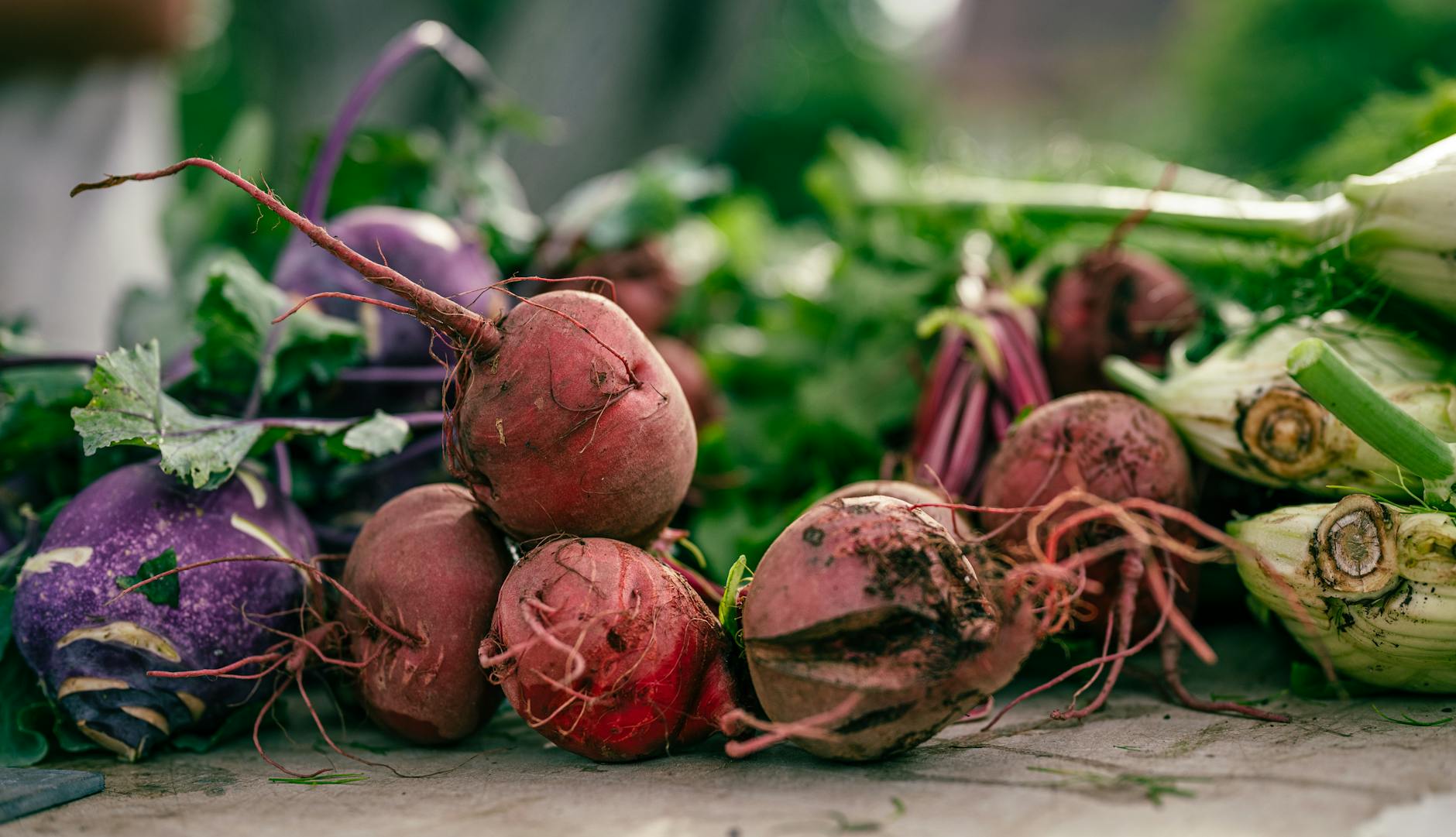
The research suggesting brain benefits typically used specific doses of beetroot juice. The Wake Forest study that showed a 21% increase in frontal lobe blood flow used about 16 ounces of beet juice daily. The 2023 clinical trial used a chewable beetroot supplement. For practical purposes, most experts recommend starting with about 500 milliliters (roughly 17 ounces) of fresh beet juice several times per week, or incorporating one medium raw beet (about 100 grams) into salads or smoothies daily.
Some people prefer roasted beets, which retain the beneficial nitrates while being easier to digest. One tradeoff worth considering: beet juice is high in natural sugars and can cause a rapid spike in blood glucose, particularly concerning if you have diabetes or prediabetes. Whole beets, with their fiber content, present a gentler blood sugar impact. Additionally, beet juice may temporarily turn urine red or dark, which is harmless but can surprise people unfamiliar with the effect. If you’re taking blood pressure medications or have unstable blood pressure, the vasodilatory effects of beets could require dosage adjustment of your medication, so discuss this with your doctor before making beets a dietary staple.
What Other Foods and Habits Actually Harm Brain Health?
Rather than avoiding beets, focus on eliminating or reducing foods with proven negative effects on cognition. High consumption of ultra-processed foods, refined carbohydrates, and trans fats is associated with accelerated cognitive decline and increased dementia risk. Sugar consumption deserves particular attention—excessive intake damages blood vessel function, promotes inflammation, and impairs memory formation through effects on the hippocampus. Processed meats, as discussed, carry clear epidemiological associations with cognitive decline.
Alcohol in excess damages brain tissue directly, and even moderate consumption in older age correlates with cognitive impairment in some studies. One important limitation in the research literature: most studies on beets and brain health involve relatively small sample sizes or focus on specific populations like older adults. While the evidence is encouraging and biologically plausible, we don’t yet have decades of population-level data like we have for some other dietary interventions. This doesn’t mean beets won’t help you—it means we should view them as part of a broader brain-healthy diet rather than a standalone solution.

Can Beets Help if You Already Have Cognitive Decline or Dementia?
This is perhaps the most hopeful question. While beets cannot reverse established Alzheimer’s disease or other dementias, the evidence suggests they may slow cognitive decline and support brain function in people with mild cognitive impairment. The mechanisms—increased blood flow, reduced inflammation, improved vascular function—remain relevant whether someone is preventing decline or trying to maintain cognition after a diagnosis.
For someone with a dementia diagnosis, adding beets to the diet is a low-risk, evidence-supported step alongside other interventions like cognitive stimulation, physical exercise, and social engagement. A practical example: an 75-year-old with mild memory loss who adds beet juice to their morning routine, starts a regular walking program, and increases social activities may experience stabilization of their cognitive abilities. While the beet juice alone won’t halt dementia progression, it’s a concrete, manageable action that supports the neurobiological processes underlying memory and thinking.
Building a Brain-Healthy Diet Around Protective Foods
Beets should be part of a broader dietary pattern that supports brain health. The Mediterranean diet, which emphasizes vegetables, fish, olive oil, and nuts, consistently shows the strongest association with preserved cognition in aging populations. Other vegetables particularly rich in nitrates include leafy greens like arugula and spinach. Berries, especially blueberries, contain anthocyanins that protect neurons from oxidative stress.
Fatty fish provide omega-3 fatty acids critical for brain structure and function. The point is that beets are one tool in a larger toolkit, not a magic solution—but they’re an accessible, evidence-supported tool that anyone can incorporate starting today. As research continues, we’re likely to learn more about optimizing beetroot intake, identifying which populations benefit most, and understanding whether combining beets with other dietary interventions creates synergistic effects. For now, the evidence justifies recommending beets as a brain-protective food, particularly for older adults concerned about cognitive decline. The original headline—that beets are harmful to brain health—represents a dangerous inversion of the actual science and could lead someone to avoid a food that would genuinely support their cognition.
Conclusion
The claim that beets are harmful to brain health is scientifically unfounded and contradicted by multiple peer-reviewed studies showing cognitive benefits. Beets are rich in nitrates that your body converts to nitric oxide, which increases blood flow to brain regions vulnerable to dementia, improves memory function, and may even help brain networks maintain youthful connectivity. A 21% increase in blood flow to the frontal lobes, demonstrated in controlled research, translates to meaningful protection against the cognitive decline that concerns millions of people.
If you’re concerned about dementia or cognitive health, beets represent an evidence-supported dietary choice worth implementing. Start with 500 milliliters of fresh beet juice several times weekly, or incorporate whole beets into salads and smoothies. Discuss this addition with your doctor if you take blood pressure medications, but for most people, beets are a simple, accessible way to support your brain health through nutrition.
You Might Also Like
- Scientists Reveal wild blueberries Is One of the Worst Foods for Brain Health
- Scientists Reveal walnuts Is One of the Worst Foods for Brain Health
- Scientists Reveal turmeric Is One of the Worst Foods for Brain Health
For more, see Alzheimer’s Association — medical tests.