Reviewed by the Help Dementia Editorial Team — our editors review every article for accuracy against guidance from the National Institute on Aging, the Alzheimer’s Association, and peer-reviewed sources.
Scientists have recently uncovered several remarkable biological signals that cells use to communicate with one another—discoveries that could reshape how we understand brain health, appetite regulation, and even the side effects of experimental Alzheimer’s medications. Just this month, researchers at University College Dublin identified a previously unknown “courier system” that cells use to transfer important biological messages through what they call a “condensate corona,” while separate teams found that the brain uses specific glucose-triggered signals to control appetite and satiety. These findings underscore a fundamental truth for anyone concerned about dementia and cognitive decline: the brain is constantly sending and receiving signals that regulate everything from metabolism to repair mechanisms, and understanding these pathways could unlock new approaches to treatment and prevention.
The discoveries emerging in April 2026 represent more than academic curiosities. When researchers at the University of Kentucky identified a specific biological signal that explains a side effect of new Alzheimer’s treatments, they made it possible to screen patients before therapy begins—potentially saving people from unnecessary harm. Meanwhile, scientists uncovered a gene that helps the brain repair itself, suggesting that the brain’s ability to heal from damage isn’t fixed but may be modifiable. For families and patients navigating dementia care, these findings offer tangible hope that the biological signals controlling brain function may become increasingly predictable and manageable.
Table of Contents
- What Are Cellular Courier Systems and How Do They Signal Brain Health?
- Brain Health Breakthroughs in Signal Detection and Drug Safety
- The Appetite-Brain Connection and Metabolic Signaling
- Natural Hormones That Signal Metabolic Control
- Brain Gene Discovery and Cellular Repair Mechanisms
- Distinguishing Biological Signals From Temporary Fluctuations
- The Future of Biological Signal Research in Dementia Prevention
- Conclusion
What Are Cellular Courier Systems and How Do They Signal Brain Health?
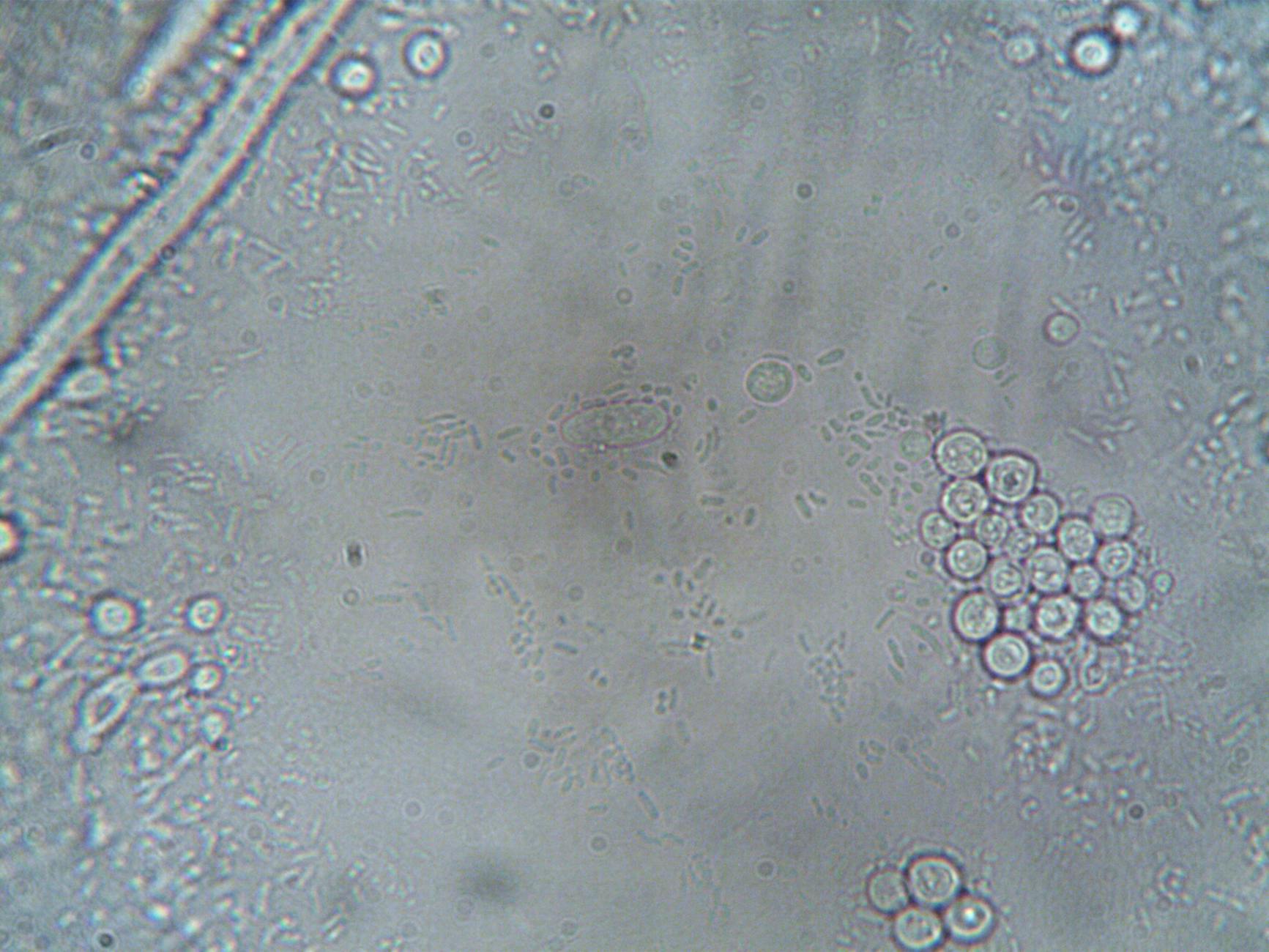
Cells don’t operate in isolation—they’re constantly shipping messages to one another through intricate chemical and biological systems. The University College Dublin discovery of the “condensate corona” reveals that when certain particles enter cells, they acquire a specialized coating that enhances cellular communication. Think of it like the difference between a plain envelope and one with a return address and routing information: the condensate corona acts as a delivery system that ensures biological messages reach their intended destination more efficiently.
This cellular courier mechanism is particularly relevant to brain cells, which must coordinate millions of precise signals every second to maintain cognition, memory, and movement control. The significance of this discovery lies in its potential applications for neurodegenerative conditions. If we can understand how cells enhance their communication systems through these coronas, researchers may eventually design interventions to improve signal delivery in aging brains. However, the current research is still in early stages—the University College Dublin team identified the mechanism in controlled laboratory conditions, and translating this into treatments for dementia will require years of additional research.
Brain Health Breakthroughs in Signal Detection and Drug Safety
One of the most clinically important discoveries comes from researchers at the University of Kentucky, who identified a biological signal that explains a concerning side effect of new Alzheimer’s treatments. These medications show promise in slowing cognitive decline, but some patients experience a serious adverse effect related to inflammation. The University of Kentucky team discovered the specific biological marker associated with this risk, potentially enabling doctors to perform a simple blood test before therapy begins to identify which patients are at highest risk.
This represents a significant safety advance—rather than discovering the side effect after a patient has been harmed, doctors can now screen beforehand. This breakthrough illustrates an important principle in dementia care: understanding the biological signals behind drug effects can dramatically improve treatment safety. The challenge, however, is that not every Alzheimer’s medication will have an easily identifiable biomarker, and the test must be validated across diverse patient populations before it becomes standard practice. Additionally, identifying risk doesn’t necessarily mean a patient must avoid treatment—doctors can use this information to monitor patients more closely or adjust dosages accordingly.
The Appetite-Brain Connection and Metabolic Signaling
Recent research has revealed an intricate signaling cascade that controls hunger and fullness, and this system involves brain cells previously thought to play only supporting roles. scientists discovered that after you eat, glucose levels trigger specialized cells called tanycytes, which then send chemical signals to astrocytes—a type of brain cell that was long thought to be merely structural. These astrocytes activate “fullness neurons” that tell your brain you’ve had enough to eat. This glucose-to-tanycyte-to-astrocyte-to-neuron pathway represents a newly understood biological signal that directly controls appetite regulation.
Why does this matter for brain health? Disruptions in this signaling system may contribute to obesity and metabolic dysfunction, which in turn increases the risk of cognitive decline and dementia. Studies have consistently shown that people with obesity and metabolic disorders have higher rates of Alzheimer’s disease and vascular dementia. Understanding how to enhance this appetite-control signal could potentially prevent the metabolic disturbances that damage brain health. That said, appetite is controlled by multiple overlapping systems, and dietary and behavioral interventions remain the most evidence-based approaches for weight management—no single biological signal discovery will replace fundamental healthy habits.
Natural Hormones That Signal Metabolic Control
Scientists at the University of Oklahoma discovered that a naturally occurring hormone can reverse obesity in research models by sending specific signals to brain regions controlling metabolism and appetite. This hormone essentially amplifies the same appetite-control pathway described above, but through a more direct hormonal route. The research demonstrates that biological signals governing body weight are not fixed—they can be modulated and even reversed if the right signals are delivered to the right parts of the brain.
The implication for brain health is significant, since obesity accelerates cognitive decline through multiple mechanisms including inflammation, vascular damage, and metabolic dysfunction. The limitation of this discovery is that it was identified in controlled research settings, and hormonal interventions carry risks and tradeoffs that dietary and behavioral approaches do not. Additionally, hormones are not one-size-fits-all interventions—what works to reverse obesity in one person might have different effects in another depending on genetics, age, and existing health conditions. For dementia prevention, the most actionable takeaway is that maintaining a healthy weight through diet and exercise remains the most evidence-based approach to reducing dementia risk, even as researchers work to understand the hormonal signals that could eventually support that effort pharmacologically.
Brain Gene Discovery and Cellular Repair Mechanisms
Scientists recently identified a gene that helps the brain repair itself—a finding that challenges the long-held belief that brain damage is largely irreversible once it occurs. This gene appears to activate repair mechanisms that can help brain cells recover from injury or degeneration. For patients with dementia, the significance is profound: if researchers can enhance or activate this repair gene, they might slow or even halt the neurodegeneration that characterizes Alzheimer’s and other dementias.
The discovery suggests that the brain isn’t passively declining with age but rather has active repair capabilities that might be amplified through the right biological signal or intervention. However, the presence of a repair gene doesn’t guarantee that damage can be undone—the gene’s effectiveness depends on many factors including age, the extent of prior damage, and the specific type of neurodegeneration involved. Additionally, any gene-based therapy would need to overcome significant challenges including delivery to the brain (the blood-brain barrier is highly selective), safety monitoring for unintended effects, and years of clinical trials. Currently, the most practical application of this knowledge is understanding that brain health interventions should focus on prevention and early detection, since maintaining neural health is easier than repairing established damage.

Distinguishing Biological Signals From Temporary Fluctuations
One common challenge in understanding biological signals is distinguishing true pathological markers from normal biological variation. When researchers identify a new signal—whether it’s the condensate corona, a specific blood biomarker, or a gene expression pattern—they must verify that the signal is reproducible, correlates with actual disease or function, and isn’t simply a false correlation. This is particularly important for dementia research, where many initially promising biomarkers have failed to translate into clinical treatments.
The Alzheimer’s drug side-effect biomarker discovered by University of Kentucky researchers went through rigorous validation to ensure it actually predicts risk rather than just correlating with it incidentally. For patients and families seeking hope from new discoveries, this means staying informed but maintaining realistic expectations. A new biological signal discovery is exciting and medically important, but it typically represents a first step rather than an immediate breakthrough. The path from discovery to clinical utility usually requires 5-15 years of additional research, validation, and testing.
The Future of Biological Signal Research in Dementia Prevention
These recent discoveries collectively point toward a future where dementia care becomes increasingly personalized and preventive. Rather than waiting for cognitive symptoms to appear, doctors may eventually use biological signals—blood tests for specific markers, genetic profiles, imaging data—to identify brain health risks years or decades before symptoms emerge. This could enable early interventions using medications like those whose side effects can now be predicted through the University of Kentucky biomarker, or lifestyle modifications tailored to an individual’s specific biological risk profile.
The convergence of these discoveries—cellular courier systems, brain appetite signaling, repair genes, and drug safety biomarkers—suggests that neuroscience is moving toward a more comprehensive understanding of how the brain communicates with itself and with the rest of the body. For dementia care specifically, this shift means that future treatments are likely to work by enhancing or normalizing biological signals rather than through blunt pharmaceutical force. The key for anyone concerned about brain health now is to focus on the evidence-based interventions that we know modify these very signals: cardiovascular exercise, cognitive engagement, quality sleep, Mediterranean-style dietary patterns, and metabolic health maintenance.
Conclusion
April 2026 brought multiple discoveries about biological signals that cells, brains, and hormones use to communicate and regulate function. From the University College Dublin cellular courier system to the appetite-control cascade involving astrocytes and tanycytes, from the University of Oklahoma’s obesity-reversing hormone to the University of Kentucky’s Alzheimer’s drug safety biomarker and the identification of a brain repair gene, the month revealed that biological signaling systems are far more complex and modifiable than previously understood. For someone navigating dementia care or concerned about cognitive decline, these discoveries offer both immediate practical value—such as the ability to screen for Alzheimer’s medication side effects—and long-term hope that targeted interventions based on biological signals may eventually prevent or slow dementia.
The most important action to take now is not to wait for these discoveries to become treatments, but to begin implementing the lifestyle modifications that we already know enhance these very biological signals: regular physical activity, cognitive engagement, sleep optimization, and metabolic health through diet. As research continues, the biological signals being discovered today will inform increasingly personalized prevention and treatment strategies. For now, understanding that your brain is constantly signaling and that many of those signals respond to your behaviors should be the most encouraging discovery of all.