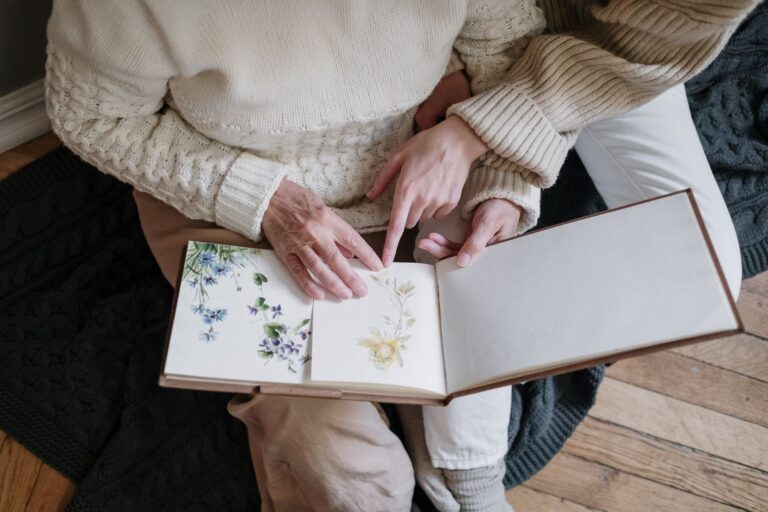
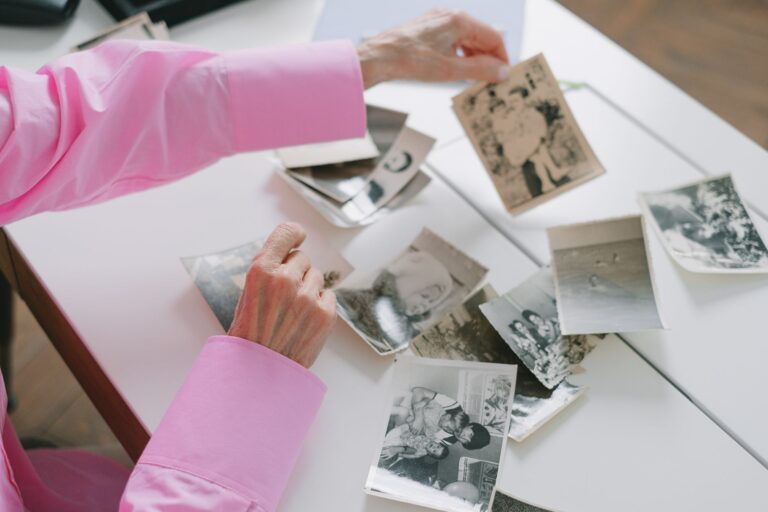
Families can build a memory box early by gathering labeled photo copies, small keepsakes, recorded stories, and a simple life timeline with the person. The box cannot stop Alzheimer's or permanently preserve memory; it is a tool for connection and reminiscence, according to the Alzheimer's Association's caregiving guidance. A memory box is a container or collection of familiar objects that may prompt older memories and conversation. It can remain useful as recall changes, especially when relatives treat it as an invitation rather than a test.
Medical information disclaimer: This article is for general educational purposes only and does not provide medical advice, diagnosis, or treatment. Always consult a physician or other qualified health professional about symptoms, medications, tests, or treatment decisions.
Table of Contents
- Start early without assuming a diagnosis
- What belongs in a memory box?
- Build the collection with the person
- Use the box for connection, not correction
- Keep the project manageable
Start early without assuming a diagnosis
Alzheimer's brain changes can begin a decade or more before symptoms, and memory problems are often among the first clinical signs. That makes "before" difficult to define. families can start preserving stories at any age without presenting the project as preparation for decline. When someone develops new trouble recalling recent events or thinking clearly, arrange a medical evaluation.
The National Institute on Aging notes that medication effects, infection, depression, stroke, and sleep problems can mimic or contribute to memory symptoms in its Alzheimer's disease fact sheet. after a dementia diagnosis, involve the person while they can communicate their choices. Federal guidance advises beginning future-planning discussions early and centralizing important papers. Keep that paperwork separate from the memory box, which should remain personal and comforting.
What belongs in a memory box?
Choose objects connected to pleasant people, routines, places, work, celebrations, or interests. Ask the person what matters instead of relying entirely on relatives' assumptions.
useful additions include: Use duplicates whenever possible. The National Institute on Aging warns that Alzheimer's can involve hiding or misplacing objects, so irreplaceable documents, jewelry, keys, and financial items belong elsewhere. A personal box or cupboard can hold special objects that are safe to handle.
- Copies of photographs labeled with names, relationships, and places
- Postcards, recipes, programs, maps, or copies of handwritten notes
- A playlist or printed list of meaningful songs
- Inexpensive objects linked to a hobby, occupation, faith, or tradition
- Short written stories using the person's own words
Build the collection with the person
Work in short, relaxed sessions. Begin with one photograph or object and use open prompts: "What would you like me to know about this?" or "Who should we identify here?" Accept "I don't want to talk about it" without pressing. Record context that an object alone cannot supply.
Note why a place mattered, how someone was related, which song was played at home, or what name the person preferred. Approximate periods such as "early teaching years" may be more useful than an uncertain date. Keep three separate collections if the family has enough material: a safe box for handling, digital copies for backup, and an archive for fragile originals. Ask permission before recording sensitive stories or sharing them beyond the people the person has chosen.
Use the box for connection, not correction
Offer one or two items at a time in a calm setting. Follow the person's response: continue if the object brings interest or comfort, and put it away if it causes distress. Do not quiz the person about names, dates, or whether a story is "right." Research on structured reminiscence activities is encouraging but limited.
A 2025 meta-analysis in Neurological Sciences covering 24 randomized trials and 2,650 participants found improved cognitive-test results immediately and at follow-up, while noting insufficient evidence about long-term effects. A Cochrane review of reminiscence therapy found small, inconsistent benefits across settings, no consistent overall quality-of-life benefit, and no identified benefit for family carers. Memory-box activities should complement medical care and caregiver support, not replace them.
Keep the project manageable
A useful box does not need to tell an entire life story. Begin with five photographs, one song list, one familiar object, and a page of names. Add material only when the person enjoys the process. Store the box where it is easy to reach but unlikely to be confused with important records.
Keep a simple inventory, return items after use, and remove anything sharp, breakable, valuable, or upsetting. The practical workload often falls on relatives. The CDC reports that about 80% of U.S. adults with Alzheimer's or related dementias receive care at home, while caregivers face greater risks of anxiety, depression, and poorer quality of life. Divide the project into small jobs: one person can label photographs, another can scan them, and another can record a 10-minute conversation.