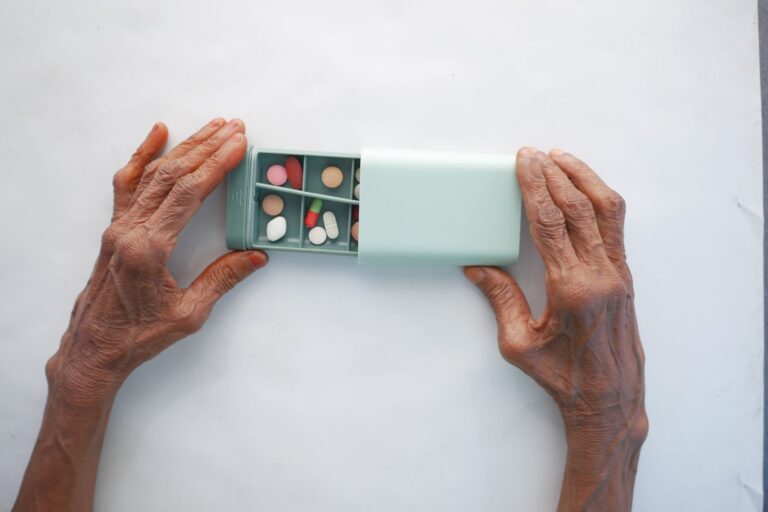
Neither regular meals nor ketone drinks has better direct human evidence for preventing memory loss: no trial has compared them for that outcome. For prevention, healthy meals within a broader lifestyle plan have the stronger practical case, while ketone drinks remain investigational and studied mainly for short-term symptoms. Here, "ketone drinks" means drinks containing ketogenic medium-chain triglycerides, or MCTs, which raise ketone levels. The strongest results involve people with mild cognitive impairment (MCI), not healthy adults seeking prevention or people shown to have avoided dementia.
Medical information disclaimer: This article is for general educational purposes only and does not provide medical advice, diagnosis, or treatment. Always consult a physician or other qualified health professional about symptoms, medications, tests, or treatment decisions.
Table of Contents
- What evidence supports healthy meals?
- What have ketone-drink trials found?
- How strong is the overall ketone evidence?
- Which option fits the reader's goal?
What evidence supports healthy meals?
"Regular meals" is too broad to describe a tested treatment. Human studies have examined healthy eating patterns or dietary counseling, often alongside other changes. The National Institute on Aging says such patterns are associated with cognitive benefits, but whether they prevent or delay Alzheimer's disease remains uncertain in its review of diet and dementia prevention. The FINGER trial enrolled 1,260 Finnish adults aged 60 to 77 who had elevated dementia risk.
After two years, participants receiving dietary guidance, exercise, cognitive training, and vascular-risk management had a statistically significant but small advantage in overall cognition over those receiving usual health advice, according to the Lancet trial report. That finding supports a combined healthy-lifestyle approach, not meals alone. Because several interventions happened together, researchers could not assign the cognitive difference specifically to diet. A separate three-year MIND-diet trial involved cognitively unimpaired older adults with a family history of dementia. Both groups received mild calorie restriction, and researchers found no significant between-group difference in cognitive change or brain-MRI outcomes.
What have ketone-drink trials found?
The strongest ketone-drink result comes from a six-month randomized trial of 83 people with MCI. Participants receiving 30 grams per day of ketogenic MCTs improved on selected tests of recall, verbal fluency, naming, and trail-making compared with a calorie-matched placebo, as reported in Alzheimer's & Dementia. An earlier study enrolled 52 people with MCI, although only 39 completed treatment.
The MCT drink increased brain ketone metabolism by 230% over six months. Cognitive gains were secondary outcomes, so the trial did not establish that the drink prevented dementia. These findings are promising but narrow. They concern selected test scores over six months in small MCI groups, not long-term independence, prevention of dementia, or protection against memory loss in the general population.
How strong is the overall ketone evidence?
A 2024 systematic review examined 21 MCT studies involving MCI or Alzheimer's disease. It found consistent increases in blood ketones and brain metabolism, but cognitive improvements appeared only occasionally or in particular mental skills. The reviewers also identified varied study methods, risk of bias, industry conflicts, and limited evidence about daily functioning.
They concluded that the evidence was insufficient to recommend MCT as a comparable symptomatic treatment, according to the Journal of Nutrition and Metabolism review. A biological effect is not automatically a meaningful clinical benefit. Raising ketones or changing brain metabolism matters only if it reliably preserves memory, functioning, or quality of life—and current trials have not established those outcomes.
Which option fits the reader's goal?
For someone trying to reduce future risk, the evidence points toward established healthy-lifestyle patterns rather than a ketone drink. That does not prove that ordinary meals prevent dementia; it reflects broader human evidence for combined diet, exercise, cognitive activity, and vascular-risk management.
For someone with MCI, an MCT drink is better described as an experimental symptom strategy. The available trials do not show that it stops progression to dementia, and their results should not be generalized to every product, dose, or person. A practical decision should separate the goal from the claim:.
- For prevention, build meals into a broader healthy-lifestyle plan rather than relying on a drink.
- For current MCI symptoms, discuss the limited six-month findings with the person's clinician.
- Do not interpret better scores on selected tests as proof of prevented dementia.
- Treat claims that a supplement prevents, treats, or cures memory loss with caution; supplements are not FDA-approved to treat or prevent disease.