Rare celestial events occurring in March 2026 have sparked a remarkable surge in online searches, with millions of people worldwide seeking information about a planetary parade, a blood moon eclipse, and other astronomical phenomena. For older adults and those living with dementia, these sky events represent far more than just scientific curiosities—they offer valuable opportunities for cognitive engagement, meaningful conversation, and connection to the natural world. This article explores the specific astronomical events capturing public attention, explains why they’re generating such intense interest, and examines how these celestial spectacles can contribute to brain health and cognitive wellness through observation, discussion, and shared experience. The convergence of multiple rare events within a single month—including a six-planet alignment on March 1st and a total lunar eclipse on March 3rd—has created what astronomers call a “skywatching season.” The sheer rarity of these events, combined with their visibility to observers without specialized equipment, has made them accessible to the general public in a way that sparks curiosity and drives people to research, learn, and engage with scientific information.
Table of Contents
- What Rare Celestial Events Are Creating This March 2026 Search Surge?
- Why Rare Sky Events Generate Significant Online Search Interest
- Cognitive and Memory Benefits of Astronomy and Stargazing for Older Adults
- Making Rare Sky Events Accessible to Older Adults and Dementia Patients
- Using Sky Events as Conversation and Memory Anchors
- Community, Care Facilities, and Shared Sky-Watching Events
- Future Rare Sky Events and Cultivating Ongoing Engagement with the Natural World
- Conclusion
What Rare Celestial Events Are Creating This March 2026 Search Surge?
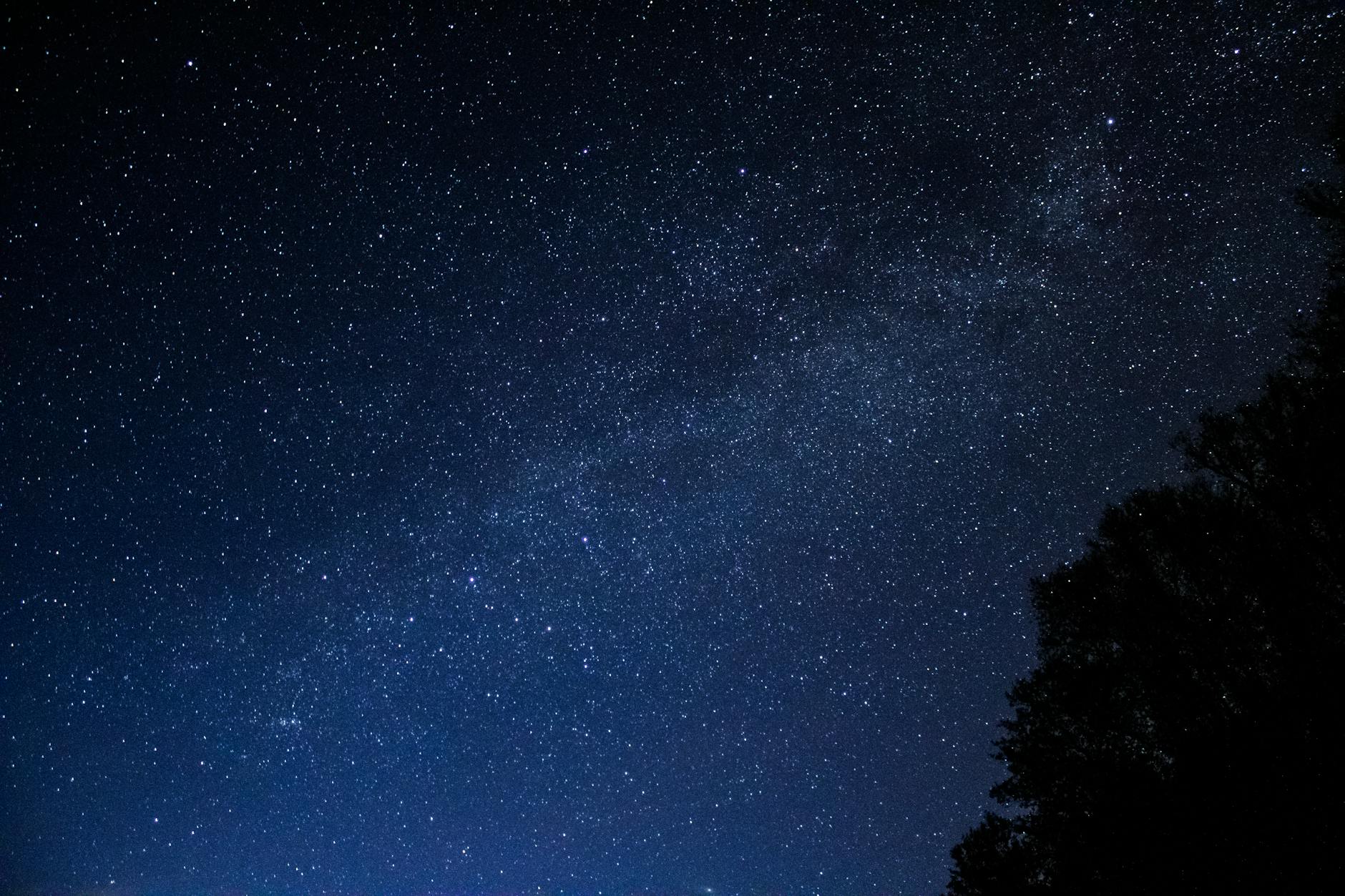
March 2026 will showcase several extraordinary astronomical events that haven’t occurred together in decades. The most prominent is a rare six-planet alignment on March 1st, when Mercury, Venus, Jupiter, Saturn, Uranus, and Neptune will line up in the evening sky shortly after sunset. Five of these planets will be visible to the naked eye under clear viewing conditions, making this accessible to virtually anyone willing to step outside and look up—no telescope required. Just days later, on March 3rd, a total lunar eclipse will occur, turning the moon a striking red-orange color during totality. This total lunar eclipse is particularly noteworthy because total lunar eclipses are relatively uncommon; only about 29% of all lunar eclipses are total, and the next one won’t occur until late 2028 or early 2029.
Additional events round out this remarkable month. On March 8th, Venus and Saturn will align approximately one degree apart in the evening sky in what’s called a conjunction. Then, on March 20th, the vernal equinox will mark the astronomical beginning of spring in the Northern Hemisphere, when day and night are nearly equal in length. NASA Science has officially confirmed all of these events and released skywatching tips, adding credibility and widespread media coverage that’s driving the online search surge. The combination of these rare events within a compressed timeframe creates a “perfect storm” of public interest. When something is visibly rare—and confirmed by authoritative sources like NASA—people naturally want to understand what they’re seeing and why it matters.
Why Rare Sky Events Generate Significant Online Search Interest
The psychology of rarity drives human curiosity powerfully. When an astronomical event is confirmed to be infrequent—such as the total lunar eclipse, which won’t happen again for several years—people feel motivated to learn about it rather than risk missing their window of opportunity. Search engines have documented spikes in queries like “how to see the planetary parade,” “blood moon March 2026,” and “total lunar eclipse viewing tips.” However, the surge extends beyond mere logistics; people search for the “why” behind these events, seeking to understand the science, the frequency of occurrence, and the cultural significance of such celestial phenomena. For many searchers, particularly older adults, sky events also serve as conversation starters and memory anchors.
Unlike daily events that blur together, a rare celestial occasion stands out as a distinct memory point. Someone might recall, “That was the year of the blood moon,” anchoring that period of life to a specific, verifiable astronomical event. This creates a framework for memory organization and provides content for meaningful conversations with family and caregivers. Additionally, the outdoor activity required to observe these events—stepping outside to look at the sky—encourages physical movement and environmental engagement, both beneficial for overall wellness.
Cognitive and Memory Benefits of Astronomy and Stargazing for Older Adults
Observing and learning about rare astronomical events engages multiple cognitive domains simultaneously. First, there’s the initial learning component: understanding why planets align, what creates a lunar eclipse, or why the spring equinox occurs requires engaging with scientific concepts and spatial reasoning. For individuals living with early-stage cognitive decline or dementia, this type of intellectual stimulation can help maintain neural pathways and cognitive reserve. Studies on cognitive engagement have consistently shown that learning new information—especially about complex, visually interesting topics—exercises the brain in ways that support mental acuity. The memory enhancement aspect is particularly significant. Rare sky events create distinctive, multi-sensory memories.
Unlike abstract concepts, a blood moon has color, the planetary alignment has visual impact, and stepping outside to observe engages sight, temperature sensation, and environmental awareness. These sensory-rich memories are more robust and easier to recall than isolated facts. Family members and caregivers can reinforce these memories through repeated discussion: “Did you go outside to see the planets that night?” or “Do you remember how red the moon looked?” This conversational reinforcement creates what researchers call “reminiscence therapy,” where discussing significant events strengthens memory consolidation and provides emotional connection. The social aspect further amplifies cognitive benefits. When multiple family members gather to observe a sky event—or when a care facility organizes a group viewing—the experience becomes socially engaging in addition to being intellectually stimulating. Conversation flows naturally, shared experience creates bonding, and the combination of cognitive engagement plus social connection produces measurable benefits for mood, sense of purpose, and overall cognitive function.
Making Rare Sky Events Accessible to Older Adults and Dementia Patients
The accessibility of March 2026’s events is a significant advantage. The six-planet alignment and total lunar eclipse both require no special equipment—just the human eye and a clear view of the sky. However, practical considerations matter. Older adults may have mobility limitations that make stepping outside and standing still for extended periods challenging. For these situations, alternatives exist: viewing from a window seat, using a chair placed outside, or having a caregiver provide descriptions and guidance. Some care facilities have begun organizing dedicated viewing events with comfortable seating, refreshments, and group discussion, transforming a solo activity into a shared occasion.
For individuals with vision impairment or advanced dementia who cannot independently observe the event, a caregiver or family member can serve as a “narrator,” describing what they’re seeing in vivid detail. Rather than limiting participation to those with unimpaired vision, this approach extends engagement to the entire community. Photographs or videos of previous eclipses or planetary alignments can be shown in advance, building anticipation and understanding. Educational materials about the events should use large, clear fonts and simple language, accounting for both vision and cognitive accessibility. The key distinction is between passive viewing and active engagement. An older adult with dementia might not independently plan to watch a sky event, but when a structured opportunity is provided—with comfort, companionship, and explanation—the engagement becomes meaningful and cognitively beneficial.
Using Sky Events as Conversation and Memory Anchors
Rare celestial events serve as natural conversation catalysts in ways that everyday topics might not. A caregiver can initiate conversation by asking, “Did you see the blood moon last night?” or “Isn’t it amazing that six planets are aligned right now?” These prompts are concrete and observable, making them easier to discuss than abstract topics. For individuals with dementia, this type of facilitated conversation can be less frustrating than open-ended chat, since the topic has specific visual and factual anchors. The memory-anchoring function deserves emphasis: Major life periods can be mentally organized around significant events. Families often use this naturally (“that was before Mom’s surgery,” “that was the year of the big snowstorm”), and rare sky events provide additional reference points.
A person might recall conversations, family visits, or care milestones relative to the March 2026 planetary alignment. This creates a richer memory framework and gives individuals—and their loved ones—a shared reference point for understanding the timeline of their lives. However, one limitation to acknowledge: For individuals with advanced dementia or significant memory loss, even a memorable event might not create lasting recall after a brief period. The benefit in this case shifts toward the immediate experience—the conversation in the moment, the sensory engagement, and the social connection—rather than long-term memory formation. This doesn’t diminish the value, but it frames the benefit appropriately.

Community, Care Facilities, and Shared Sky-Watching Events
Many senior centers, memory care facilities, and community organizations have begun recognizing the value of organizing group sky-watching events. These gatherings combine multiple wellness benefits: cognitive engagement, physical activity (even just stepping outside), social connection, emotional experience, and often physical comfort (refreshments, seating, companionship). Some facilities partner with local astronomy clubs, which bring telescopes, expertise, and enthusiasm. Others simply create an inviting outdoor space and provide information handouts or tablets with educational videos about the upcoming event.
For a person living with dementia, such an organized event addresses practical barriers while creating positive social experience. Rather than an isolated individual watching the sky alone—and potentially missing it or feeling disconnected from the experience—they participate as part of a group, with guidance and shared enthusiasm. Family members might be invited to join, turning the event into a genuine intergenerational experience. The conversation that happens during and after the viewing becomes as valuable as the viewing itself.
Future Rare Sky Events and Cultivating Ongoing Engagement with the Natural World
While March 2026’s convergence of rare events is special, it’s not an isolated occurrence. Future years will bring other notable astronomical events: meteor showers with peak viewing nights, planetary oppositions, and additional eclipses. By engaging with March 2026’s events, older adults and care communities can establish practices for engaging with these future opportunities. This creates an ongoing framework for cognitive stimulation, seasonal awareness, and regular reasons for outdoor activity and social gathering.
The broader insight is that cultivating an appreciation for the natural world—and the celestial world specifically—offers sustained benefits for brain health. Unlike structured cognitive training or clinical interventions, sky-watching feels organic, accessible, and joyful. It connects individuals to something larger than themselves and provides perspective that many find emotionally restorative. For dementia care, this represents one of the most humanistic and enjoyable forms of cognitive engagement available.
Conclusion
The surge in online searches about March 2026’s rare sky events reflects both scientific fascination and the human desire to witness something extraordinary. For the dementia care and brain health community, these events represent an exceptional opportunity: accessible, engaging activities that simultaneously stimulate cognition, anchor memory, facilitate social connection, and provide emotional enrichment. The six-planet alignment on March 1st and the total lunar eclipse on March 3rd—along with the other celestial events throughout the month—offer concrete reasons for conversations, group experiences, and moments of wonder.
Whether an older adult independently observes these events or participates in a facility-organized viewing, the engagement offers measurable benefits: intellectual stimulation, memory formation, social connection, and the pleasure of experiencing something rare. As caregivers and family members seek meaningful activities that support both cognitive health and emotional well-being, March 2026’s sky offers an elegant, evidence-supported answer. The value lies not merely in the astronomical significance of these events, but in the human experiences they enable—conversation, discovery, shared wonder, and connection to the natural world.