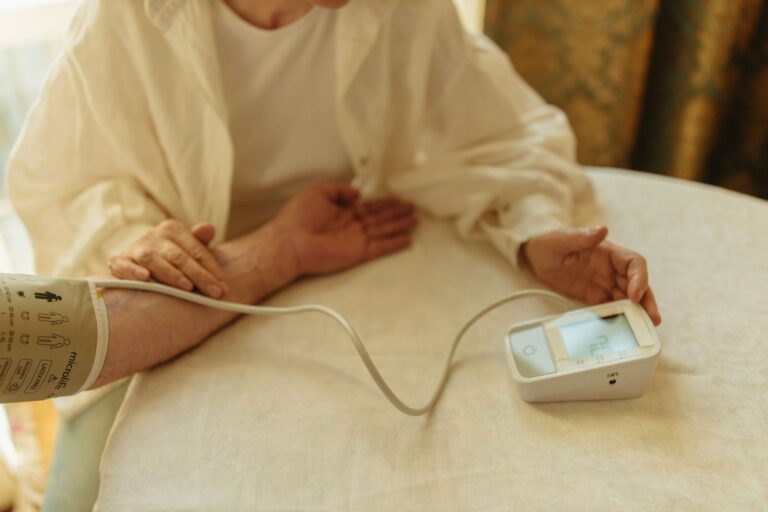
Ask a dementia specialist what the personal daily fluid target is, how memory care tracks intake and prompts drinking, and what should trigger checks for dehydration, infection, or swallowing problems. A dementia specialist is a clinician who diagnoses and manages memory disorders, and memory care is residential care with structured routines for people with dementia. Forgetting to drink is common because memory loss, weaker thirst, and trouble with simple steps like finding a glass interrupt normal habits. A focused visit works best when you bring recent intake, behavior changes, medicines, and incontinence concerns.
Medical information disclaimer: This article is for general educational purposes only and does not provide medical advice, diagnosis, or treatment. Always consult a physician or other qualified health professional about symptoms, medications, tests, or treatment decisions.
Table of Contents
- Why drinking gets forgotten
- How low fluid intake affects thinking and health
- What daily drinking support should you request
- When should sudden confusion prompt another check
Why drinking gets forgotten
People with dementia may forget they have not drunk, notice thirst less, and struggle to find cups or pour water. Banner Health explains these combined changes make dehydration common in dementia in its guidance on dehydration in dementia patients.
Ask what pattern the specialist sees in your relative: missed drinks, refusal, spilling, inability to pour, or fear of needing the bathroom. Ask whether medicines, especially diuretics, may lower intake or increase losses.
How low fluid intake affects thinking and health
Dehydration can worsen dementia-related problems rather than only looking like them. The Alzheimer's Society says low fluid intake can cause headache, increased confusion, constipation, and urinary tract infections in its advice on drinking and hydration in dementia.
Ask how to tell ordinary forgetfulness from a dehydration-related change. Families can watch for practical signs worth reporting:.
- dry mouth, headache, nausea, dizziness, weakness, or agitation
- dark or strong-smelling urine, sunken eyes, or behavior change
- change that appears within hours after little fluid intake
What daily drinking support should you request
Ask for a personal fluid target for this person, plus any heart, kidney, or other limits that change it. General guidance is often about 2-3 liters daily unless a condition restricts fluids, so the individual number matters more than the average.
Ask what the memory-care routine includes for prompting and access. I Advance Senior Care describes scheduled drink offers, water kept within reach, bright lightweight cups with handles, frequent gentle reminders, and hands-on help in its strategies for hydration in memory-care settings. Request a written plan covering drink type, cup, timing, assistance level, and how intake is recorded.
When should sudden confusion prompt another check
Ask when worsening confusion should prompt testing for dehydration or infection instead of being treated as dementia progression. Poor hydration raises urinary infection and delirium risk, so the Alzheimer's Society advises assessment for infection and dehydration when confusion suddenly worsens in its UTI-prevention guidance.
Also ask about swallowing if coughing, food pocketing, gurgly voice, weight loss, or repeated chest infections appear. Those signs should trigger referral for a speech-and-language swallowing assessment because later-stage dementia can bring choking and aspiration risk. Seek urgent care for worsening confusion with fever over 101F, breathing difficulty, rapid heartbeat, vomiting or diarrhea, chest or abdominal pain, or no urination for 8 hours.