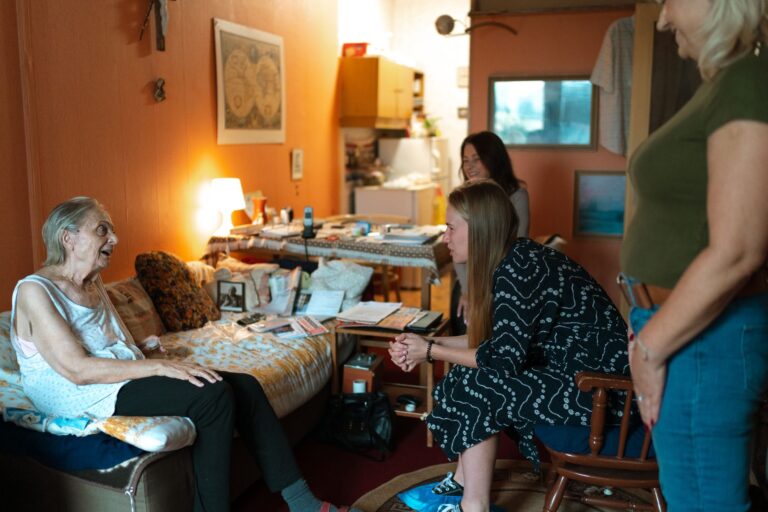
Public input shaped the 2026-2035 National Alzheimer's Plan through a federal comment process and listening sessions. Adult children caring for parents were included as family stakeholders. The National Alzheimer's Plan is the federal roadmap for Alzheimer's and dementia response. For this briefing, public input means comments from families and sessions with patients, caregivers, clinicians, and officials.
Medical information disclaimer: This article is for general educational purposes only and does not provide medical advice, diagnosis, or treatment. Always consult a physician or other qualified health professional about symptoms, medications, tests, or treatment decisions.
Table of Contents
- How did families get a voice?
- What changed in the 2026 Update?
- What gap should adult children watch?
- What can adult children do now?
How did families get a voice?
HHS sought public comment on dementia research, risk reduction, early detection, and care supports to shape federal efforts through 2035, according to the Federal Register in the July 24 notice via Justia. The invitation named people living with dementia, family members, caregivers, clinicians, researchers, and advocates.
A separate listening-sessions project gathered feedback from people living with ADRD, caregivers, providers, researchers, private-sector partners, and state, Tribal, and local officials, according to the ASPE summary report. ADRD means Alzheimer's disease and related dementias. Together, the written comments and sessions gave planners direct family experience alongside clinical and research views.
What changed in the 2026 Update?
Congress extended the governing law through 2035 to keep a federal roadmap for Alzheimer's and dementia response, according to a press release from Rep. Paul Tonko. The extension set the horizon for this planning cycle.
HHS unveiled the 2026 Update in Fort Lauderdale, replacing six historic goals with four lifespan goals, according to Healthcare News Center in its October conference report. The four goals center on risk reduction, faster discovery of prevention and treatment, and care and caregiver support. HHS said progress will be reported in 2027.
What gap should adult children watch?
A June 2026 oversight review found HHS set long-term goals but lacked near-term goals, time frames, and progress measures, according to the Government Accountability Office in its June oversight review. That gap limits the ability to assess and communicate results to families and providers.
For an adult child, the effect is practical. A long-term promise does not show whether respite access, care coordination, or early-detection steps improved this year. Watch the 2027 progress report for dated targets, service measures, and caregiver outcomes.
What can adult children do now?
Comments under docket HHS-ASPE-2026-0298 were due Aug. 15, 2026 through Regulations.gov, according to the ASPE record in the RFI docket entry. The formal window has closed, but the same categories still guide family planning.
- Name one risk-reduction question for the next primary-care visit.
- Ask how memory concerns are evaluated and tracked in your parent's clinic.
- List weekly care tasks, hours, and backup helpers.
- Save the 2027 progress report date where you track medical paperwork.
You Might Also Like
- Privacy and Data Access Gaps in 2026 Dementia Research: A Source-Checked Research Briefing for Family Caregivers
- NIA’s 2026 Late-Life Depression and Dementia Workshop: A Source-Checked Research Briefing for Family Caregivers
- Dementia Subtype Data Gaps Identified by NIA in 2026: A Source-Checked Research Briefing for Family Caregivers