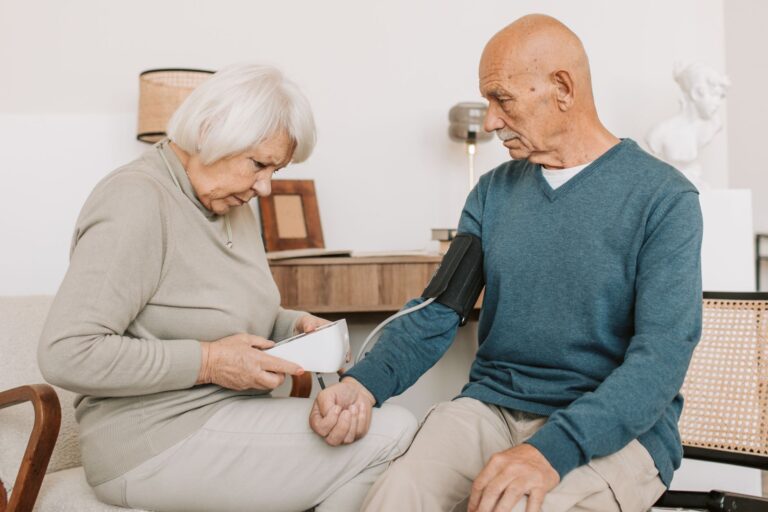
Public engagement sits at the center of this dementia and brain health question.
Public engagement events have generated unprecedented funding for Alzheimer’s charities, with the Alzheimer’s Association’s flagship Walk to End Alzheimer’s alone raising $103 million across more than 600 communities nationwide. This represents a significant surge in grassroots fundraising, driven by increased community participation—the 2023 Walk attracted over 371,000 participants—and expanded corporate partnerships that have contributed $26 million, a 23% year-over-year increase. Combined with gains from complementary events like The Longest Day®, which raised $13.4 million, the overall impact is substantial: the Alzheimer’s Association has reported total donations exceeding $409 million, with over $112 million directed specifically toward new annual research funding.
These record-breaking fundraising efforts come at a critical time for the dementia community. As Alzheimer’s disease continues to affect millions, the need for both care services and research breakthroughs has never been greater. This article explores how public engagement events are generating these historic funding levels, where the money goes, how corporate and individual supporters are amplifying impact, and what these trends mean for the future of Alzheimer’s care and research.
Table of Contents
- How Fundraising Events Broke Record Funding Levels
- The Corporate Partnership Amplification Effect
- Where Alzheimer’s Funding Goes and Its Impact on Research
- How Individuals and Organizations Can Participate in Fundraising Events
- Sustaining Growth and Addressing Fundraising Plateaus
- The Ripple Effect of Community Fundraising Events
- Looking Ahead—The Future of Alzheimer’s Fundraising
- Conclusion
How Fundraising Events Broke Record Funding Levels
The Walk to End Alzheimer’s remains the world’s largest event dedicated to raising funds for Alzheimer’s care, support, and research, and its latest results underscore the power of organized community participation. With over 371,000 participants mobilizing across more than 600 communities, the event generated $103 million—a testament to sustained public engagement and awareness around dementia. This level of participation reflects not just individual commitment, but also how deeply embedded the Walk has become in the fundraising calendar of corporations, civic groups, and families touched by Alzheimer’s. Complementary events have also achieved milestone results.
The Longest Day®, which capitalizes on the summer solstice to encourage full-day fundraising activities, generated $13.4 million, representing an 8% increase from the previous year. While less widely known than the Walk, The Longest Day® demonstrates that there is sustained appetite for diverse fundraising opportunities throughout the calendar year. The combination of multiple events, each with its own momentum and community base, creates a cumulative effect that has pushed the Alzheimer’s Association’s total annual fundraising above $409 million. However, not all communities have equally robust fundraising infrastructure—rural areas and smaller towns often struggle to mobilize the same scale of participation, meaning that funding growth is geographically uneven even as overall numbers climb.
The Corporate Partnership Amplification Effect
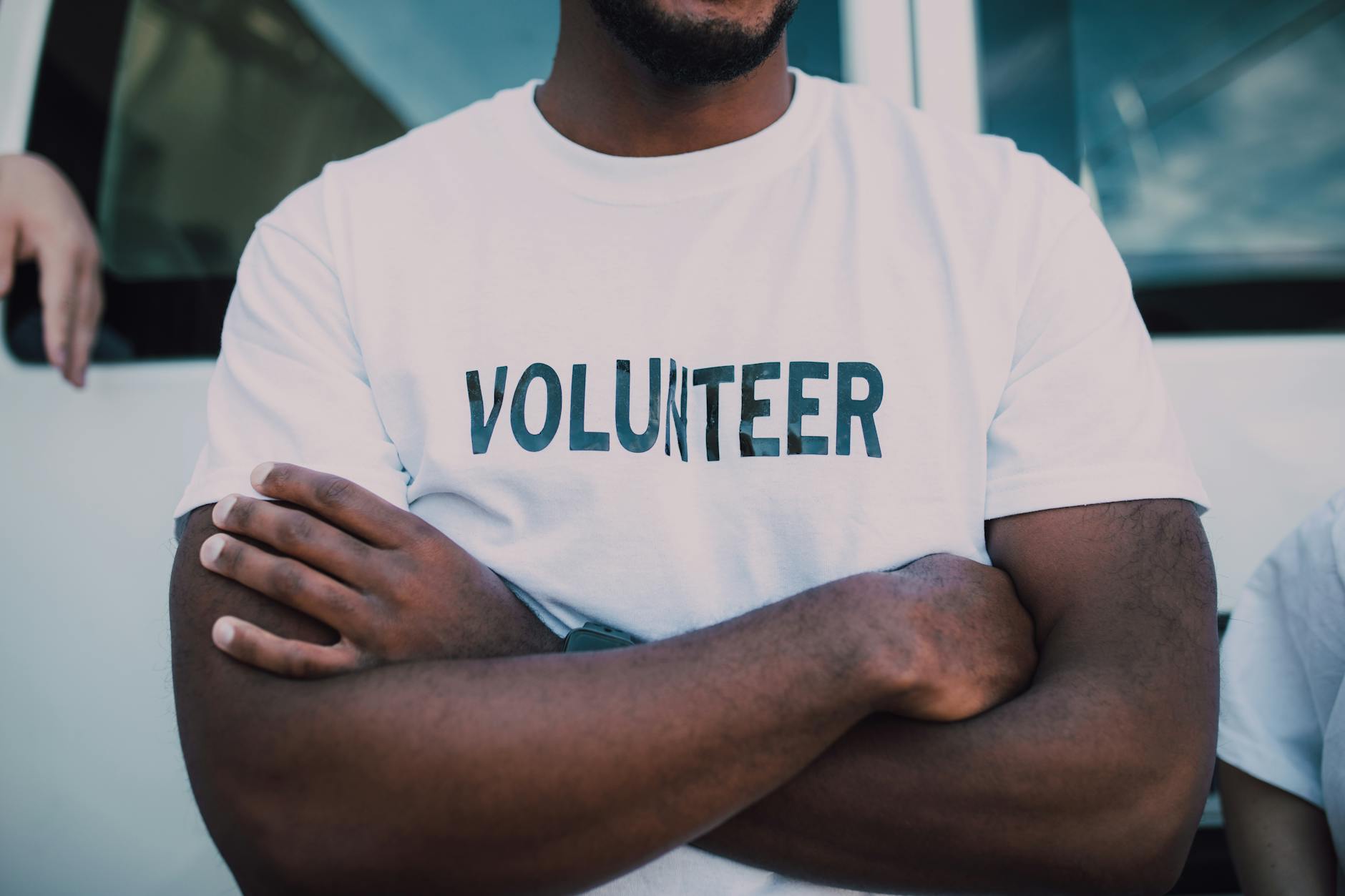
Corporate contributors have emerged as a significant accelerant in recent fundraising cycles, with $26 million raised through corporate partnerships—a remarkable 23% increase year-over-year. This growth reflects both broader corporate social responsibility trends and the visibility that Alzheimer’s has gained among mainstream companies. The Marshalls retail chain exemplified this potential, raising nearly $2 million through an in-store campaign that made Alzheimer’s support accessible to ordinary shoppers during routine retail transactions. The corporate dimension also extends beyond direct donations.
Large employers mobilize employee giving campaigns, matching funds, and volunteer participation that amplifies the human element of fundraising. When employees walk alongside corporate matching pledges, the event becomes both a fundraising vehicle and an internal cultural moment. Yet this corporate growth also introduces a limitation: funding from major corporate partners can fluctuate based on business performance, marketing priorities, and leadership changes. A recession or shift in corporate giving strategy could significantly impact these numbers, making sustained individual donor engagement equally critical for year-to-year stability.
Where Alzheimer’s Funding Goes and Its Impact on Research
Understanding how fundraised dollars translate into action is essential for donors and the dementia community alike. The Alzheimer’s Association allocates 78% of its total annual expenses to care, support, research, awareness, and advocacy activities—a high program-to-overhead ratio that demonstrates commitment to mission-driven spending. With over $112 million in new annual research funding enabled by these donations, the organization directly supports scientific investigations into disease mechanisms, prevention strategies, treatment development, and caregiver interventions.
This research investment is not theoretical. The funding supports clinical trials, university partnerships, and innovative approaches to early detection and prevention. For instance, research into biomarkers for early Alzheimer’s has the potential to shift the disease from a terminal diagnosis to a manageable chronic condition—but only with sustained, substantial funding. However, research timelines are long, and not every funded project yields immediate clinical breakthroughs, so donors supporting Alzheimer’s research should understand they are backing both promising leads and necessary foundational science that may take years to translate into patient benefit.

How Individuals and Organizations Can Participate in Fundraising Events
For those interested in contributing to Alzheimer’s fundraising, multiple entry points exist beyond simply donating. The Walk to End Alzheimer’s, with its 600+ community events, allows individuals to register as walkers, form team fundraisers, or volunteer on event day. Corporate employees can leverage their company’s giving programs to match their personal walk pledges. The Longest Day® offers creative fundraising opportunities—from artistic performances to athletic challenges to awareness-building social media campaigns—allowing participants to fundraise in ways aligned with their interests and talents.
Individual giving campaigns have become increasingly sophisticated, with participants using social media to reach networks, peer-to-peer fundraising platforms to track progress, and community events to gather support. Some families organize annual local events around their personal Alzheimer’s stories. This diversification of fundraising approaches means that people need not be marathon walkers or corporate executives to contribute meaningfully. The tradeoff, however, is that individual effort requires sustained motivation and outreach—it is considerably easier to participate in an established community event than to launch and sustain a personal fundraising campaign from scratch.
Sustaining Growth and Addressing Fundraising Plateaus
While record funding is encouraging, sustaining this momentum presents real challenges. Fundraising fatigue is real—individuals and corporations approached repeatedly for donations may eventually reduce their participation. Market saturation in well-resourced communities means that growth must come from geographic expansion into underserved regions, yet those regions often have fewer resources and less organizational infrastructure to run events.
Additionally, competing causes and economic downturns can redirect giving, making reliance on any single revenue source risky. The Alzheimer’s Association and similar organizations must continually refresh their event offerings and participant recruitment to combat fatigue. The 8% growth in The Longest Day® is solid, but it pales in comparison to the 23% growth in corporate giving—a disparity that suggests individual giving may be approaching a plateau while corporate partnerships still have room to expand. Success requires not just maintaining existing events but creating new engagement opportunities and reaching emerging donor demographics, including younger adults who may have a grandparent with dementia or who support the cause through peer networks rather than traditional event participation.
The Ripple Effect of Community Fundraising Events
Beyond the dollars raised, public engagement events create awareness and cultural visibility that matters enormously. When 371,000 people Walk to End Alzheimer’s, the disease becomes more visible in communities, families feel less alone, and media coverage amplifies the message that Alzheimer’s is a public health priority. Corporate participation carries this further—when Marshalls in-store campaigns reach millions of shoppers nationwide, casual consumers who may have never attended an event become aware that Alzheimer’s is both prevalent and the focus of organized support efforts.
This awareness effect is difficult to quantify but undoubtedly shapes policy discussions, research funding priorities at the federal level, and individual decisions about health and aging. Communities with strong Walk participation often see corresponding growth in local Alzheimer’s support groups, dementia-friendly business initiatives, and volunteer caregiving networks. The events become organizing mechanisms for broader cultural change around dementia care and research.
Looking Ahead—The Future of Alzheimer’s Fundraising
The trend toward record fundraising reflects both the scale of the Alzheimer’s disease problem and the maturation of philanthropic infrastructure around dementia. As the population ages and Alzheimer’s prevalence increases, demand for both research breakthroughs and care support will only grow. The question facing organizations like the Alzheimer’s Association is how to sustain current growth rates while expanding reach into new communities and demographic groups.
Future growth will likely depend on evolving event formats to engage younger audiences, leveraging digital and hybrid approaches to overcome geographic barriers, and deepening corporate partnerships beyond one-time campaigns into sustained strategic relationships. The $112 million in annual research funding is substantial, but experts estimate that addressing Alzheimer’s comprehensively—from basic science to prevention to caregiver support—will ultimately require even greater investment. The record-breaking engagement and funding numbers of recent years position the field well to make the case for that expanded support.
Conclusion
Public engagement events have demonstrated remarkable capacity to mobilize resources for Alzheimer’s, with flagship campaigns like the Walk to End Alzheimer’s raising $103 million, corporate partnerships contributing $26 million, and total organizational funding exceeding $409 million. These record-breaking results reflect growing public awareness of Alzheimer’s disease, community commitment to supporting caregivers and research, and the effectiveness of organized fundraising infrastructure that reaches millions nationwide.
For individuals, families, and organizations interested in supporting the dementia community, these events offer accessible pathways to contribute. Whether through walking, workplace giving, retail partnerships, or organizing personal fundraising efforts, there are multiple ways to participate in this momentum. As Alzheimer’s research continues to progress and the need for caregiver support expands, sustained public engagement will be essential—making your participation in these events not just a financial contribution, but a vote for the scientific and care innovations that the dementia community urgently needs.
You Might Also Like
- Creative Fundraising Events Benefit Alzheimer’s Disease Organizations
- Alzheimer’s Education Reaches New Audiences Through Free Public Events
- Research Funding Awards Support Creative Alzheimer’s Prevention Approaches
For more, see Alzheimer’s Association — caregiving.