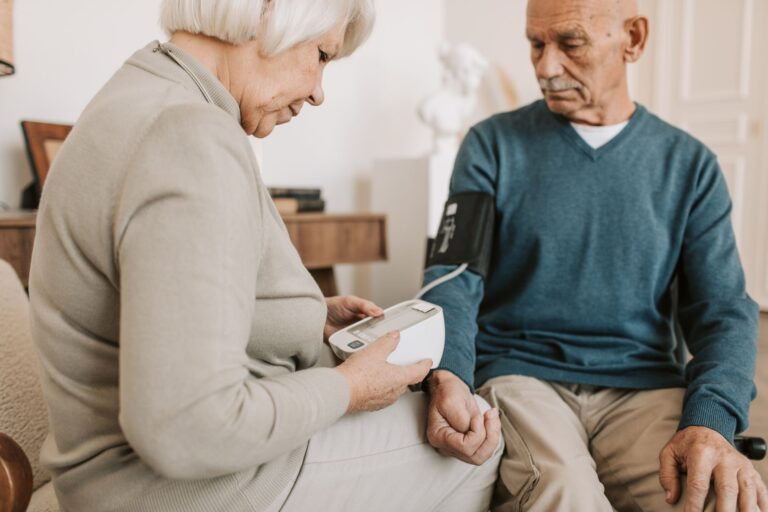
Caregiver resources sits at the center of this dementia and brain health question.
Yes—caregiver resources are expanding significantly as the Alzheimer’s patient population reaches historic levels. As of 2025, 7.2 million Americans aged 65 and older have Alzheimer’s dementia, the first time the population exceeded 7 million. To support the 11.5 million family caregivers caring for these patients, the federal government and healthcare systems have launched multiple new programs, expanded eligibility for home care assistance, and introduced innovative support technologies. For example, Medicare’s new GUIDE Model now reimburses up to $2,500 annually per patient for respite services—funds that can pay for in-home care or adult day centers, directly easing caregiver burden. This article explores the scale of the challenge, the new federal initiatives driving expansion, changes to home care eligibility, technological innovations, and why significant gaps remain for many families despite these advances.
The growth in resources reflects an urgent demographic reality. All baby boomers will reach age 65 by 2030, a shift that will continue driving increased Alzheimer’s prevalence for years to come. Without breakthroughs in prevention or treatment, the Alzheimer’s patient population is projected to reach 12.7 million by 2050. Deaths from Alzheimer’s have already surged 142% between 2000 and 2022. These trends have pushed policymakers and healthcare providers to act—but expansion of resources is not keeping pace evenly across all communities or all types of families.
Table of Contents
- Understanding the Scale of Need Driving Resource Expansion
- New Federal Programs and Medicare Coverage Changes
- Expanded Home Care Eligibility and In-Home Support Services
- Technology and Innovation in Caregiver Support
- Persistent Gaps and Why 66% of Caregivers Still Struggle
- Prioritizing Equity and Reaching Underserved Communities
- Looking Ahead: The Future of Alzheimer’s Caregiver Support
- Conclusion
Understanding the Scale of Need Driving Resource Expansion
The numbers tell the story of why new caregiver resources have become a national priority. With 11.5 million family caregivers already stretched thin, the Alzheimer’s Association reports that 66% of caregivers struggle to find helpful resources to support their needs. Many are working full-time jobs while managing the physical and emotional demands of caring for a loved one with cognitive decline. These are not abstract percentages—they represent millions of adult children, spouses, and other family members navigating complex care decisions with minimal support.
The demographic wave makes this more urgent. Unlike other health conditions that affect people across the lifespan, Alzheimer’s concentrates in the older adult population, and the baby boom generation is moving into peak-risk years. By 2030, every single baby boomer will be age 65 or older. This means the number of people at risk for Alzheimer’s will spike within the next five years, followed by sustained high prevalence through at least mid-century. Waiting for resources to expand is not an option—the need is already here.

New Federal Programs and Medicare Coverage Changes
In response, the federal government has launched or expanded several major initiatives. The Medicare GUIDE (Guiding an Improved Dementia Experience) Model, implemented in 2024 and expanding through 2026, covers comprehensive care coordination and caregiver support. Importantly, it reimburses up to $2,500 annually per patient for respite services—meaning caregivers can finally access paid relief without depleting family savings. This money can fund in-home care workers, adult day center attendance, or facility-based respite stays.
The BOLD (Building Our Largest Dementia) Infrastructure for Alzheimer’s Act, passed earlier in the decade, awards federal grants to state, local, and territorial health departments for dementia surveillance and caregiver support programs. This is not a one-time fund; it represents ongoing federal commitment to building infrastructure. Additionally, the NAPA (National Alzheimer’s Project Act) Authorization Act, signed into law in October 2024, continues federal coordination of Alzheimer’s programs through 2035. However, a critical limitation is that these federal programs rely on state and local implementation, and resources are unevenly distributed—rural areas and lower-income communities often receive proportionally less funding and build out services more slowly.
Expanded Home Care Eligibility and In-Home Support Services
One of the most direct expansions affecting caregivers is the 2026 update to In-Home Supportive Services (IHSS) eligibility. Mental health and cognitive impairments—specifically dementia and Alzheimer’s disease—are now formally recognized as qualifying conditions for personal care assistance. This means more seniors with early-stage cognitive decline can qualify for paid in-home care workers without requiring a hospitalizing crisis first.
This expansion comes with an important training requirement: IHSS caregivers must now complete updated training on dementia care, mental health first aid, and infection control. This ensures that the personal care workers entering homes have at least baseline knowledge of how to interact with and support someone experiencing cognitive changes. The limitation here is that while eligibility has expanded, actual capacity has not necessarily kept pace—worker shortages in home care remain endemic, particularly in less densely populated areas where recruiting and retaining caregivers is difficult.

Technology and Innovation in Caregiver Support
New technologies are beginning to ease the isolation and decision fatigue that many caregivers experience. The NIH-funded BRAIN Project, implemented through the MetroWest Alzheimer Partnership in the Boston area, uses artificial intelligence to generate personalized activity recommendations for dementia patients. Instead of family caregivers having to figure out what activities their loved one might enjoy or tolerate, the system suggests options tailored to that specific person’s history and current abilities. This reduces the cognitive load on families and can improve quality of life for patients.
Telehealth services have also expanded significantly. Virtual support groups, therapy sessions, and caregiver training programs are now available through specialized platforms designed for older adults. These services remove the barrier of travel—a major advantage for caregivers in rural areas or those managing care for someone with mobility challenges. Additionally, new respite care options including short-term adult day care, trained substitute caregivers, and virtual respite services are being piloted in various regions. A practical tradeoff is that while telehealth removes travel barriers, not all caregivers or care recipients have reliable internet or comfort with technology—digital expansion leaves behind those without adequate connectivity or digital literacy.
Persistent Gaps and Why 66% of Caregivers Still Struggle
Despite these expansions, the reality remains sobering: two-thirds of caregivers still report difficulty finding helpful resources. This gap reflects several realities. First, awareness is low—many caregivers don’t know these programs exist, and information is scattered across federal websites, state agencies, and nonprofit organizations. Second, access remains geographically and economically stratified. The Medicare GUIDE Model is available in select regions and covers only certain respite services.
IHSS eligibility has expanded but actual IHSS services differ dramatically by state and county. A family in San Francisco may find robust services; a family in rural West Virginia faces a much thinner landscape. Time poverty is another barrier. Many caregivers cannot attend support groups or training sessions because they cannot leave their care recipient unattended. Even virtual programs demand time and cognitive energy when caregivers are already running on empty. The warning here is not to assume that simply making resources available solves the problem—accessibility requires meeting caregivers where they are, with flexibility around their availability and circumstances.

Prioritizing Equity and Reaching Underserved Communities
A key part of the federal expansion strategy explicitly addresses historical inequities. The public health approach includes targeted support for African American and Black communities, Latino and Hispanic populations, American Indian and Alaska Native communities, and people with intellectual and developmental disabilities.
These populations face disproportionate risks for Alzheimer’s and related dementias but have historically had even less access to information, quality care, and caregiver support. Reaching these communities requires more than generic program expansion—it requires culturally informed outreach, programs delivered in primary languages, and funding that recognizes the reality that many caregivers in these communities work in jobs without paid leave and have fewer financial resources to absorb costs. An example of this approach is the MetroWest Alzheimer Partnership’s deliberate effort to serve diverse aging populations in the Boston area, including culturally specific programming and partnerships with community health centers.
Looking Ahead: The Future of Alzheimer’s Caregiver Support
As the Alzheimer’s population accelerates toward 12.7 million by 2050, caregiver support will remain a critical policy focus. The fact that federal laws like NAPA were reauthorized through 2035 signals long-term commitment, but it also reflects the expectation that the challenge will intensify for at least the next decade.
The innovations rolling out now—AI-powered activity recommendations, telehealth, respite reimbursal—will likely become more integrated and accessible, but only if funding continues and implementation expands beyond current pilot regions. The real measure of progress will not be the announcement of new programs but the experience of individual families. When a 65-year-old with early cognitive decline can access a dementia care coordinator, when the adult child caring for their parent can afford monthly respite without bankruptcy, when support is available in their language and culturally appropriate for their community—then the expansion of resources will have truly matched the scale of need.
Conclusion
Caregiver resources are expanding in meaningful ways. Medicare now covers respite care, federal grants are flowing to state and local programs, home care eligibility has broadened, and innovative technologies are beginning to reduce isolation and decision fatigue for families. These are not small changes.
However, expansion is outpaced by the sheer volume of need. With 7.2 million Americans currently living with Alzheimer’s and projections reaching 12.7 million by 2050, the resources, while growing, still leave the majority of caregivers reporting difficulty finding adequate support. The path forward requires sustained investment, intentional outreach to underserved communities, and accountability for not just the existence of programs but their actual accessibility and utility for working families, rural communities, and populations with the fewest resources. For caregivers navigating this landscape now, the expanded programs offer real relief—but success depends on knowing these options exist and having the time, proximity, and eligibility to access them.
You Might Also Like
- Care Facility Accountability Highlighted in Alzheimer’s Patient Protection Case
- Collaborative Care Networks Enhance Alzheimer’s Treatment Delivery
- Subtle Behavioral Changes May Predict Alzheimer’s Disease Onset
For more, see Alzheimer’s Association — clinical trials.