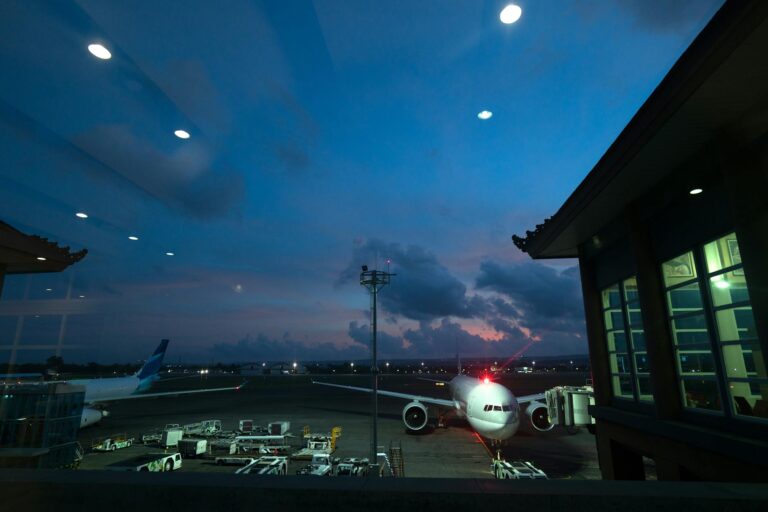
On March 23, 2026, at approximately 11:40 p.m. EST, a Jazz Aviation flight operating as Air Canada Flight 8646 collided with a Port Authority Aircraft Rescue and Firefighting (ARFF) truck on Runway 4 at LaGuardia Airport in New York City—an incident that not only raised urgent questions about aviation safety, but also highlighted the vulnerability of elderly passengers and those with cognitive decline in emergency situations. Two pilots lost their lives in the collision, while 41 people were transported to hospitals, with 32 later released from medical care. For dementia patients and their caregivers, this tragedy underscores a critical concern: how cognitive decline affects the ability to respond quickly to emergencies and the particular risks faced by older adults traveling by air.
The crash occurred when an air traffic controller had cleared the ARFF truck to cross Runway 4, but issued multiple stop commands immediately before the collision took place. At impact, the aircraft was traveling at 93-105 mph. The incident closed LaGuardia Airport during the investigation, which was led by the National Transportation Safety Board (NTSB) with involvement from Canada’s Transportation Safety Board. Beyond the immediate tragedy, this event raises important questions about how people with dementia should prepare for air travel, the cognitive demands of emergency evacuation procedures, and how airports can better serve vulnerable populations during crises.
Table of Contents
- What Happened in the LaGuardia Airport Collision?
- The Cognitive Impact of Traumatic Aviation Incidents
- Safety Risks for Elderly and Dementia Patients During Air Travel
- Emergency Response Protocols and Communication Challenges
- Preparation and Risk Mitigation for Vulnerable Travelers
- Long-Term Support for Survivors with Cognitive Concerns
- Moving Forward: Enhanced Safety Standards and Awareness
- Conclusion
What Happened in the LaGuardia Airport Collision?
The incident at LaGuardia airport represents a rare but catastrophic breakdown in ground operations. Air Canada Flight 8646 had arrived from Montreal carrying 72 passengers and 4 crew members. As the aircraft was taxiing on runway 4 at taxiway Delta, the air traffic controller authorized an ARFF truck to cross the runway—a routine procedure in airport operations. However, in the moments before the aircraft reached the intersection, the controller issued multiple immediate stop commands to the ground vehicle, but the truck and aircraft collided at a high impact speed of 93-105 mph. The force of the collision was catastrophic: the two pilots in the cockpit were killed instantly, and dozens of passengers suffered injuries ranging from minor to serious.
The 76 people aboard the aircraft experienced a sudden, violent event that left them in shock and requiring immediate medical attention. Emergency responders rushed to the scene, and 39 people from the aircraft were transported to hospitals along with 2 people from the ARFF truck. Most survivors were later released from medical care, but some sustained significant injuries. For passengers—particularly older travelers with dementia or cognitive decline—experiencing such a traumatic event can have lasting psychological effects. The cognitive confusion, disorientation, and fear that accompany a major accident can be especially damaging for individuals whose memory and processing abilities are already compromised.

The Cognitive Impact of Traumatic Aviation Incidents
Traumatic events like aviation accidents create what neuropsychologists call “acute stress reactions,” which can have profound effects on brain health and cognitive function. For individuals with mild cognitive impairment or early-stage dementia, the sudden shock of an accident can trigger exacerbated confusion, memory disturbances, and anxiety that persists long after the physical injuries heal. Studies in post-trauma neuroscience show that high-stress events activate the amygdala—the brain’s fear center—and can temporarily impair the functioning of the prefrontal cortex, which is responsible for rational thinking and decision-making. In people whose cognitive reserves are already diminished, this effect is magnified, potentially accelerating cognitive decline and increasing the risk of developing post-traumatic stress disorder (PTSD).
The survivors of the LaGuardia collision will likely experience lasting psychological aftereffects, and for those with dementia, the trauma can be particularly destabilizing. They may struggle to process what happened, become more agitated or withdrawn, and experience increased difficulty with daily cognitive tasks like remembering medication schedules or recognizing family members. However, with proper psychological support, cognitive rehabilitation, and consistent reassurance from caregivers, many trauma survivors—including those with cognitive decline—can recover some functional capacity and emotional stability. The key difference is that dementia patients require more intensive, ongoing support and may not regain their baseline cognitive function in the same way younger, cognitively intact individuals can.
Safety Risks for Elderly and Dementia Patients During Air Travel
For families considering air travel with a loved one who has dementia, the LaGuardia incident serves as a sobering reminder of the unique vulnerabilities involved. Dementia patients often struggle with new environments, confusing procedures, and sudden changes—all of which are inherent in air travel. The evacuation procedures required in an emergency demand quick thinking, physical mobility, and the ability to follow complex instructions in a chaotic environment. Someone with moderate to advanced dementia may not understand evacuation commands, may panic, or may wander away from safety zones, putting themselves and rescue workers at increased risk.
Before boarding an aircraft, dementia patients should be medically cleared by their physician, travel with a caregiver who can assist them, and carry clear identification indicating their condition. Airlines should be informed in advance that a passenger has cognitive decline, allowing staff to provide additional assistance during boarding, in-flight procedures, and emergency protocols. Some dementia patients wear medical alert bracelets or identification cards that could be crucial for responders to understand their condition and communicate effectively in an emergency. Additionally, caregivers should familiarize themselves with the aircraft’s emergency procedures, including the location of exits and assembly areas, and should have a plan for how to help their loved one remain calm and oriented if turbulence or other stressful in-flight events occur.

Emergency Response Protocols and Communication Challenges
The LaGuardia collision highlights the complexity of coordinating multiple teams in a high-pressure environment. Air traffic controllers, ground vehicles, and aircraft crews must work in perfect synchronization, with clear communication being paramount. In this case, the controller issued stop commands to the ARFF truck, but the collision still occurred—raising questions about whether the truck operator heard or understood the instruction in time, or whether there was a mechanical delay in the vehicle’s braking response. This breakdown in communication and coordination had fatal consequences.
For emergency responders arriving at the scene, one challenge is assessing and triaging the injured—especially older survivors who may have pre-existing medical conditions, cognitive impairment, or difficulty articulating their symptoms. Paramedics and hospital staff need to know whether a patient has dementia, as this affects how they communicate, how they respond to stress, and what cognitive support they need in recovery. In the aftermath of the LaGuardia incident, proper documentation of survivor information, identification of those with cognitive conditions, and coordinated hospital care would have been essential to ensuring all 76 people received appropriate treatment. Dementia patients may become more confused and combative in hospital settings, requiring specialized geriatric care and family involvement in their treatment plans.
Preparation and Risk Mitigation for Vulnerable Travelers
While aviation remains statistically very safe, families with elderly or dementia-affected relatives should take deliberate steps to reduce risks and prepare for emergencies. This includes comprehensive travel insurance that covers medical evacuation and cognitive support services, pre-travel medical consultations, and arrangements with airlines for special assistance. However, some situations may make air travel inadvisable for dementia patients: those in advanced stages of the disease, those with severe anxiety or agitation, or those with medical conditions that make cabin pressure or prolonged immobility problematic should consider alternative transportation or postponing travel.
Caregivers should create a detailed medical summary to carry with them, including the patient’s medications, allergies, cognitive baseline, behavioral triggers, and contact information for physicians and family members. In an emergency evacuation, the dementia patient may not remember evacuation procedures discussed before flight, so the caregiver’s role in providing real-time guidance, reassurance, and physical assistance is critical. Training programs like those offered by some airlines and geriatric organizations can help caregivers prepare for various in-flight scenarios and emergency protocols, reducing panic and improving outcomes if an actual incident occurs.

Long-Term Support for Survivors with Cognitive Concerns
Survivors of the LaGuardia collision will require not just immediate medical care, but ongoing psychological and neurological support to address trauma-related effects on cognitive function. For older survivors or those with pre-existing dementia or mild cognitive impairment, neuropsychological evaluation is recommended within weeks of the incident to establish a baseline of cognitive functioning and identify any trauma-related changes. Cognitive rehabilitation therapies, including memory support techniques and graded exposure to the triggers of their trauma (such as air travel or airports), can help survivors gradually rebuild confidence and cognitive resilience.
Mental health support is equally crucial, with trauma-focused therapies like cognitive processing therapy and prolonged exposure therapy showing effectiveness in treating PTSD in older adults. Support groups for disaster survivors can provide community, shared understanding, and practical coping strategies. Family members, particularly caregivers of dementia patients, should also seek support and education, as they may experience secondary trauma and caregiver burnout—both of which can impair their own cognitive function and capacity to provide care.
Moving Forward: Enhanced Safety Standards and Awareness
The LaGuardia incident will undoubtedly lead to investigations into ground operations procedures, air traffic control protocols, and vehicle safety systems at airports. The NTSB investigation, with participation from Canadian authorities, will examine whether the collision resulted from human error, equipment failure, communication breakdown, or a combination of factors. These findings will likely inform updates to safety procedures, training requirements, and potentially the adoption of new collision-avoidance technologies for ground vehicles operating near runways.
For the broader aviation industry and healthcare community, the tragedy reinforces the need for better protocols and training regarding elderly and cognitively impaired passengers. Airports, airlines, and emergency responders should develop more comprehensive strategies for identifying vulnerable passengers, providing appropriate in-flight support, and managing their care in emergencies. As populations age and more individuals with dementia continue to travel, the aviation industry must evolve to meet the safety and care needs of this growing demographic.
Conclusion
The plane and vehicle collision at LaGuardia Airport on March 23, 2026, serves as a tragic reminder of the sudden, unpredictable risks inherent in air travel—and the particular vulnerability of elderly passengers and those with cognitive decline. Two pilots lost their lives, dozens were injured, and families were forever changed by this catastrophic incident. For dementia patients and their caregivers, the tragedy underscores the importance of careful preparation, medical coordination, and realistic assessment of whether air travel is appropriate for their loved one’s current cognitive and physical status.
Moving forward, stakeholders throughout the aviation and healthcare industries have an opportunity to learn from this incident and strengthen safety protocols, emergency response procedures, and support systems for vulnerable travelers. While we cannot prevent all accidents, we can work to ensure that older adults with cognitive concerns receive appropriate pre-travel screening, in-flight assistance, emergency support, and post-incident psychological care. Through enhanced communication, specialized training, and a deeper understanding of dementia and cognitive decline, the aviation community can better protect and serve this important population.