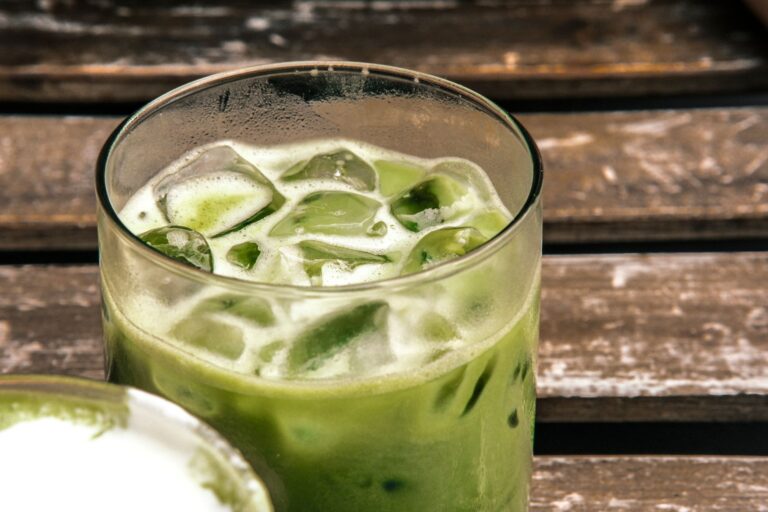
No. Pickle juice is not an established treatment for memory loss or dementia, and no human evidence here shows that it improves cognition.
The National Institute on Aging says no specific food has been shown to prevent Alzheimer's disease or age-related cognitive decline. The "electrolyte theory" assumes that the sodium and potassium in pickle juice improve hydration and, in turn, brain function. That may sound plausible, but the available pickle-juice studies measured short-term blood and hydration changes—not memory or dementia.
Medical information disclaimer: This article is for general educational purposes only and does not provide medical advice, diagnosis, or treatment. Always consult a physician or other qualified health professional about symptoms, medications, tests, or treatment decisions.
Table of Contents
- What did the pickle-juice studies actually find?
- Does the sodium help or create a concern?
- Can pickle juice treat dementia?
- What should someone with memory changes do?
What did the pickle-juice studies actually find?
In a 2009 study, nine healthy, well-hydrated men drank 1 milliliter of pickle juice per kilogram of body weight. The researchers found no meaningful change in plasma electrolytes, osmolality, or plasma volume during the following hour, according to the Journal of Athletic Training study. A 2014 crossover study examined nine dehydrated, physically active adults.
They consumed about 79 milliliters of pickle juice containing roughly 1.5 grams of sodium. Their plasma sodium, potassium, osmolality, and volume did not change within 60 minutes, and the drink did not replace their sweat-related fluid or electrolyte losses, according to the second Journal of Athletic Training study. These experiments do not establish whether pickle juice affects memory. They involved very small groups of young, physically active people and did not measure cognition, Alzheimer's biomarkers, or dementia progression.
Does the sodium help or create a concern?
The study containing about 1.5 grams of sodium delivered approximately 1,500 milligrams in 79 milliliters of pickle juice. That is roughly two-thirds of the FDA's recommended daily maximum for people age 14 and older. The FDA recommends no more than 2,300 milligrams of sodium per day. It also identifies excess sodium as a cause of high blood pressure, a leading cause of heart disease and stroke.
This does not prove that a particular amount of pickle juice harms cognition. It does mean that its sodium content deserves more attention than unsupported claims about electrolyte-related memory benefits. The National Institute on Aging has reported a mouse study in which excessive salt increased tau and caused cognitive impairment. Animal findings can suggest a biological possibility, but they do not prove that pickle juice helps or harms human memory.
Can pickle juice treat dementia?
alzheimer's disease has no known cure. The National Institute on Aging identifies FDA-approved prescription medicines—not pickle juice—as options for managing symptoms or treating the disease in selected patients. Managing symptoms and treating disease are not the same as curing dementia.
Eligibility for prescription treatment also requires medical assessment; a food or drink cannot substitute for that process. A person may enjoy pickle juice as a food, but the available evidence does not support using it as a memory remedy. Its electrolyte content does not turn it into a dementia treatment.
What should someone with memory changes do?
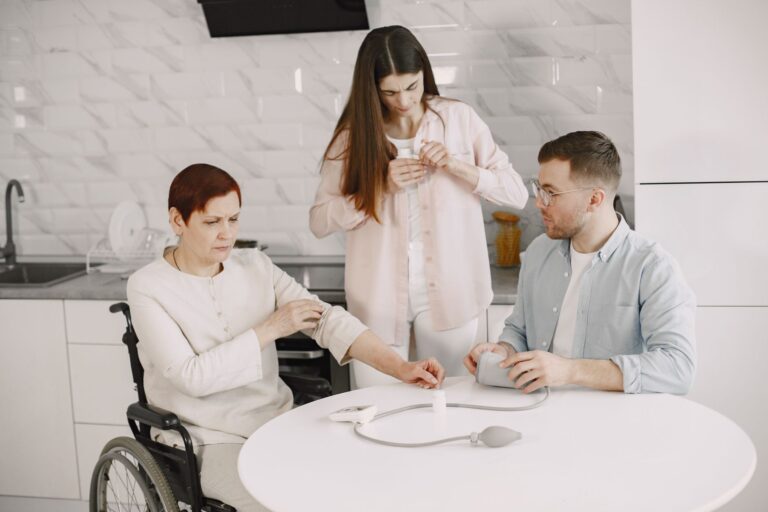
Noticeable memory problems do not always mean Alzheimer's disease. Possible explanations include mild cognitive impairment, dementia, medication effects, depression, sleep problems, nutritional deficiency, or another medical illness.
Before an assessment, it may help to: The National Institute on Aging advises people with noticeable memory changes to seek medical assessment rather than self-treating. Arrange that assessment instead of starting pickle juice as a memory-loss treatment.
- Write down the specific memory changes and when they began.
- Bring a complete list of medicines and supplements.
- Note changes in sleep, mood, diet, or recent illness.
- Ask which possible causes are being evaluated.