Patient safety sits at the center of this dementia and brain health question.
Patient safety advocates are pushing healthcare systems to adopt stricter clinical protocols, better training requirements for dementia care staff, and more robust monitoring systems to reduce preventable harm in Alzheimer’s care settings. These efforts focus on addressing critical gaps that have emerged from decades of inadequate oversight—including unsafe medication practices, falls, nutritional neglect, and behavioral health crises that occur when facilities lack proper dementia-specific protocols. For example, research from the Centers for Medicare & Medicaid Services found that nursing homes with inadequate dementia training had twice the rate of pressure injuries and medication errors compared to facilities with certified dementia care specialists. This article explores what specific standards advocates are demanding, why current care falls short, and what changes are beginning to reshape how facilities approach Alzheimer’s patient safety.
Table of Contents
- What Safety Standards Are Patient Advocates Demanding?
- Why Current Care Standards Fall Short
- Real-World Examples of Safety Failures Advocates Address
- How Facilities Can Implement Better Standards
- Medication Management and Behavioral Protocols
- Family Involvement and Advocacy
- The Future of Dementia Care Standards
- Conclusion
- Frequently Asked Questions
What Safety Standards Are Patient Advocates Demanding?
Advocates are calling for three primary changes to Alzheimer’s care standards: mandatory dementia certification for direct care staff, standardized protocols for managing behavioral symptoms without overmedication, and transparent incident reporting systems that track safety failures. Currently, many states allow certified nursing assistants to work with Alzheimer’s patients with only general healthcare training—no dementia-specific education required. The Alzheimer’s Association and similar organizations have pushed for at minimum 40-60 hours of specialized dementia care training before staff interact with patients, covering topics like communication with cognitive decline, de-escalation techniques, and recognizing signs of medical emergencies in patients who cannot communicate symptoms.
The medication overuse issue is particularly urgent. Studies show that patients in facilities without dementia-trained staff receive antipsychotics at nearly three times the rate of facilities with trained personnel, despite FDA warnings about these drugs increasing stroke and mortality risk in dementia patients. Advocates want facilities to adopt standardized behavioral assessment tools before prescribing psychiatric medications, creating documented trails showing alternatives were attempted first. A facility in Massachusetts that implemented this protocol reduced antipsychotic prescriptions by 43% within 18 months while actually seeing improvements in behavioral incidents, suggesting the issue isn’t inadequate medication but inadequate non-pharmacological training.

Why Current Care Standards Fall Short
Most dementia care standards are borrowed from general nursing protocols rather than specifically designed for cognitive decline. General protocols assume patients can follow safety instructions, report pain, and communicate concerns—assumptions that don’t hold for Alzheimer’s patients. A patient cannot tell you they’re in pain from a urinary tract infection; they become agitated, and untrained staff may respond with sedating medications instead of investigating the underlying cause. This fundamental gap creates a cascade of harm that current regulations don’t prevent.
Regulatory oversight is also fragmented. Medicare sets some standards, states set others, and individual facilities can exceed minimums but often don’t because it costs more. However, if a facility operates across multiple states, they face different requirements in each location, creating confusion and incentivizing them to adopt the lowest common denominator. A facility in Connecticut might exceed standards due to state requirements while their sister facility across the border in Massachusetts operates with minimal dementia training because state regulations allow it. This patchwork approach means patient safety depends largely on where they live rather than clinical best practices.
Real-World Examples of Safety Failures Advocates Address
In 2022, investigations at multiple Florida nursing homes revealed that dementia patients were being left unattended during meals and were aspirating food—a preventable cause of pneumonia and death. Autopsies showed these patients had advanced swallowing difficulties that facilities’ staff couldn’t recognize because staff lacked training in dysphagia assessment specific to dementia. None of the facilities had documentation showing they’d evaluated whether patients could safely eat regular food. Advocates used these cases to push for mandatory swallowing screening protocols and staff training on feeding safety.
Another pattern involves restraint use. Despite regulations discouraging restraints, some facilities still use them to manage agitation—tying patients in wheelchairs or beds because staff lack training in environmental modification and communication techniques that could prevent agitation. A patient with advancing dementia who becomes agitated when transferred is often physically restrained rather than having staff trained to recognize what triggers agitation and modify the approach. Studies from facilities that eliminated restraints through staff training found agitation actually decreased once patients felt less threatened.

How Facilities Can Implement Better Standards
Facilities have several practical pathways to improve. The most common is hiring certified dementia care specialists and training existing staff through programs like the Certified Nursing Assistant with Dementia Specialization (available in 22 states). Another approach is implementing environmental modifications—removing clocks and calendars that confuse disoriented patients, creating secure outdoor spaces for wandering, using color-coding for restrooms—that reduce behavioral crises before medications become necessary. These aren’t just theoretical; a facility comparing a standard unit to a dementia-redesigned unit found incident reports dropped 34% in the modified unit while staff satisfaction increased.
However, there’s a real tradeoff: quality dementia care training costs money and takes time away from other duties. A 60-hour dementia certification for a full care staff at a 100-bed facility means approximately 4,000 staff hours invested in training. Smaller facilities struggle with this cost more than large chains. Some advocates argue this should be federally funded like other healthcare training requirements, while others believe facilities should bear the cost as part of their operating expenses. Either way, cost remains a barrier preventing universal adoption.
Medication Management and Behavioral Protocols
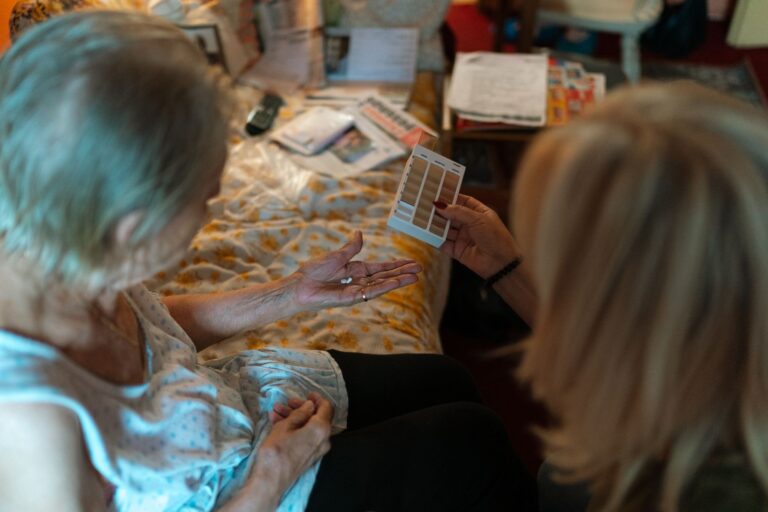
The most controversial area advocates are addressing is psychiatric medication use in dementia. The challenge is that some patients genuinely need medication—an Alzheimer’s patient with severe agitation that puts them or others at risk may need antipsychotics. But the evidence shows many facilities use them preventatively or for convenience rather than clinical necessity. Advocates push for documented behavioral assessment protocols: trying environmental modifications, addressing potential medical causes (infections, pain, constipation), implementing structured activities, and only then considering medication if the patient’s safety is truly at risk.
A warning here is critical: reducing medications works when trained staff implement alternatives. If a facility removes antipsychotics without training staff in behavioral de-escalation and environmental modification, agitation worsens and families demand medication again. Some advocates’ pushes for lower medication use have backfired when implemented in facilities without the corresponding staff training infrastructure, leading to chaotic units and staff burnout. The standard must include the full package—training, environmental design, protocols, and medication use as a last resort—not just medication reduction alone.

Family Involvement and Advocacy
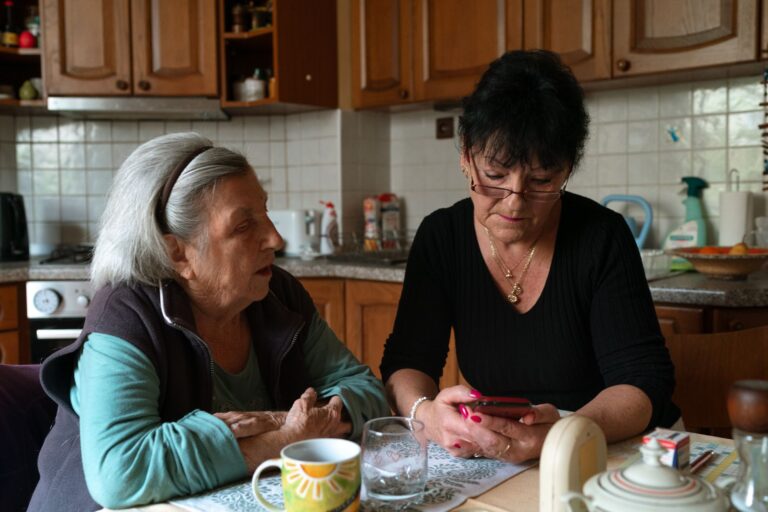
Advocates increasingly emphasize that families are essential partners in preventing safety failures. Patients can’t report problems, so families must visit regularly, recognize changes in baseline function or unusual medications, and raise concerns immediately. Some advocates push for facilities to provide families with specific monitoring checklists: Is your loved one appearing more sedated? Has behavior changed since a medication adjustment? Are they maintaining weight? These structured observations help families identify problems faster.
A limitation to this approach is that not all patients have engaged families. Some live in facilities far from relatives, some have no family, and even when families are present, they may not recognize subtle safety issues like early signs of infection. Facilities can’t rely on families as the primary safety monitoring system; professional oversight and trained staff remain essential.
The Future of Dementia Care Standards
Several trends suggest Alzheimer’s care standards will continue evolving. Insurance companies and CMS are increasingly linking facility reimbursement to safety metrics—hospitals with high rates of falls, infections, or medication incidents receive lower payments. This financial pressure is beginning to push facilities toward better training and protocols faster than regulations alone.
Additionally, technology companies are developing monitoring systems specifically designed for dementia units: wearables that detect falls before they cause injury, AI systems that flag medication interactions specific to dementia, and communication tools adapted for cognitive decline. The broader shift is toward recognizing dementia care as a specialized medical field, not just general nursing applied to older patients. As this professionalization continues, standards will likely become more specific, training requirements more universal, and oversight more rigorous. Advocates see this as long overdue—dementia is now the 6th leading cause of death in the U.S., affecting nearly 6 million Americans, yet care standards have lagged behind other major chronic diseases.
Conclusion
Patient safety advocates have identified critical gaps in current Alzheimer’s care standards, particularly in staff training, medication management, and behavioral protocols. The evidence shows that facilities investing in dementia-specific training and protocols see measurable improvements in safety outcomes and often lower costs through fewer preventable complications. These improvements aren’t theoretical—they’ve been demonstrated in hospitals and long-term care facilities across the country.
The challenge ahead is scaling these improvements universally. Some states are moving toward mandatory dementia certification, some facilities are innovating on their own, and insurance incentives are pushing change. For families navigating care decisions now, the key takeaway is that dementia care quality varies dramatically by facility and region. Asking about staff training, medication protocols, and environmental design helps identify facilities already meeting higher standards, and advocating for these improvements at your loved one’s facility can drive faster change.
Frequently Asked Questions
Does my facility have to have certified dementia care staff?
It depends on your state. Some states require it, most don’t. Medicare and Medicaid don’t mandate it nationally. You can request this information when evaluating facilities and advocate for it at your current facility.
Are antipsychotic medications ever appropriate for Alzheimer’s?
Yes, but only after behavioral interventions have been tried and documented. They should be used at the lowest effective dose for the shortest duration necessary, with regular reassessment. If your loved one is on antipsychotics, ask the facility what behavioral interventions have been attempted and what the plan is for gradually reducing the medication.
What should I look for when choosing an Alzheimer’s care facility?
Ask about staff dementia training and certification rates, policies on medication use for behavioral management, how they handle falls and injuries, visitor policies, and whether they can provide examples of recent safety improvements they’ve made.
How often should I visit to monitor safety?
Ideally weekly or more frequently. Regular visits help you establish baseline behavior and notice changes. However, professional oversight and trained staff are the primary safety systems—families can support but shouldn’t be the main safety monitor.
Can I request changes to my loved one’s medication?
Yes. If medications increase significantly or without clear behavioral reason, request a meeting with the physician and care team. Ask what behavioral interventions have been tried and why medication was chosen. You have the right to request a second opinion and to decline certain medications.
What should I do if I notice a safety problem?
Document the issue (date, time, what happened), report it to the facility management immediately, follow up in writing, and contact your state’s nursing home ombudsman if the facility doesn’t respond appropriately. Ombudsmen are free advocates for residents.
You Might Also Like
- New Hope Emerges for Alzheimer’s Patients and Caregivers
- Caregivers Find Support and Education at Alzheimer’s Conferences
- Long-Term Safety Data Released for Major Alzheimer’s Treatment
For more, see National Institute on Aging.