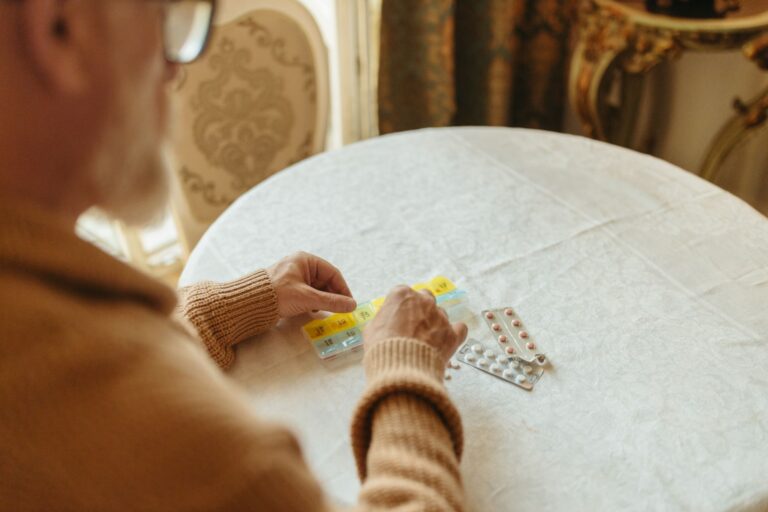
No-cook food preparation means serving meals assembled from ready-to-eat ingredients rather than cooked on a stove or in an oven. For a person with Alzheimer's disease, it removes the leading safety risk in the kitchen while still delivering balanced, appealing meals. Alzheimer's disease progressively damages memory and judgment, which is exactly what makes stove cooking dangerous for someone living with it. A caregiver who shifts meal prep to no-cook methods can keep mealtimes going without supervising a burner around the clock.
Medical information disclaimer: This article is for general educational purposes only and does not provide medical advice, diagnosis, or treatment. Always consult a physician or other qualified health professional about symptoms, medications, tests, or treatment decisions.
Table of Contents
- Why Stove Cooking Becomes a Safety Problem
- What Supplies and Kitchen Setup to Use
- What to Serve
- How to Present the Meal
- Choking Hazards to Screen Out
Why Stove Cooking Becomes a Safety Problem
A person with dementia can start a task and forget it mid-step. The University of Arizona Center on Aging warns that someone with dementia can leave a stove burner on for hours or overnight, or let a pot boil dry until it melts, and recommends reassessing cooking ability often as the disease progresses. This isn't a rare outcome.
American Family Physician's clinical review on burns in older adults identifies cooking accidents as a leading cause of major burns in this age group, and states that patients with significant cognitive deficits must stop cooking unless directly supervised. Because of this, no-cook preparation isn't a lesser substitute for cooked meals — it's the appropriate response once cooking ability has declined. It lets a caregiver remove the hazard without removing the person's meals.
What Supplies and Kitchen Setup to Use
Before stocking a no-cook pantry, address the stove itself. The Alzheimer's Association's home safety checklist recommends removing stove knobs, installing stove knob covers, or shutting off the gas supply between uses to prevent a person with dementia from starting or leaving a burner on. The same checklist advises storing knives and other sharp objects in a locked cabinet or drawer and disconnecting the garbage disposal to reduce injury risk.
These two steps — stove control and sharp-object storage — form the core of a no-cook kitchen setup, since they remove the tools a no-cook routine no longer needs. Stock supplies that need no heat and minimal cutting: pre-washed salad greens, canned fruit or fresh fruit cut in advance, pre-cooked proteins, bread, yogurt, and cheese. The Alzheimer Society of Canada suggests preparing several meals in advance on the weekend and freezing them, or stocking nutritious finger foods, as a practical way to cover days when a caregiver can't supervise stove use.
What to Serve
Brain & Life, published by the American Academy of Neurology, quotes nurse practitioner Suzanne Fitzsimmons recommending recipes with few ingredients and simple steps, favoring foods that need no cooking or can simply be assembled — green salad, fruit salad, or personal-size pizzas. Keeping the ingredient list short reduces the chance of a dropped or forgotten step mattering. As the disease progresses and self-feeding with utensils becomes harder, shift toward finger foods.
The Alzheimer's Association recommends bite-sized finger foods that are easy to self-feed, such as chicken nuggets, fish sticks, tuna sandwiches, orange segments, or steamed broccoli and cauliflower pieces. Pre-cooked proteins like rotisserie chicken or canned tuna fit this approach without requiring any stove use at assembly time. Build meals around two or three familiar components rather than a complex plate. A sandwich, fruit, and yogurt covers protein, fiber, and dairy without a single cooking step.
How to Present the Meal
How food reaches the table matters as much as what's on it. A Maryland Department of Aging caregiver handout advises offering one food item at a time rather than a full plate, since too much food at once can overwhelm or confuse someone with dementia.
The same handout recommends small, frequent meals over three large ones. Serving one item, then the next, keeps the person focused on eating rather than deciding what to pick up first. This pacing works especially well with finger foods, where each item can be set down individually as the last one is finished.
Choking Hazards to Screen Out
No-cook foods still carry risk if they're the wrong size or texture. The same Maryland handout warns caregivers to screen no-cook foods for choking hazards, naming small hard or round items like grapes and raw carrot pieces as examples to cut up or avoid.
Cut grapes in half or quarters, and slice raw carrots into thin sticks or cook them soft rather than serving them raw and whole. Apply the same check to any firm, round, or hard no-cook food before adding it to a rotation — nuts, whole cherry tomatoes, and hard candies carry the same risk profile.