The short answer: niacinamide itself does not cause flushing. The reaction you may have heard about is caused by niacin—a different form of vitamin B3—that might be present in a product due to contamination, conversion over time, or labeling confusion. When someone reports flushing after using a niacinamide product, it’s typically because the product contains niacin or has converted to niacin under certain storage conditions, not because niacinamide is the culprit.
This distinction matters enormously for anyone trying to use niacinamide for skin health or cognitive support without triggering uncomfortable reactions. This article walks through what niacinamide flushing actually is, why it happens, and how to use niacinamide safely on sensitive skin. We’ll cover the science behind the reaction, how contamination occurs in products, what concentrations are proven safe in clinical studies, and practical steps to avoid problems. Understanding the real cause of niacinamide flushing lets you decide confidently whether this beneficial nutrient is right for your skincare or health regimen.
Table of Contents
- What’s the Difference Between Niacinamide and Niacin?
- How Does Niacin Flushing Work at the Biological Level?
- Can Niacinamide Convert to Niacin or Get Contaminated?
- What Concentration of Niacinamide Is Actually Safe?
- How Does Individual Sensitivity Factor Into This?
- How Can You Prevent Problems When Using Niacinamide Products?
- Why Purity and Stability Matter for B3 Health Benefits
- Conclusion
What’s the Difference Between Niacinamide and Niacin?
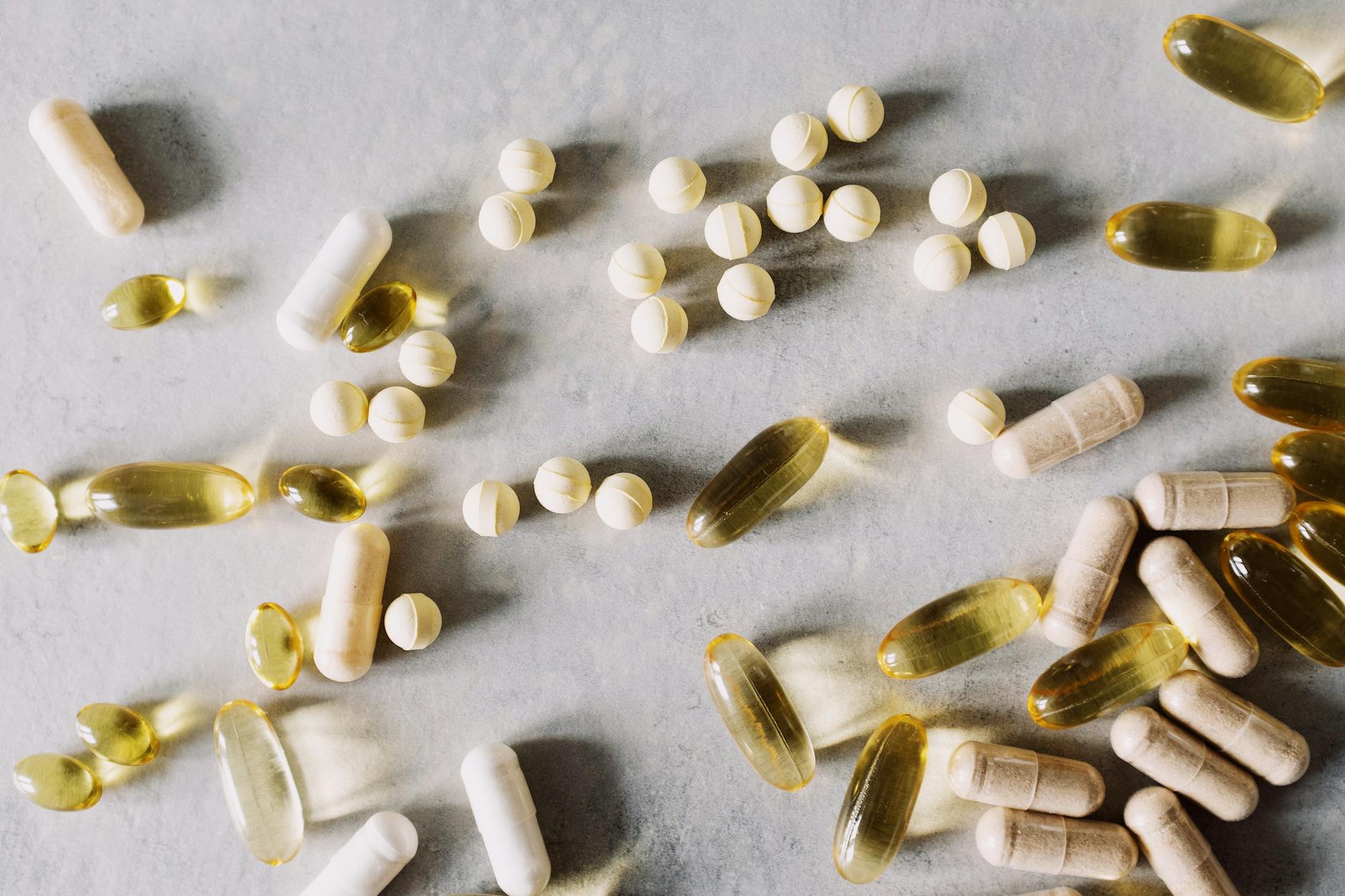
Vitamin B3 comes in multiple forms, but the two most common are niacin (also called nicotinic acid) and niacinamide (also called nicotinamide). Although they‘re both B3, they behave very differently in your body and on your skin. Niacin is a potent vasodilator—it actively widens blood vessels—and this vasodilation is what triggers the flushing sensation. Niacinamide, by contrast, does not have this vasodilating effect.
The two compounds have different molecular structures and different biological pathways, so conflating them is like confusing two different medications that happen to treat the same condition. The confusion arises partly because both forms can be converted into each other under certain conditions, and partly because some raw niacinamide powder supplies can be contaminated with niacin residue from manufacturing. If you’ve ever experienced an intense flush, heat, redness, or tingling when using a “niacinamide” product, the ingredient actually doing the damage was likely niacin, not the niacinamide itself. This is why checking product quality and understanding what’s actually in your bottle matters so much.
How Does Niacin Flushing Work at the Biological Level?
Niacin triggers flushing through a well-documented mechanism: it stimulates the release of prostaglandins, which are hormone-like substances in your body that cause blood vessels in the skin to dilate. When capillaries near the surface widen rapidly, blood rushes into those vessels, creating visible redness, a sensation of heat, and often tingling or itching. This happens within minutes of niacin exposure and can last anywhere from a few minutes to an hour, depending on the dose and individual sensitivity.
The flushing response is actually a known pharmacological effect—niacin is sometimes used therapeutically to treat cholesterol, and flushing is an accepted (though unpleasant) side effect. However, niacinamide does not trigger this same response because it doesn’t activate the prostaglandin pathway in the same way. This is why clinical trials using pure niacinamide at concentrations between 2-10% have reported zero cases of actual flushing, even in people with sensitive or rosacea-prone skin. If you’re experiencing true flushing, it’s a red flag that niacin is present in the product.
Can Niacinamide Convert to Niacin or Get Contaminated?
Yes, and this is where product stability becomes critical. Raw niacinamide powder—especially from certain suppliers—can contain residual niacin from the manufacturing process. One documented case found 0.8% niacin present in raw niacinamide powder; when that powder was incorporated into a formulation with lactic acid at pH 4.1, the niacin content actually increased to 1.2% over six weeks of storage at room temperature. This conversion happens when niacinamide is exposed to acidic conditions, heat, or light over time, gradually shifting some of the niacinamide molecules into niacin form.
This has real implications for skincare products sitting on store shelves. A serum or cream that was pure niacinamide when manufactured could develop niacin through chemical degradation if it’s stored in warm, bright, or acidic conditions. This is why you should always check the storage conditions on product labels, keep niacinamide products in cool, dark places, and be cautious about products with very long shelf lives or unclear manufacturing dates. If a product smells unusual, has changed color, or was stored improperly, there’s a genuine risk that niacin has formed.

What Concentration of Niacinamide Is Actually Safe?
Clinical research has established that niacinamide is safe and effective in topical products at concentrations between 2-10%. Within this range, studies have found no reports of flushing in participants, even those with sensitive skin conditions. The 2% threshold represents the lower end where you’ll see measurable benefits for skin hydration and barrier function, while 10% represents an upper limit where some people with highly sensitive or rosacea-prone skin might experience mild irritation—but not true flushing.
It’s important to distinguish between flushing and irritation here: irritation might feel like mild redness, burning, or stinging, and it can happen with higher concentrations in sensitive individuals, but it’s a different mechanism than niacin’s vasodilation flush. If you have extremely sensitive skin and want to start with niacinamide, beginning with a 2-4% product and gradually increasing tolerance makes sense. Most well-formulated skincare products—serums, moisturizers, cleansers—fall safely within the 4-8% range. If you’re using a product with niacinamide percentage higher than 10%, or if you experience actual flushing sensations, look for a different product or consult with a dermatologist to rule out niacin contamination.
How Does Individual Sensitivity Factor Into This?
Not everyone reacts the same way to niacinamide or its contaminants. Some people with very sensitive skin, rosacea, or compromised skin barriers experience mild irritation, redness, or burning even with pure niacinamide at higher concentrations. However, these reactions are typically dose-dependent and localized—meaning they improve when you use less of the product or let your skin acclimate over time.
True flushing, by contrast, is sudden, intense, and involves a warm, prickly sensation that can spread across the face; this pattern is much more characteristic of niacin than of skin irritation from niacinamide sensitivity. People with dementia or cognitive concerns might be using niacinamide or other B vitamins for brain health reasons, and they may have additional skin sensitivities related to aging or medical conditions. If an older adult or someone with reduced ability to communicate discomfort suddenly develops redness or seems uncomfortable after starting a niacinamide product, it warrants careful observation. Starting with lower concentrations and introducing new skincare products one at a time helps isolate which ingredient might be problematic.

How Can You Prevent Problems When Using Niacinamide Products?
The best strategy is to purchase from reputable manufacturers with transparent sourcing and quality control. Look for products from established skincare brands that test their raw materials and document stability testing. Check labels for niacinamide percentage (stick with 2-10% for safety), storage instructions (should be kept cool and protected from light), and manufacturing dates if available. Avoid extremely cheap niacinamide powders from unknown suppliers, especially if you’re planning to mix them into formulations yourself; the contamination risk is simply too high. Once you have a product, store it properly.
Keep niacinamide serums and creams in a cool place—ideally a bathroom cabinet away from direct heat and sunlight, not on a windowsill or above a sink. Don’t leave products in hot cars or warm bathrooms for extended periods. If you’re using a prescription product or mixing niacinamide into other formulations, avoid acidic conditions and heat exposure. When introducing niacinamide to your routine, start with a low concentration and use it every other day, then gradually increase frequency as your skin adjusts. If you experience true flushing—not mild redness, but the warm, prickly sensation—discontinue use immediately and switch to a different product.
Why Purity and Stability Matter for B3 Health Benefits
Vitamin B3 in all its forms plays important roles in energy metabolism, DNA repair, and cellular health. Some research suggests B3 may support cognitive function and brain health, which is why it’s particularly relevant for dementia-focused health discussions. However, these benefits come from the right form of B3 at the right dose—not from struggling through uncomfortable flushing or skin irritation.
When you encounter a niacinamide product that causes problems, it undermines your ability to tolerate and benefit from the nutrient. As more research explores B3’s role in neurological health and aging, product quality becomes even more important. Using a contaminated or unstable niacinamide product doesn’t just cause discomfort—it means you’re not actually getting consistent doses of the ingredient you intended to use, and you might be getting harmful exposure to niacin instead. This reinforces why checking sources, manufacturing transparency, and storage practices is worth the extra effort.
Conclusion
Niacinamide flushing is a misnomer that perpetuates confusion about a safe, evidence-backed ingredient. Niacinamide itself does not cause flushing at recommended concentrations; the reaction comes from niacin contamination, product conversion during storage, or occasionally mild irritation in very sensitive individuals. Clinical trials using pure niacinamide at 2-10% concentrations have documented zero cases of true flushing, making it one of the safest B3 forms for topical use and supplementation.
To use niacinamide confidently, choose products from reputable manufacturers within the 2-10% concentration range, store them properly in cool dark places, and start with lower concentrations if you have sensitive skin. If you experience sudden, intense flushing—the warm, prickly sensation characteristic of niacin—switch products rather than pushing through. For anyone interested in B3’s potential cognitive and skin health benefits, quality and purity matter far more than accepting the false narrative that niacinamide inherently causes flushing.