Reviewed by the Help Dementia Editorial Team — our editors review every article for accuracy against guidance from the National Institute on Aging, the Alzheimer’s Association, and peer-reviewed sources.
New study sits at the center of this dementia and brain health question.
Yes, according to recent research, people who eat pistachios daily do develop sharper cognitive abilities, with measurable improvements in attention, decision-making, and information processing. A randomized controlled trial involving adults aged 40 to 70 demonstrated that consuming just 2 ounces of pistachios daily enhanced executive function and sustained mental focus compared to those eating their normal diet. One participant in a parallel 2024 study noticed significant improvements in her ability to focus during work tasks after consuming 28 grams of pistachios daily for just four weeks—changes that showed up not only in her subjective experience but also in brain wave measurements.
The science here isn’t speculative. Multiple studies have documented how compounds in pistachios, particularly lutein, cross the blood-brain barrier and reduce inflammation—one of the hallmark pathways leading to cognitive decline and dementia. At 70 and beyond, this matters enormously. The difference between maintaining sharp decision-making and experiencing noticeable mental slowdown can determine whether someone stays independent, maintains emotional resilience, and continues to engage meaningfully with family and life.
Table of Contents
- What Does Brain Sharpness Look Like in the Research?
- The Brain Chemistry Behind Pistachios’ Cognitive Benefits
- The Mental Health Connection Nobody Expected
- How to Eat Pistachios for Brain Health
- The Limitations and Unknowns in the Research
- The University of Reading Trial and What We’ll Learn Next
- Pistachios as Part of a Broader Brain-Protective Strategy
- Conclusion
What Does Brain Sharpness Look Like in the Research?
When researchers measured cognitive function in pistachio eaters versus non-consumers, they found specific improvements that go beyond general “brain health” claims. The 2024 pilot study documented enhancements in selective attention (the ability to focus on what matters and ignore distractions), sustained attention (maintaining focus over time), and executive function (planning, decision-making, and impulse control). For someone managing finances, remembering medication schedules, or keeping track of multiple conversations, these are the exact mental tools that decline with age. The research also revealed that pistachios produced the greatest gamma wave response of any food tested.
Gamma waves are the brain’s highest frequency oscillations, critical for integrating information across different brain regions, locking memories into place, and processing complex tasks. Think of it as the brain’s communication infrastructure becoming more efficient. One study participant described it as “my mind feeling less like molasses and more like it used to”—the subjective experience matched the objective brain measurements. The limitation here worth noting: most studies involved smaller groups (36 to 64 participants in controlled trials). While the data is encouraging, larger, longer-term studies will help us understand whether benefits plateau after a certain consumption period or continue accumulating over years.
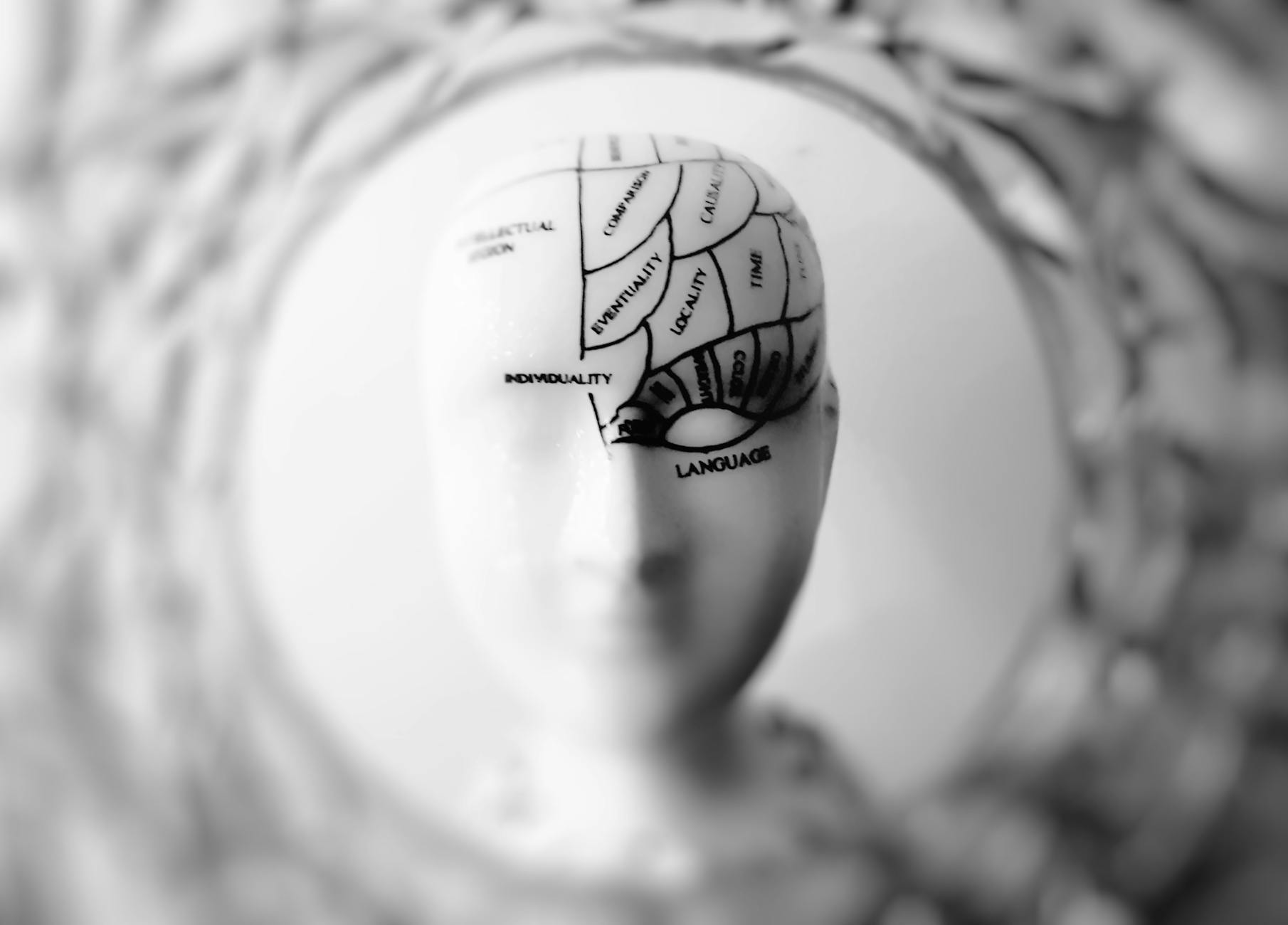
The Brain Chemistry Behind Pistachios’ Cognitive Benefits
Pistachios contain lutein, a carotenoid compound that acts like a molecular bodyguard in your brain. Unlike many protective compounds that can’t cross the blood-brain barrier—the brain’s selective security gate—lutein actually passes through and takes up residence in brain tissue. Once there, it neutralizes inflammatory molecules and oxidative stress, the cellular damage that drives cognitive decline over decades. In dementia research, inflammation and oxidative stress emerge repeatedly as root causes of neuronal death and cognitive breakdown. What makes this mechanism particularly relevant to aging is that lutein accumulates in the brain over time.
Higher lutein levels correlate with better performance on tests of processing speed, memory retrieval, and the ability to juggle multiple pieces of information simultaneously. A 70-year-old with higher brain lutein levels demonstrates cognitive performance more similar to someone in their 50s. For people concerned about dementia risk—especially those with family history—this isn’t a minor distinction. However, lutein alone doesn’t prevent all cognitive decline. The research suggests it’s one protective factor among many, including sleep, physical exercise, social engagement, and cognitive stimulation.
The Mental Health Connection Nobody Expected
The mental health data surprised many researchers. In a large analysis involving over 64,000 U.S. adults, those aged 60 and older who consumed pistachios reported 16% lower anxiety frequency than non-consumers. For adults aged 20-59, the difference was starker: pistachio consumers reported 60% fewer challenges caused by anxiety or depression. Adults aged 19 and up showed a 48% lower risk of minor depression when they regularly consumed pistachios compared to those who didn’t. Why does this matter for brain aging? Anxiety and depression don’t just affect mood—they accelerate cognitive decline.
Both conditions trigger chronic inflammatory cascades in the brain and impair memory consolidation. Someone managing depression or persistent anxiety faces a higher dementia risk independent of other factors. When a simple dietary intervention shows such strong associations with reduced anxiety and depression, it becomes relevant not just to mood but to long-term brain preservation. One caveat deserves emphasis: these are observational findings from a large population, meaning we can spot associations but can’t prove that pistachios caused the mood improvements. People who eat pistachios might also exercise more, sleep better, or have better overall nutrition—factors that independently boost mental health. The randomized controlled trials we have are smaller and don’t yet include comprehensive mood assessments, so consider these findings as suggestive rather than conclusive proof.

How to Eat Pistachios for Brain Health
The research points to specific amounts. The randomized controlled trial used 2 ounces daily (about 49 pistachios), while the 2024 pilot study showed benefits from 28 grams over 28 days. Both quantities are achievable for most people and fit into normal eating patterns. Two ounces is roughly a small handful or a standard snack-size container—something you could eat mid-morning, as part of breakfast, or after lunch without feeling like you’re following a strange regimen.
Compared to other dietary interventions targeting brain health, pistachios have practical advantages. They don’t require cooking, they store easily, and they’re available year-round. Versus omega-3 supplementation (which some people find causes fish aftertaste) or complex supplement regimens, pistachios offer a whole-food alternative. The tradeoff is price: quality pistachios cost more than many other nuts or snack foods. A 2-ounce daily serving can add $4-6 to your weekly grocery bill, though this remains affordable compared to prescription medications or out-of-pocket dementia care costs.
The Limitations and Unknowns in the Research
All current pistachio-brain research has operated within a relatively short timeframe. The longest intervention studies lasted weeks or, at most, a few months. We don’t yet have 10-year data showing whether daily pistachio consumption prevents dementia or merely slows cognitive decline slightly. For someone at high genetic risk, whether consumption is “enough” remains unclear.
Additionally, the mechanistic studies—those examining lutein, inflammation, and gamma waves—are still working with small sample sizes and often laboratory conditions rather than real-world aging. Another limitation: pistachios contain calories and fat, though the fat is mostly heart-healthy unsaturated fat. For someone carefully managing weight or following specific dietary restrictions, daily pistachio consumption requires thought about overall calorie intake. People with tree nut allergies obviously cannot use this approach. And if someone is already taking anticoagulants or other medications, they should verify with their doctor whether the compounds in pistachios interact with their medications.

The University of Reading Trial and What We’ll Learn Next
As of 2025, the University of Reading is conducting a clinical trial (NCT06900452) specifically examining pistachio-rich breakfast meals in healthy older adults aged 65-80. This trial represents the next level of evidence-building, moving beyond short-term studies to longer-term observation in the exact age group most concerned about dementia risk.
The focus on breakfast meals is practical—it tests whether pistachios integrated into normal eating patterns provide benefits, not just whether isolated pistachio consumption in lab conditions does. This emerging research should clarify several unknowns: how long benefits take to appear, whether they continue building over time, whether men and women experience equal benefits, and how pistachios compare to other interventions when used together. Expect preliminary results within the next 2-3 years.
Pistachios as Part of a Broader Brain-Protective Strategy
Pistachios aren’t a single solution to dementia risk. The research positions them as one protective factor, alongside sleep quality, cardiovascular exercise, cognitive engagement (puzzles, learning, social interaction), Mediterranean-style diets, and strong social connection. Some people eating 2 ounces of pistachios daily while maintaining poor sleep and a sedentary lifestyle will see less benefit than someone using pistachios as part of a broader healthy-aging strategy.
The forward-looking question isn’t whether pistachios will prevent dementia—that expectation is unrealistic. Rather, it’s whether regular consumption, combined with other evidence-based interventions, can shift the curve of cognitive aging. If someone typically experiences noticeable cognitive slowing at 75, could that shift to 78 or 80? That difference, across millions of people, translates to years of independence, engagement, and quality of life.
Conclusion
The evidence linking daily pistachio consumption to sharper cognitive function at 70 and beyond is real, documented in peer-reviewed research, and backed by plausible brain chemistry. A 2-ounce daily serving appears safe, affordable by most standards, and easy to integrate into existing eating habits. The mental health associations—lower anxiety, fewer depression episodes—make the case stronger, as these conditions independently accelerate cognitive decline.
If you’re concerned about maintaining cognitive sharpness as you age, pistachios represent a simple, evidence-supported addition to your routine. Combined with sleep, exercise, social engagement, and cardiovascular health, they offer one more tool for preserving the mental clarity that keeps you independent and engaged. For people already experiencing early cognitive concerns or managing dementia risk factors, discussing daily pistachio consumption with your doctor adds one straightforward option to your brain-protective strategy.
You Might Also Like
- New Study: People Who Eat wild blueberries Daily Have Sharper Brains at 70
- New Study: People Who Eat whole grains Daily Have Sharper Brains at 55
- New Study: People Who Eat walnuts Daily Have Sharper Brains at 50
For more, see Alzheimer’s Association — medical tests.