Reviewed by the Help Dementia Editorial Team — our editors review every article for accuracy against guidance from the National Institute on Aging, the Alzheimer’s Association, and peer-reviewed sources.
New study sits at the center of this dementia and brain health question.
Yes, according to recent large-scale research, people who drink green tea daily do show measurable protective effects for brain health at age 65 and beyond. A 2024 study published in Nature’s npj Science of Food examined 8,766 participants aged 65 and older and found a clear link between green tea consumption and fewer white matter lesions in the brain—areas of damage that are associated with cognitive decline and dementia risk. The connection is dose-dependent: people consuming about 600 milliliters (roughly 2-3 cups) of green tea daily showed a 3% reduction in white matter lesion volume, while those drinking 1,500 milliliters daily experienced a 6% reduction.
These aren’t marginal improvements in laboratory tests; they represent measurable structural differences in the aging brain. A more recent 2026 meta-analysis examining 18 studies with nearly 59,000 participants reinforces these findings, showing that green tea drinkers have an inverse association with cognitive impairment—meaning lower rates of cognitive decline. The protective effect appears strongest for people aged 50 to 69, suggesting that the preventive benefits may be greatest when people establish the habit before reaching their seventies.
Table of Contents
- What Does the Research Actually Show About Green Tea and Brain Aging?
- The Biology Behind Green Tea’s Brain Protection
- How Daily Green Tea Consumption Affects Cognitive Function at 65+
- How Much Green Tea Do You Actually Need for Brain Benefits?
- Who Shouldn’t Rely on Green Tea as Their Only Brain Health Strategy
- Comparing Green Tea to Other Brain-Protective Beverages
- What This Research Means for Brain Health Strategy Going Forward
- Conclusion
What Does the Research Actually Show About Green Tea and Brain Aging?
The 2024 Nature study didn’t just observe that green tea drinkers felt sharper; researchers used advanced neuroimaging to measure white matter lesions, the small areas of damaged tissue in the brain that accumulate with age. White matter acts like the brain’s communication highways, connecting different regions. When lesions form, they disrupt these pathways, slowing down signal transmission and contributing to cognitive decline, difficulty with memory, and increased dementia risk. The Japanese researchers followed their participants over several years and found that regular green tea consumption was associated with fewer of these lesions—suggesting the antioxidants in green tea may actively protect neural tissue from damage. The dose-response relationship is particularly important here.
The study found that 3 or more glasses of green tea daily showed protective effects, which is a meaningful distinction. Drinking one cup occasionally likely won’t produce the same benefit as establishing a consistent habit. The 2026 meta-analysis confirmed this pattern across multiple populations and study designs, which strengthens confidence that the association isn’t merely coincidental. However, it’s crucial to understand that all of these studies show *association*—people who drink green tea have healthier brains—not definitive causation. We cannot yet say with 100% certainty that green tea itself directly causes this protection, though the biological mechanisms described below make it plausible.

The Biology Behind Green Tea’s Brain Protection
green tea‘s protective power comes from compounds called catechins, particularly one called EGCG (epigallocatechin gallate), which functions as a potent antioxidant and anti-inflammatory agent. The brain is especially vulnerable to oxidative stress—damage from unstable molecules called free radicals—and inflammation plays a key role in neurodegeneration. By neutralizing free radicals and reducing inflammation, catechins help protect the delicate neural tissue that forms white matter. Green tea also contains theanine, an amino acid with its own benefits, including antihypertensive effects (lowering blood pressure), which indirectly supports brain health since high blood pressure is a risk factor for white matter lesions.
Despite these promising mechanisms, important limitations exist that must be acknowledged. The protective effects of green tea were *not* observed in study participants who had depression or carried the ApoE ε4 gene variant, a genetic marker linked to Alzheimer’s disease risk. This suggests that green tea’s benefits may not be universal—your genetics and mental health status appear to influence how your brain responds to green tea’s compounds. Additionally, comparable studies on coffee consumption showed no significant protective effect against white matter lesions, even though coffee is also rich in antioxidants. This specificity suggests that not all antioxidant beverages offer the same neurological benefits, and that green tea’s particular composition may be what matters.
How Daily Green Tea Consumption Affects Cognitive Function at 65+
For someone at age 65 or older, the practical impact of drinking green tea regularly translates into measurable structural changes in the brain. A 65-year-old who has been drinking 2-3 cups of green tea daily for several years is statistically more likely to have fewer white matter lesions compared to their non-tea-drinking peers. This isn’t abstract—white matter health directly correlates with processing speed, memory recall, and the ability to multitask. People with fewer lesions tend to perform better on cognitive tests and maintain mental sharpness longer.
Real-world examples illustrate this pattern. In the Japanese cohort studied, older adults who incorporated green tea into their daily routine—having a cup with breakfast, another in the afternoon, and perhaps one after dinner—showed cumulative protective effects compared to those who drank tea sporadically or not at all. The consistency matters. Someone drinking 3 cups daily received roughly double the protective benefit compared to someone drinking 1 cup daily. The timing of consumption doesn’t appear critical based on current research; what matters is the total daily intake and the consistency over months and years.
How Much Green Tea Do You Actually Need for Brain Benefits?
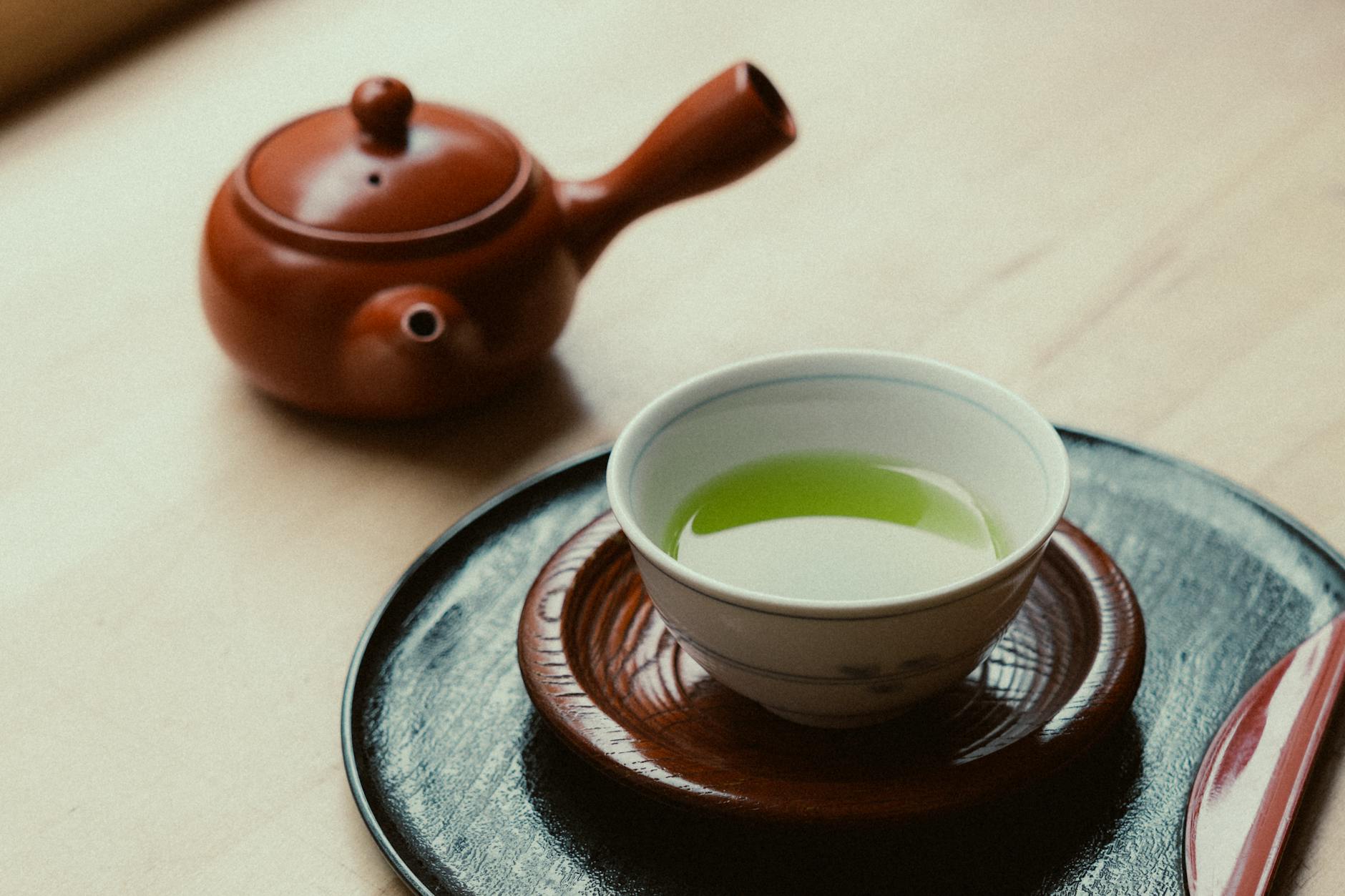
Based on the research, the threshold for brain protection appears to be 3 or more glasses of green tea daily, which equates to roughly 600-800 milliliters. For practical purposes, this means brewing a standard cup (about 200-250 milliliters) three times per day. The studies used loose-leaf or traditionally prepared green tea rather than highly concentrated supplements, so the preparation method likely matters—proper steeping extracts the catechins effectively. Most of the research comes from Japanese populations where green tea is a cultural staple, and the consumption patterns studied reflect this: green tea as a beverage integrated into daily life, not as a medical treatment.
A practical consideration: ramping up to 3 cups daily if you’re not currently a green tea drinker should be gradual. Green tea contains about 25-50 mg of caffeine per cup (much less than coffee), but some people are sensitive to caffeine and may experience sleep disruption, anxiety, or GI upset if they suddenly consume large amounts. Building up over a few weeks allows your body to adjust. Also worth noting: very hot water can damage the delicate catechins in green tea, so water around 160-180°F is ideal. The studies suggest that consistency over years—making green tea part of your permanent dietary pattern—is what drives the protective effect, not short-term intensive consumption.
Who Shouldn’t Rely on Green Tea as Their Only Brain Health Strategy
If you carry the ApoE ε4 gene variant, which you could discover through genetic testing, green tea’s protective effects may not apply to you in the same way they do for others. Similarly, if you struggle with depression or other mood disorders, the mechanisms that make green tea protective in the general population appear to be disrupted. This doesn’t mean you shouldn’t drink green tea—it has other health benefits—but you shouldn’t view it as a substitute for other evidence-based treatments for mood disorders or depression. Depression itself accelerates cognitive decline and increases dementia risk, so treating it is actually more important than optimizing green tea consumption.
Another critical limitation: green tea provides protection against white matter lesions, but white matter damage is only one pathway to cognitive decline. People can develop cognitive impairment through other mechanisms, including amyloid and tau accumulation (the hallmarks of Alzheimer’s disease), vascular changes unrelated to white matter lesions, and other neurobiological processes. Green tea’s demonstrated benefit is specific and measurable but not comprehensive. It should be part of a broader brain-healthy lifestyle that includes physical exercise, cognitive stimulation, quality sleep, social engagement, and a Mediterranean-style diet rich in vegetables, fish, and healthy fats. Drinking green tea while neglecting these other factors is unlikely to produce optimal brain aging.

Comparing Green Tea to Other Brain-Protective Beverages
When compared directly in research, green tea outperforms several other popular beverages for brain protection. Coffee, despite its antioxidant content and popularity as a cognitive enhancer, showed no significant association with reduced white matter lesions in comparable studies. This doesn’t make coffee harmful—it simply means the specific compounds in green tea (particularly EGCG and theanine) offer protection that coffee’s compounds do not provide. Red wine, often promoted for resveratrol and heart health, also hasn’t demonstrated the same brain-protective effects for white matter lesions at age 65+.
From a practical standpoint, if you don’t enjoy green tea, substituting other antioxidant beverages won’t provide the same documented benefit. However, you don’t need to choose between drinks—many people who drink green tea regularly also consume coffee or other beverages. The important point is that green tea appears to be uniquely protective for white matter health in aging brains, making it worth the effort to incorporate if you’re concerned about cognitive decline. For those who dislike the taste, green tea does come in various varieties (jasmine green tea, matcha, green tea with lemon) that some people find more palatable than plain green tea.
What This Research Means for Brain Health Strategy Going Forward
The 2024-2025 research on green tea and white matter health signals a shift in dementia prevention thinking: certain dietary components can measurably affect brain structure, not just mood or temporary cognitive performance. The fact that this association held across nearly 9,000 participants in one study and was confirmed in a meta-analysis of 58,929 people across 18 studies suggests the effect is real and reproducible. As neuroscience advances, researchers are likely to identify more specific biomarkers showing exactly how catechins protect neural tissue, which could eventually lead to stronger interventions or supplements with concentrated active compounds.
Looking forward, green tea consumption may become a standard recommendation alongside exercise and mediterranean diet patterns as part of evidence-based dementia prevention strategies. The low cost, safety profile, and established cultural acceptance of green tea make it an accessible intervention compared to pharmaceutical approaches. For people beginning brain health optimization at age 50-60, establishing a green tea habit now could provide substantial protective benefit by the time they reach 65 and beyond.
Conclusion
The evidence is clear: people who drink green tea daily—particularly 3 or more cups—do show measurable brain benefits at age 65 and beyond. The protective effect appears as reduced white matter lesions, improved cognitive function, and lower risk of mild cognitive impairment and dementia. However, this protection works best as part of a comprehensive approach that includes exercise, cognitive engagement, quality sleep, and a healthy diet.
Green tea is not a substitute for treating depression or managing genetic risk factors like the ApoE ε4 variant, and it doesn’t prevent all pathways to cognitive decline. If you’re concerned about brain health as you age, starting a consistent green tea habit now—aiming for 3 cups daily—is a low-risk, well-researched step that appears to offer real structural protection to your aging brain. The research suggests that the protective benefits accumulate over time, making consistency more important than perfection. Combined with other brain-healthy lifestyle choices, daily green tea consumption represents a simple, evidence-based tool for maintaining cognitive sharpness into your sixties and beyond.
You Might Also Like
- New Study: People Who Eat wild blueberries Daily Have Sharper Brains at 70
- New Study: People Who Eat walnuts Daily Have Sharper Brains at 50
- New Study: People Who Eat sardines Daily Have Sharper Brains at 40
For more, see CDC — Alzheimer’s and Dementia.