Reviewed by the Help Dementia Editorial Team — our editors review every article for accuracy against guidance from the National Institute on Aging, the Alzheimer’s Association, and peer-reviewed sources.
New research findings are increasingly clear: early detection combined with preventive monitoring can meaningfully delay the onset of dementia, with some studies showing potential delays of up to five years through lifestyle changes and targeted therapies. This represents a significant shift in how we approach brain health—moving from waiting for symptoms to appear to actively tracking and managing risk factors before cognitive decline becomes apparent. For families navigating dementia concerns, these findings offer hope that proactive monitoring could provide years of additional quality of life.
The foundation of this approach rests on a simple principle: the brain changes associated with dementia don’t happen overnight. They develop over years or decades, creating a window of opportunity for intervention. When someone receives early diagnosis and begins lifestyle modifications or therapeutic interventions promptly, research demonstrates that the typical progression timeline can shift substantially. This isn’t about preventing dementia entirely in all cases, but rather about slowing its advance—sometimes dramatically.
Table of Contents
- How Can Preventive Monitoring Help Detect Early Brain Changes?
- The Role of Wearable Technology and Continuous Biomarker Monitoring
- Why Early Detection Changes the Dementia Timeline
- Building a Preventive Monitoring System into Daily Life
- The Preventive Screening Gap and Public Health Realities
- Biomarker Research and the Future of Early Detection
- Building a Culture of Preventive Monitoring for Brain Health
- Conclusion
How Can Preventive Monitoring Help Detect Early Brain Changes?
Preventive monitoring works by establishing a baseline of your health metrics and then tracking changes over time that might indicate early cognitive or neurological risk. Rather than waiting for memory problems to become noticeable in daily life, continuous monitoring can identify subtle shifts in sleep patterns, physical activity levels, heart rate variability, or other biomarkers that research has linked to cognitive decline. Think of it as the difference between noticing your house has termite damage versus discovering active termites before they’ve caused structural harm. Modern monitoring approaches use multiple data streams simultaneously. Wearable devices continuously track heart rate, sleep quality, and physical activity—all factors that significantly influence brain health.
A person might notice their sleep fragmentation has increased or their daily step count has dropped without realizing these changes are connected to cognitive risk. Preventive monitoring makes these connections visible and actionable, allowing individuals and their healthcare providers to intervene before these patterns mature into clinical problems. The challenge here is that establishing meaningful baselines requires time and consistency. Someone who just started wearing a monitoring device doesn’t have the historical data needed to recognize their personal patterns of change. This means preventive monitoring is most effective when it becomes part of someone’s routine well before any symptoms appear—essentially building a health record from your healthiest years.
The Role of Wearable Technology and Continuous Biomarker Monitoring
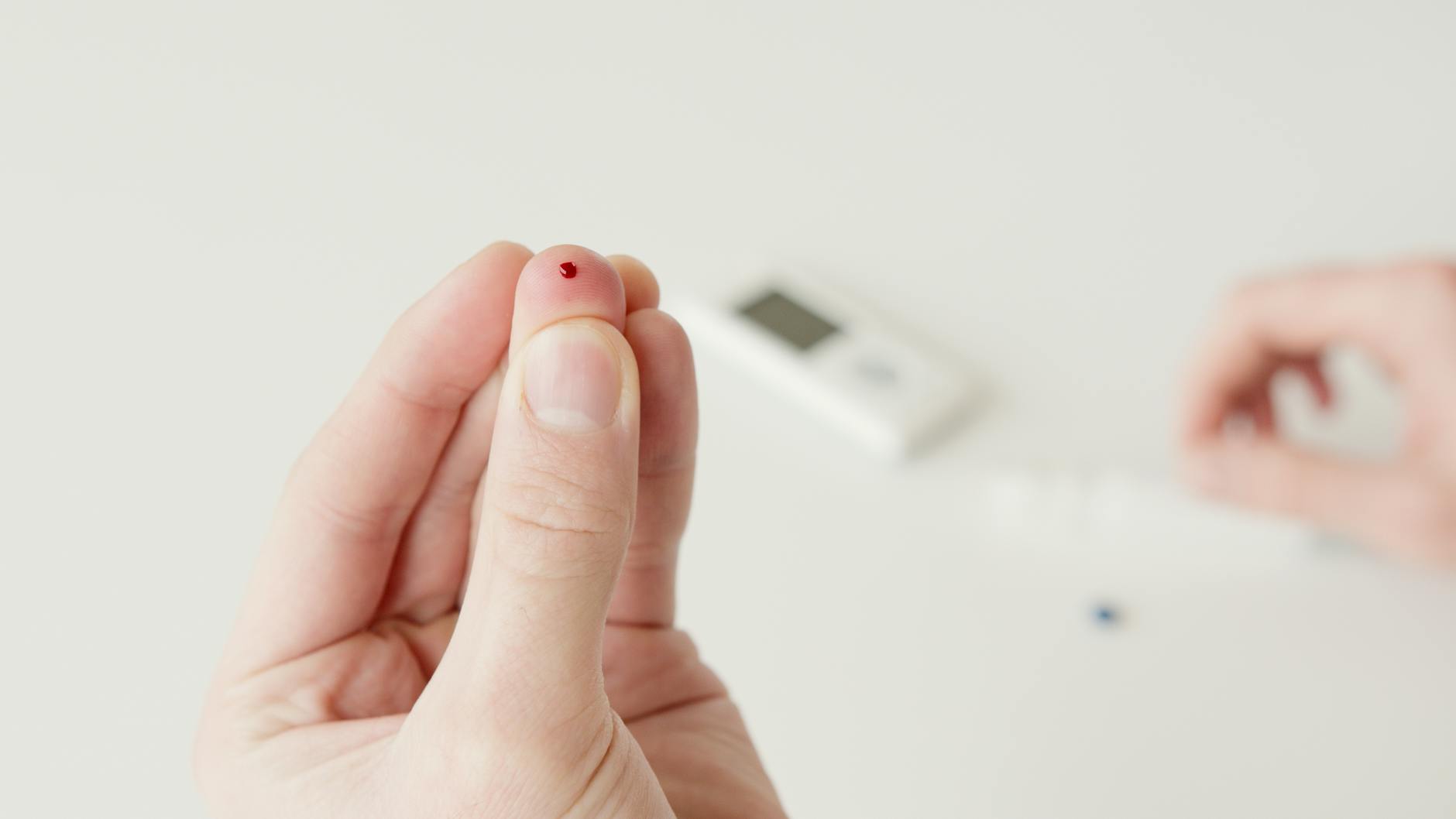
Advances in wearable technology have transformed what’s measurable in daily life. Modern devices can track heart rate variability, which is increasingly recognized as linked to dementia risk; sleep architecture, including how much time you spend in deep and REM sleep; physical activity patterns; and even some devices now incorporate stress markers. These metrics, collected continuously rather than just during annual checkups, create a much richer picture of how someone’s body and brain are functioning. Continuous biomarker monitoring represents an even more sophisticated frontier. research published in *Science* demonstrates that protein monitoring—measuring specific proteins in your blood or other biological samples on an ongoing basis—is revolutionizing how we manage chronic diseases.
For dementia prevention specifically, researchers have identified certain proteins that appear in elevated levels years before cognitive symptoms emerge. The ability to monitor these continuously, rather than through occasional lab tests, could theoretically allow for earlier intervention. However, there are significant limitations to current technology. Most wearable devices measure proxy markers for brain health rather than direct measures of what’s happening in the brain. A good night’s sleep is beneficial for cognitive health, but a wearable measuring sleep isn’t actually measuring amyloid clearance or neural inflammation—the underlying biological processes happening during that sleep. Additionally, the sheer volume of data from continuous monitoring can be overwhelming without proper analysis frameworks, and many people abandon monitoring devices within weeks of starting them because the data feels abstract or irrelevant to their daily experience.
Why Early Detection Changes the Dementia Timeline
The five-year delay in dementia onset cited by the Alzheimer’s Association represents far more than a statistical achievement. For an individual or family, five additional years of independent living, maintained cognitive function, and preserved quality of life is transformative. It means potentially avoiding or delaying the transition to assisted living, maintaining the ability to manage finances and healthcare decisions, and having extended time with family members while still able to engage meaningfully. This timeline benefit compounds across different interventions. Someone who receives early detection might start cognitive training exercises, which alone show modest benefits. That same person might simultaneously receive counseling to implement sleep improvements, which independently improves brain health.
They might begin or adjust cardiovascular exercise, which has profound effects on cognitive decline risk. They might work with a dietitian to optimize nutrition for brain health. Individually, each intervention provides some benefit; combined and started early, they create a substantially different trajectory than waiting until symptoms force reactive treatment. The realistic picture, though, includes variability. Not everyone with early markers will progress to dementia; some people with identified risk factors maintain normal cognition throughout their lives. This creates an uncomfortable paradox of preventive medicine: some people will be treated for risks they would never have experienced. This is why shared decision-making between individuals and healthcare providers is crucial—people deserve to understand both the potential benefits and the possibility that they might implement lifestyle changes or accept monitoring for a disease that might never have developed.

Building a Preventive Monitoring System into Daily Life
Implementing preventive monitoring effectively requires moving beyond passive data collection to active engagement with the information. This might mean wearing a device that tracks sleep and activity, but also scheduling regular reviews—perhaps monthly or quarterly—where you examine trends with a healthcare provider or family member. Are your sleep patterns becoming more fragmented? Has your daily step count declined? Is your heart rate variability narrowing? These questions matter only if someone is actively asking them and responding to the answers. A practical approach integrates monitoring into existing medical care rather than treating it as separate. Instead of a patient getting one blood pressure reading annually at a physical exam, they might measure it weekly at home and share the data with their provider.
Instead of cognitive function being assessed only when someone reports problems, they might complete brief cognitive screening tests quarterly. This creates a much finer-grained picture than traditional episodic care, though it also requires more engagement from the individual and their healthcare team. The comparison here is instructive: a person who gets one cholesterol test per year and then ignores the result versus someone who checks cholesterol quarterly, watches dietary trends, and makes incremental adjustments. The second person typically achieves better cholesterol control not because they’re different, but because the increased monitoring creates accountability and enables rapid course correction. The same principle applies to dementia prevention, though tracking cognitive and brain health markers is more complex than measuring cholesterol.
The Preventive Screening Gap and Public Health Realities
Despite strong evidence supporting preventive monitoring and screening, a significant problem persists: preventive health screenings have not returned to pre-pandemic levels, according to recent cohort research. This means many people eligible for early dementia detection, cardiovascular screening, and other preventive measures aren’t receiving them. Wellness visits and preventive screening appointments are being skipped at higher rates than before the pandemic, creating a hidden crisis of missed opportunities for early intervention. This screening gap exists for multiple, interconnected reasons. Healthcare access remains uneven—not everyone has insurance or a provider who offers preventive screening.
Time constraints and competing priorities mean that busy people postpone preventive care. There’s also a psychological barrier: if you feel fine, scheduling appointments for screening can feel abstract or unnecessary. Insurance coverage varies, meaning some preventive screenings are fully covered while others require out-of-pocket costs. For dementia specifically, there’s lingering uncertainty about what preventive screening even looks like, since comprehensive cognitive assessment isn’t routine in primary care for asymptomatic people. The warning here is crucial: even as research validates preventive monitoring’s benefits, access to and adoption of these approaches remains limited. Someone reading about five-year delays in dementia onset might reasonably ask, “How do I access this?” The answer, unfortunately, is not equally available to everyone, and some populations—particularly older adults with limited healthcare access, those in rural areas, and those with lower incomes—face substantial barriers to implementing a preventive monitoring system.
Biomarker Research and the Future of Early Detection
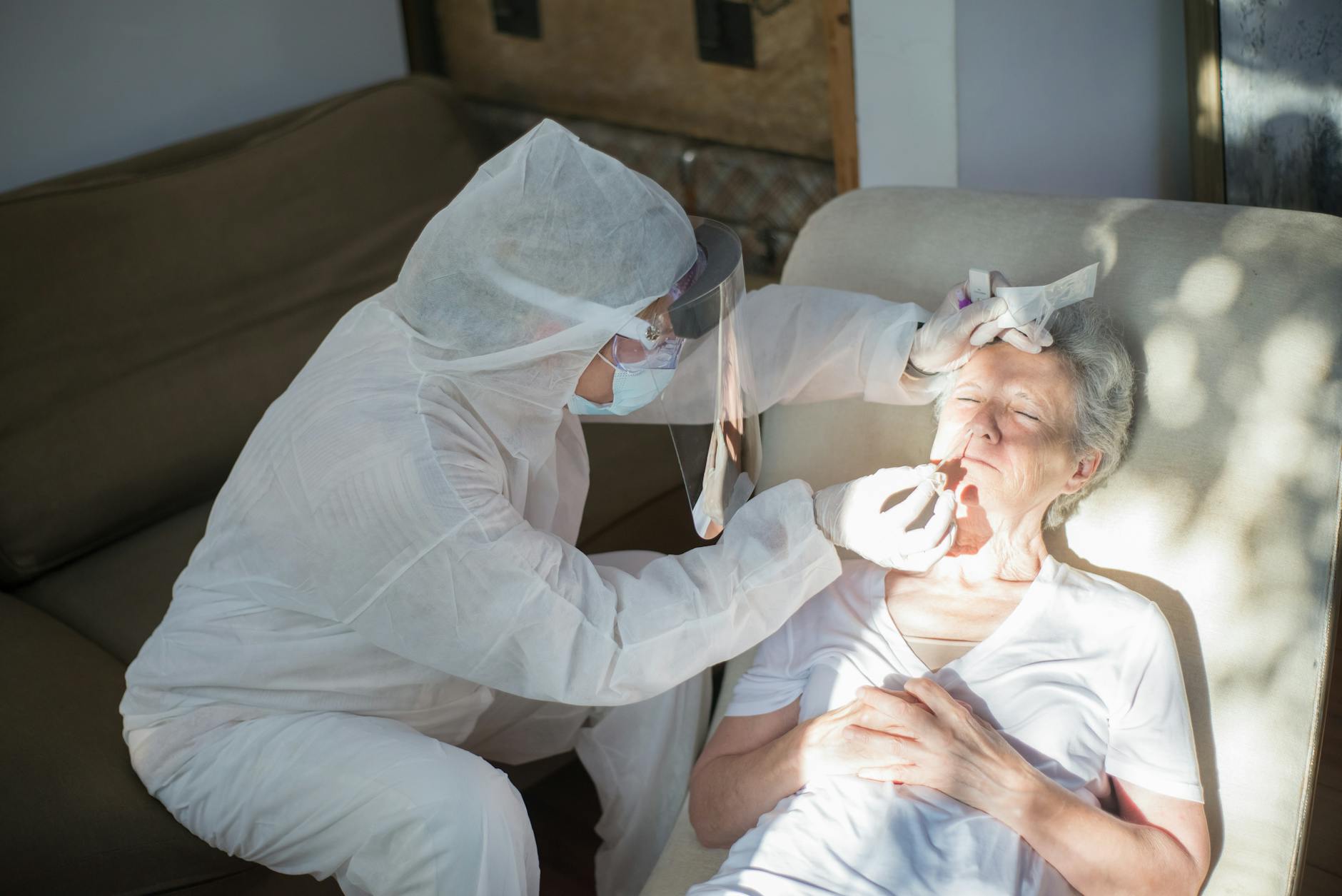
Beyond wearables and traditional vital signs, research is advancing our ability to detect dementia risk through specific biological markers in blood and cerebrospinal fluid. Proteins such as phosphorylated tau, amyloid beta, and others appear in measurable quantities years before cognitive symptoms emerge. Some research facilities can now detect these markers, allowing identification of people on a dementia pathway before they experience any cognitive decline.
As this technology becomes more widely available and less expensive, preventive monitoring will likely shift toward regular biomarker assessment—perhaps annually or every few years for someone over a certain age or with risk factors. Instead of being something only available at specialized research centers, simple blood tests might eventually screen for dementia risk the way they currently screen for cancer or diabetes risk. This represents the logical endpoint of preventive monitoring: catching dementia pathology at its earliest detectable stage, years or decades before it would impact daily function.
Building a Culture of Preventive Monitoring for Brain Health
The future of dementia prevention hinges not just on better technology but on broader cultural shift toward accepting and prioritizing preventive monitoring as normal healthcare. Just as people now expect regular blood pressure checks and cholesterol screening, future healthcare may routinely include cognitive assessments and brain health monitoring for adults starting in their 50s or earlier. This normalization would reduce barriers and stigma while ensuring broader access to early detection. The path forward requires action at multiple levels.
Individuals can advocate for preventive cognitive screening during regular healthcare visits and consider adopting wearable technology if it fits their circumstances. Healthcare systems can integrate cognitive assessment into routine care and educate providers about dementia prevention. Public health efforts can increase awareness of the screening gap and work to rebuild preventive care capacity. Research can continue advancing biomarker science and understanding which interventions most effectively modify dementia risk when started early. The findings suggesting preventive monitoring’s benefits are clear; now comes the harder work of making these findings accessible and actionable for everyone.
Conclusion
New findings demonstrate that preventive monitoring—combining technology, biomarker assessment, and lifestyle intervention—can meaningfully delay dementia onset, with research indicating potential delays of up to five years when early detection is followed by targeted interventions. This represents a fundamental shift away from treating dementia as inevitable once symptoms appear, toward actively managing brain health risk during the asymptomatic years when intervention is most effective.
The challenge ahead is ensuring that these findings translate into accessible, practical change for people navigating dementia risk in their own lives. Whether through wearable devices, biomarker testing, or integrated preventive care, the path forward involves consistent monitoring, early detection, and coordinated intervention. If you’re concerned about dementia risk—whether for yourself or a family member—the evidence now supports discussing preventive monitoring approaches with your healthcare provider and exploring which strategies fit your circumstances and preferences.