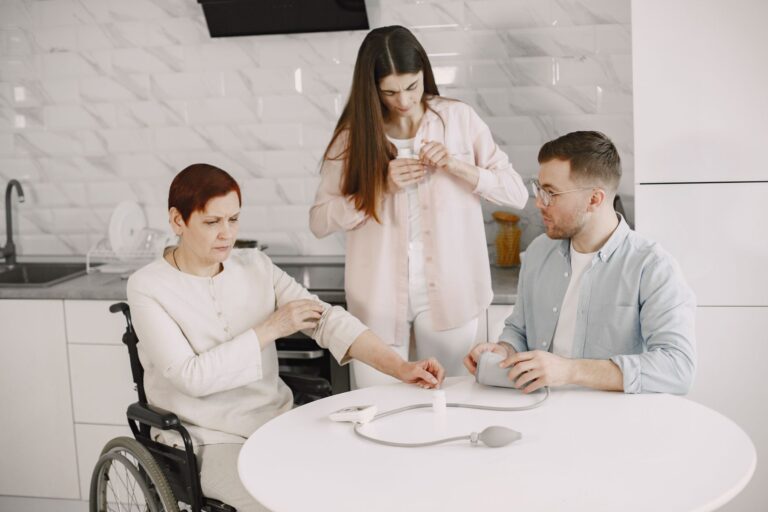
Yes, a theft accusation is a common dementia symptom, not proof you did anything wrong. The disease can create suspicion and firmly held false beliefs, called delusions, that a partner is stealing money. That belief can feel very real to your partner, even when the cash is only misplaced. You can respond in a way that lowers distress, keeps daily money tasks simpler, and keeps records clear for everyone.
Medical information disclaimer: This article is for general educational purposes only and does not provide medical advice, diagnosis, or treatment. Always consult a physician or other qualified health professional about symptoms, medications, tests, or treatment decisions.
Table of Contents
- Why does this accusation happen?
- What should I say in the moment?
- Why is money such a flashpoint?
- How do I keep money handling clear and safe?
Why does this accusation happen?
Memory loss plus trouble with reasoning makes a lost wallet feel like a theft. The Alzheimer's Association says a person with Alzheimer's may become suspicious and accuse others of theft, and caregivers should not take it as a personal attack because the disease drives the behavior Alzheimer's Association guidance on suspicions and delusions.
The same Association describes delusions as firmly held false beliefs that can occur in middle-to-late-stage Alzheimer's, including the belief that a family member is stealing possessions, sometimes called paranoia Alzheimer's Association guidance on suspicions and delusions. Your partner may also hide money for safety, then forget the spot. When the money cannot be found, the brain fills the gap with the most feared answer.
What should I say in the moment?
Do not argue about what is true, correct every detail, or demand an apology. The National Institute on Aging advises caregivers facing paranoia and delusions to listen, offer reassurance, avoid arguing, and discuss concerns with a clinician NIA advice on coping with hallucinations and delusions.
Try short, calm lines, then action. Say you are on the same team, you will help look, and their money matters to you. Then search together in common spots like pockets, drawers, coat linings, trash cans, and under cushions.
- Pause, make eye contact, and name the feeling: "That sounds scary. Let's check together."
- Offer a replacement from a small reserve while you keep looking.
- Note the time, place, and trigger, then tell the care team what changed.
Why is money such a flashpoint?
Paying bills, counting change, using cards, and spotting scams take many brain skills at once. A Boston College retirement study found about 95 percent of unimpaired older adults could manage finances alone, compared with 82 percent with mild impairment and only 20 percent with dementia. Researchers also found payment problems and credit trouble could appear up to six years before a dementia diagnosis and persist afterward, pointing to early loss of financial skill.
That means an accusation may arrive at the same time your partner truly needs more help with money. Make the system smaller and easier to see. Use one low-balance spending account, automatic payments for fixed bills, a short daily check time, and a labeled place for wallet, keys, and receipts.
How do I keep money handling clear and safe?
When false accusations and real misuse can look alike, clear habits protect you both. The Consumer Financial Protection Bureau tells people managing another person's money to act in that person's interest, keep funds separate, and keep accurate records CFPB guidance on managing another person's money. Keep your money and your partner's money in separate accounts.
Save receipts, write down cash help the same day, use checks or transfers instead of cash when you can, and share statements with a trusted third person. For lost items, the Alzheimer's Association advises keeping duplicates of often-misplaced money, wallets, or valuables so you can offer a replacement calmly Alzheimer's Association tip sheet on hallucinations, delusions, and paranoia. Seek prompt medical review for a new or sharply worse delusion to rule out delirium, infection, or a medication effect.