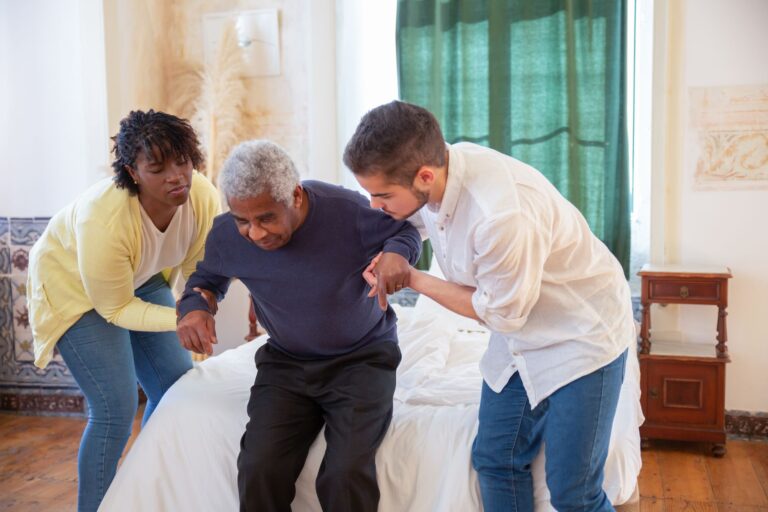
When a dementia caregiver cannot drive, medical visits, prescriptions, meals and supervision must move to other people or services. A reliable transportation backup is a written list that assigns each trip to a specific driver, ride service, or delivery option. Most people living with dementia will need to stop driving as the disease progresses. The Alzheimer's Association advises families to research alternatives before a crisis forces an abrupt stop, as explained in its driving safety guidance.
Medical information disclaimer: This article is for general educational purposes only and does not provide medical advice, diagnosis, or treatment. Always consult a physician or other qualified health professional about symptoms, medications, tests, or treatment decisions.
Table of Contents
- Which trips need a new driver?
- Where can you find local rides?
- Will paratransit or Medicaid cover medical trips?
- How do you keep rides safe when riding alone is unsafe?
Which trips need a new driver?
Dementia caregiving normally requires a team. When the primary caregiver also cannot drive, every recurring trip needs a new owner.
Start with medical visits, prescription pickups, meals, groceries, and daily supervision. Write each trip on one line with day, time, and rider needs. This list becomes the backup plan you hand to family, neighbors, and agencies.
Where can you find local rides?
The National Institute on Aging notes that many areas offer free or low-cost bus, subway, rideshare, and taxi services for older people, described in its Safe Driving for Older Adults guidance. Call your transit agency and ask about senior fares, pickup windows, and rider rules.
For one starting point, contact the federally funded Eldercare Locator at 1-800-677-1116. Staff refer callers to the local Area Agency on Aging for transportation, meals, and caregiver programs through the Eldercare Locator referral site.
Will paratransit or Medicaid cover medical trips?
ADA paratransit depends on functional inability to use fixed-route buses or trains, not diagnosis alone. The Federal Transit Administration explains that service generally runs within three-quarters of a mile of fixed routes during the same hours in how paratransit eligibility is determined.
Paratransit means shared, scheduled rides for people who cannot use regular buses or trains. State Medicaid plans must ensure necessary transportation to and from medical providers under federal rule 42 CFR 431.53. The Centers for Medicare and Medicaid Services describes common forms as wheelchair van, taxi, bus passes, or broker-arranged rides that require advance scheduling.
How do you keep rides safe when riding alone is unsafe?
Unaccompanied transit or rideshare is often unsafe when dementia limits following instructions in unfamiliar places. AARP notes that rural areas commonly lack alternatives, so plans need an accompanying rider, volunteer-driver network, or adult-day and Medicaid transport. Cut trips first, then test coverage:.
- Move prescriptions, groceries, and routine visits to delivery or home visits where possible
- Sign an advance driving agreement while driving decisions are still open
- Request a driving evaluation or state DMV medical review if driving continues
- Test one option such as GoGoGrandparent or a local volunteer ride with a companion aboard