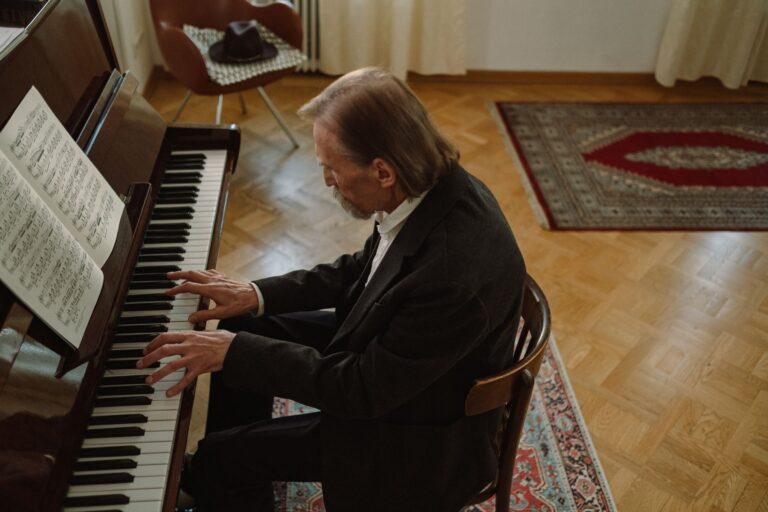
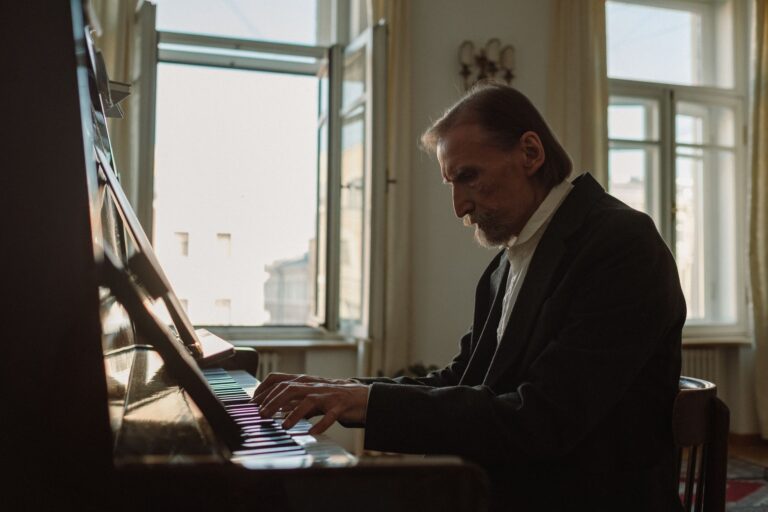
Practising an instrument in midlife may lower later dementia risk by building brain reserve early. Keeping that habit into older age seems to protect memory and thinking for longer.
Brain reserve is the brain's backup capacity to keep thinking clearly despite age-related change. Dementia means a decline in memory and thinking severe enough to disrupt daily life. Midlife offers a window when regular practice can still shape that backup.
Medical information disclaimer: This article is for general educational purposes only and does not provide medical advice, diagnosis, or treatment. Always consult a physician or other qualified health professional about symptoms, medications, tests, or treatment decisions.
Table of Contents
- Why midlife practice leaves a mark
- How listening and playing relate to risk
- Can the older brain still change?
- What are the limits of this evidence?
- How to build a habit that lasts
Why midlife practice leaves a mark
Geneva researchers noted that even brief musical learning earlier in life can leave lasting brain imprints. They chose novices with no recent lessons to test this idea. The finding supports starting in midlife to build reserve that can persist. University of Exeter researchers studied more than 1,000 adults aged 40 and older, as described in the University of Exeter report. Playing an instrument, especially piano, was linked to better working memory and executive function.
Working memory holds and uses information for a short time, while executive function plans, focuses, and switches tasks. Continuing to play into later life was linked to even greater benefit. Piano practice joins reading notes, keeping time, and moving both hands. Group playing adds listening and social contact. That mix exercises hearing, movement, and memory together.
How listening and playing relate to risk
Monash University followed more than 10,800 Australians aged 70 and older, as reported in the Monash University announcement. Always listening to music was linked to 39% lower dementia incidence than never, rarely, or sometimes listening. It was also linked to 17% lower cognitive impairment and higher scores for overall thinking and episodic memory, which is memory for events.
In the same cohort, often or always playing an instrument was linked to 35% lower dementia risk. Regularly doing both listening and playing was linked to 33% lower dementia and 22% lower cognitive-impairment risk. Playing adds note reading, timing, and fine movement to the listening habit.
Can the older brain still change?
Geneva researchers tested 132 healthy retirees aged 62-78 with no recent music lessons, as summarised in the Geneva trial summary. Six months of piano practice or active listening increased grey-matter volume, which is tissue rich in nerve cells. Working memory, the ability to hold and use information, stayed protected.
A 2022 meta-analysis in BMC Neurology pooled prospective cohort studies of instrument playing. It found lower dementia risk with pooled hazard ratio 0.64, 95% CI 0.41-0.98. Hazard ratio compares risk over time, so 0.64 points to lower risk. Variation between studies was low.
What are the limits of this evidence?
Monash authors noted their design shows association rather than causation. Healthier, more active people may both play music and keep sharper thinking. The senior author still called listening or playing an accessible lifestyle step to support thinking because dementia has no cure.
The 2024 Lancet Standing Commission said about 45% of dementia cases could be prevented or delayed, as reported by the BMJ reporting on the Lancet Commission. It listed 14 changeable risks and urged staying mentally, physically, and socially active in midlife and later life. Midlife means ages 18-65 in that report, with later life over 65.
How to build a habit that lasts
Choose an instrument you can keep at home and play most days. Piano has the most direct support here, but steady practice matters more than the model. Lessons for the first six months can build basic reading and timing.
Track practice on a calendar and keep songs you enjoy in rotation. If playing lapses, restart with listening and one simple piece. Put the instrument where you pass daily and schedule this week's first session now.
- Play in short, regular slots rather than rare long sessions.
- Mix active playing with focused listening to songs you know.
- Join a class, choir, or informal group for social contact.
- Keep the instrument visible and book the next lesson before leaving.