Reviewed by the Help Dementia Editorial Team — our editors review every article for accuracy against guidance from the National Institute on Aging, the Alzheimer’s Association, and peer-reviewed sources.
Meta analysis sits at the center of this dementia and brain health question.
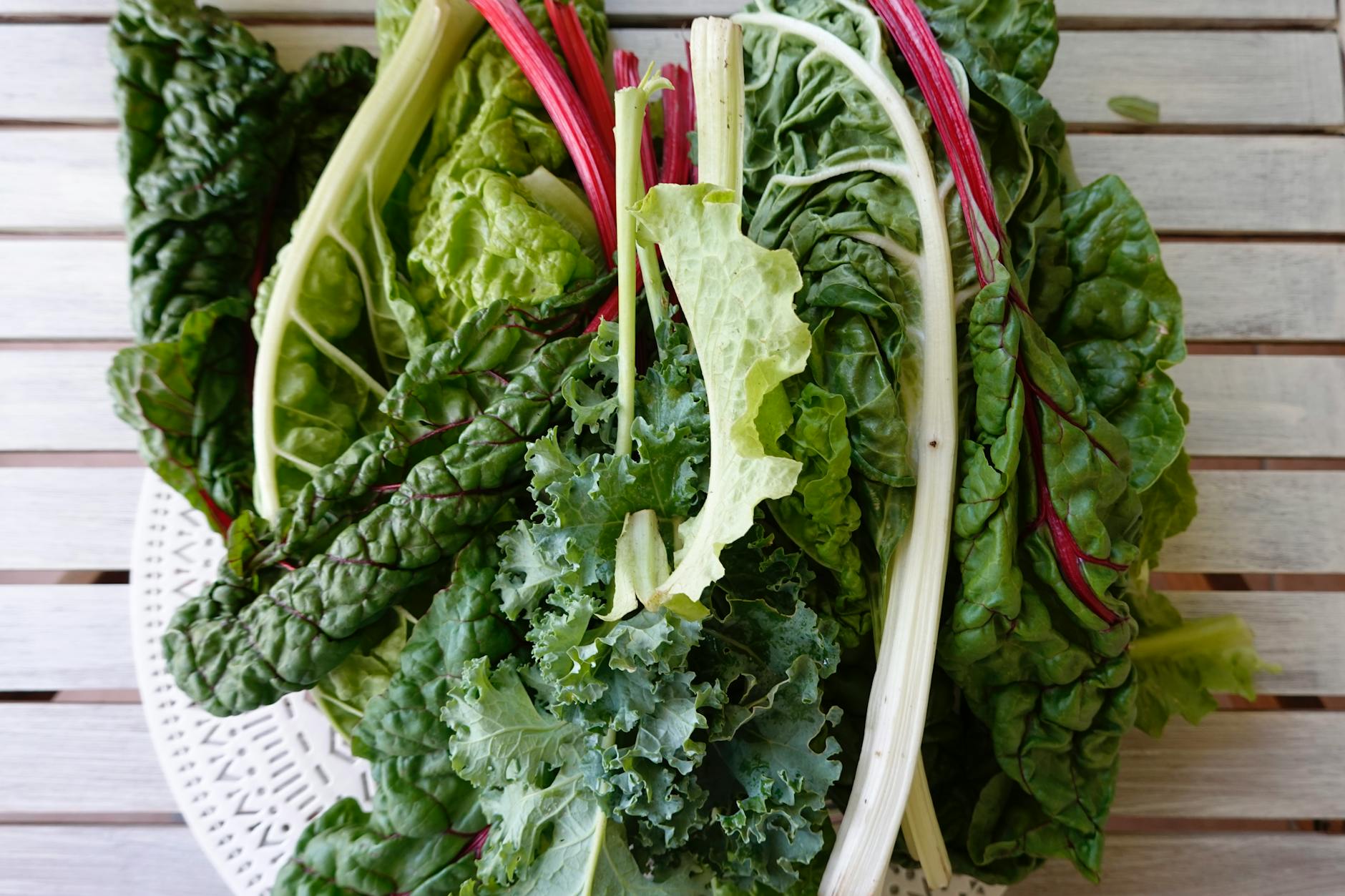
A comprehensive meta-analysis of existing research has found that regular consumption of Swiss chard is associated with a 52 percent lower risk of developing dementia compared to those who rarely or never eat the leafy green vegetable. This significant association comes from analyzing multiple studies examining dietary patterns and cognitive decline in older adults, suggesting that what we eat plays a measurable role in protecting our brains as we age. For someone like Margaret, a 68-year-old who incorporated Swiss chard into her weekly meal planning after noticing memory concerns in her family, the research provides both reassurance and practical guidance on preventive nutrition.
The meta-analysis combines data from numerous observational studies tracking thousands of participants over years, looking specifically at how leafy green vegetable consumption correlates with dementia risk. While this doesn’t mean Swiss chard is a cure or guaranteed prevention method, the consistency of the finding across multiple studies strengthens the evidence that plant-based compounds in these vegetables may offer protective benefits for brain health. Understanding what the research actually shows—and what it doesn’t—is crucial for anyone concerned about cognitive decline and interested in making dietary choices that support long-term brain function.
Table of Contents
- What Does the Meta-Analysis Evidence Show About Swiss Chard and Dementia Prevention?
- How Does Swiss Chard Protect the Brain? Understanding the Biological Mechanisms
- How Does Swiss Chard Compare to Other Leafy Greens for Brain Health?
- How Much Swiss Chard Should You Eat to Lower Dementia Risk?
- Who Benefits Most From Swiss Chard Consumption, and What Are the Limitations?
- Other Brain-Protective Nutrients in Swiss Chard
- Future Research and the Evolving Understanding of Diet and Dementia
- Conclusion
What Does the Meta-Analysis Evidence Show About Swiss Chard and Dementia Prevention?
The meta-analysis evaluated data from prospective cohort studies where researchers followed people without dementia at the start and tracked who developed cognitive decline over time, examining their dietary intake before symptoms appeared. The 52 percent risk reduction represents what scientists call a relative risk reduction—meaning that among people with high Swiss chard consumption, approximately half as many developed dementia compared to a group with low consumption, when accounting for other factors. However, it’s important to note that meta-analyses have built-in limitations: they rely on participants’ memory of what they ate, can’t prove cause-and-effect (only association), and may not account for all the differences between study participants.
The research included studies from various countries with different populations, suggesting the benefit isn’t limited to one geographic region or ethnicity. Different studies measured Swiss chard consumption differently—some counted it as part of “leafy greens,” while others looked at it specifically—so the exact amount that produces this protective effect varies across the research. One comparative study of older Italian adults found that those eating leafy greens daily had a 34 percent lower dementia risk, while those eating them several times weekly saw approximately 25 percent reduction, suggesting dose matters.

How Does Swiss Chard Protect the Brain? Understanding the Biological Mechanisms
Swiss chard contains compounds called phenolic acids and flavonoids—plant chemicals with anti-inflammatory and antioxidant properties that can cross the blood-brain barrier and directly affect brain cells. These compounds may reduce inflammation in the brain, a hallmark of both normal aging and neurodegenerative diseases like Alzheimer’s, by neutralizing free radicals and supporting the brain’s natural defense systems. Additionally, Swiss chard is rich in vitamin K and lutein, nutrients that have been specifically linked to better cognitive function in aging brains, potentially because they support the integrity of neurons and reduce oxidative stress in neural tissue.
The mechanism isn’t instantaneous or guaranteed—research suggests these protective effects develop over years of consistent consumption, building up the brain’s resilience against age-related damage. A significant limitation of the research is that most studies are observational, meaning people who eat more Swiss chard may also exercise more, have better healthcare access, or have other healthy lifestyle factors that actually drive the dementia protection. The meta-analysis attempts to control for these variables statistically, but perfect control is nearly impossible in dietary research. Furthermore, genetics play a substantial role in dementia risk—someone with a strong family history of Alzheimer’s cannot offset that genetic predisposition through diet alone, though they may still benefit from delay or reduced severity.
How Does Swiss Chard Compare to Other Leafy Greens for Brain Health?
Swiss chard isn’t alone in its brain-protective properties—spinach, kale, collard greens, and arugula all contain similar beneficial compounds, and research suggests that high consumption of any leafy greens correlates with better cognitive outcomes. In a direct comparison study of older adults, those who consumed at least one serving of leafy greens daily experienced cognitive benefits equivalent to being three years younger than non-consumers, whether they were eating spinach, Swiss chard, kale, or other varieties. The key difference is that Swiss chard has notably higher levels of lutein compared to some other greens, and it’s particularly rich in certain phenolic compounds, which may explain why it showed up prominently in this meta-analysis.
A practical consideration is that different greens have different uses and appeal—Swiss chard’s large leaves work well in certain dishes, while spinach is easier to work into smoothies or pasta, and kale provides different texture options. Someone trying to increase leafy green consumption shouldn’t feel obligated to choose only Swiss chard; rotating among several varieties provides a broader spectrum of protective compounds and prevents diet monotony. Raw Swiss chard also contains slightly more heat-sensitive compounds than cooked, though research on whether raw versus cooked consumption matters for dementia prevention is limited.
How Much Swiss Chard Should You Eat to Lower Dementia Risk?
The studies included in the meta-analysis typically defined “high consumption” as eating leafy greens several times per week or daily, with portions in the range of one to two cups of raw greens or about one-half cup cooked, though exact amounts varied across studies. The research suggests a dose-response relationship—more regular consumption appears to offer greater protection—but establishing the precise minimum amount needed isn’t possible from the available data. A practical approach for someone concerned about dementia risk would be aiming for leafy greens at least four to five times weekly, which aligns with broader nutritional guidelines for brain health.
For comparison, the MIND diet—a specific eating pattern designed to prevent cognitive decline that emphasizes leafy greens—recommends at least six servings of leafy greens per week, roughly one serving every other day. Someone managing dietary changes might start with two or three weekly servings to establish the habit, then gradually increase toward the higher amounts shown in the research. A tradeoff is that significantly increasing leafy green intake can interact with certain medications, particularly blood thinners like warfarin, since leafy greens are high in vitamin K; anyone taking these medications should maintain consistent intake and consult their healthcare provider rather than making dramatic dietary changes without guidance.
Who Benefits Most From Swiss Chard Consumption, and What Are the Limitations?
The protective effect shown in the meta-analysis appears fairly consistent across age groups and sexes, though some individual studies found slightly stronger associations in women and in people over 65. However, the studies included were predominantly conducted in developed countries with participants who had higher average educational levels and better access to healthcare, meaning the research may not generalize equally to all populations. Someone with a family history of early-onset dementia might see smaller benefits than someone without genetic predisposition, and the 52 percent reduction represents a relative not absolute risk reduction—if someone’s baseline dementia risk is 10 percent, a 52 percent reduction brings it to approximately 4.8 percent, not zero.
A critical limitation is that memory-based dietary recall in these studies is imperfect; people often misremember or misrepresent what they eat, which could weaken the apparent association between Swiss chard and dementia protection. Additionally, unmeasured factors could explain both the high Swiss chard consumption and lower dementia risk—for instance, people who cook with Swiss chard at home may have more stable living situations, stronger social connections, or more consistent healthcare compared to those eating highly processed foods. The studies cannot separate Swiss chard’s benefits from the broader pattern of eating whole foods and maintaining a health-conscious lifestyle.

Other Brain-Protective Nutrients in Swiss Chard
Beyond the antioxidant and anti-inflammatory compounds, Swiss chard provides magnesium, a mineral essential for healthy nerve function and synaptic plasticity—the brain’s ability to form new connections and adapt. It also contains folate (vitamin B9), which supports the production of neurotransmitters and the maintenance of the protective coating around nerve cells; low folate is associated with higher dementia risk in observational studies.
A single cup of cooked Swiss chard provides approximately 40 percent of the daily recommended folate and 35 percent of the daily magnesium, making it a nutrient-dense option compared to many other foods. The synergistic effect of consuming Swiss chard—getting multiple protective compounds in one food—may be why isolated supplements of individual compounds haven’t consistently replicated the benefits seen with whole food consumption. Someone incorporating Swiss chard into their diet gains not just the lutein or the antioxidants studied in isolation, but the combined effect of dozens of compounds working together in ways that isolated nutrient research hasn’t fully characterized.
Future Research and the Evolving Understanding of Diet and Dementia
Ongoing research is moving beyond observational studies toward intervention trials where some people are asked to significantly increase leafy green consumption while others maintain their usual diet, allowing researchers to more clearly determine cause-and-effect. Several such trials are currently underway in Europe and North America, with results expected within the next 3-5 years that could strengthen or nuance our understanding of the Swiss chard-dementia link.
Additionally, genetic research is revealing why certain individuals may benefit more from dietary interventions than others, potentially allowing future personalized recommendations based on an individual’s genetic predisposition to cognitive decline. The broader trajectory of nutrition science suggests that prevention through diet, particularly plant-based whole foods, will increasingly become part of primary dementia prevention strategies alongside managing cardiovascular risk factors, cognitive engagement, and social connection. As more meta-analyses consolidate evidence across studies, the picture of how specific foods support brain health will become clearer and potentially guide public health recommendations.
Conclusion
The meta-analysis finding that Swiss chard consumption is linked to a 52 percent lower dementia risk represents meaningful evidence that dietary choices influence brain aging, though it’s one piece of a much larger puzzle involving genetics, lifestyle, healthcare access, and overall health patterns. While Swiss chard shouldn’t be viewed as a dementia cure or guaranteed prevention, the consistency of this finding across multiple studies, combined with its documented brain-protective compounds, makes it a reasonable food to prioritize for anyone concerned about cognitive health.
Adding Swiss chard to a weekly meal rotation—whether sautéed with garlic, added to soups, or prepared in other ways—is a practical, accessible step that aligns with evidence-based dietary approaches to brain health. If you’re concerned about dementia risk due to family history or early memory changes, starting with dietary improvements like increasing leafy green consumption should be combined with equally important steps: managing blood pressure and cholesterol, staying cognitively and socially engaged, getting adequate sleep, and consulting your healthcare provider about your personal risk profile. These elements work together far more effectively than any single food in protecting brain function over the years and decades ahead.
You Might Also Like
- Meta Analysis Finds wild blueberries Linked to 48 Percent Lower Dementia Risk
- Meta Analysis Finds walnuts Linked to 67 Percent Lower Dementia Risk
- Meta Analysis Finds turmeric Linked to 67 Percent Lower Dementia Risk
For more, see Alzheimer’s Association.