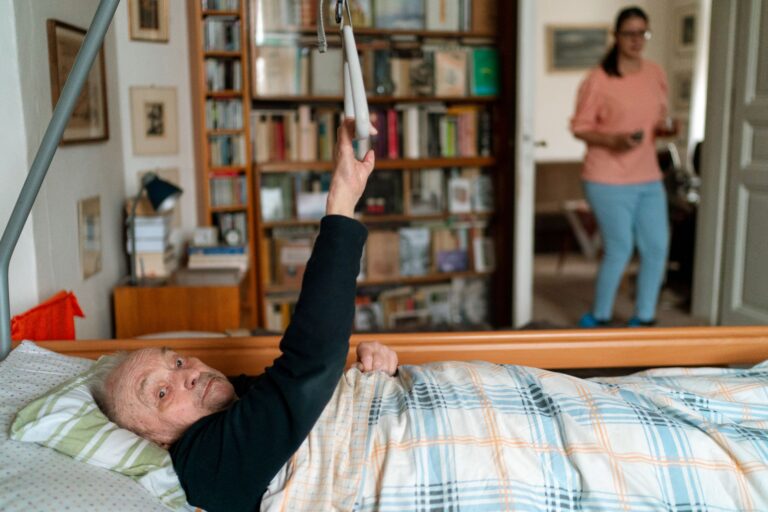
Home caregiving fits holiday visits better for most families when visits can follow the person's daily routine. Memory care, dementia-specific residential care, fits better when safety needs exceed what home supervision can provide. Home caregiving keeps the person in familiar surroundings with flexible timing. Memory care provides round-the-clock supervision and structure when wandering risk, confusion, or behavior makes home visits unsafe.
Medical information disclaimer: This article is for general educational purposes only and does not provide medical advice, diagnosis, or treatment. Always consult a physician or other qualified health professional about symptoms, medications, tests, or treatment decisions.
Table of Contents
- When Does Home Caregiving Work Best?
- How Do You Keep Holiday Visits Calm at Home?
- When Does Memory Care Fit Better?
- Can You Take a Holiday Break Without a Permanent Move?
When Does Home Caregiving Work Best?
Home caregiving works best when holiday plans bend around the person's usual day. According to UCLA Health, families should schedule a holiday breakfast rather than dinner if afternoons bring disorientation or irritability, as described in UCLA Health's holiday dementia guidance. Familiar mealtimes, naps, medications, and bedtime keep behavior steadier.
Travel also disrupts routine and surroundings, so families should pack daily supports and reconsider large trips during acute behavioral issues. A calm home visit often beats a festive trip. Short drives, known chairs, and quiet rooms reduce confusion more than decorations or outings do.
How Do You Keep Holiday Visits Calm at Home?
Skip the big, noisy party. UCLA Health advises staggering smaller visits through the day so the person meets a few calm guests at a time. Set realistic limits before guests arrive.
According to the Alzheimer's Association, caregivers should state what they can and cannot do, including giving hosting or cooking to another relative, as explained in the Alzheimer's Association holiday tips. Keep comforting traditions, then add easier new ones. Involve the person only in safe, manageable activities they enjoy, such as folding napkins, listening to music, or looking at photos.
- Plan visits during the clearest part of the day
- Greet one or two guests at a time
- Keep noise, lights, and foot traffic low
- Assign cooking, cleanup, and hosting help early
When Does Memory Care Fit Better?
Memory care fits better when supervision needs exceed what family can provide at home. According to the Alzheimer's Association, middle-stage Alzheimer's requires 24-hour supervision, and special-care units provide dementia-specific residential care, as explained in the Alzheimer's Association guide to long-term care. Wandering risk is a key dividing line.
Repeated exit-seeking, night waking, cooking accidents, or aggression need awake staff and secured space. Holiday excitement can sharpen those risks. New guests, open doors, loud rooms, and broken routines make close monitoring harder in a busy house.
Can You Take a Holiday Break Without a Permanent Move?
A short-term respite stay can bridge home caregiving and memory care. Brookdale Senior Living describes a stay of about 7-10 days in a dementia-care community while the home caregiver travels or rests, as explained in Brookdale's respite care explanation. The person receives meals, activities, and supervised care during the stay.
The caregiver regains sleep and time for travel, work, or family plans. Neither option wins for every family. Stage, wandering risk, and behavior determine fit, so match the choice to safety needs first and holiday wishes second.