Memory boxes in memory care can support either private, person-centered reminiscence or shared group conversation. One-on-one boxes use personal keepsakes, while group versions often use themed objects, photographs, music, and sensory materials. A memory box is not a standardized clinical treatment. The Alzheimer's Society activities handbook describes it as a life-story activity that helps a person reflect on family, work, achievements, hobbies, holidays, and interests.
Medical information disclaimer: This article is for general educational purposes only and does not provide medical advice, diagnosis, or treatment. Always consult a physician or other qualified health professional about symptoms, medications, tests, or treatment decisions.
Table of Contents
- What belongs in a one-on-one memory box?
- How does a group memory box differ?
- Choosing the format by purpose
- Benefits, limits, and emotional safety
What belongs in a one-on-one memory box?
Build a personal box with the resident, rather than simply assembling one for them. Possible contents include photographs, letters, and treasured objects connected to meaningful people, places, interests, or events. During the activity, the person can handle, smell, and examine each item.
A caregiver might ask, "What do you notice about this?" or "Would you like to tell me about it?" The aim is to invite exploration, not demand a correct account. A personalized box can also work as a voluntary reference tool. The Alzheimer's Society memory-loss guidance suggests including photographs with brief details, such as a person's name and how the resident knows them.
How does a group memory box differ?
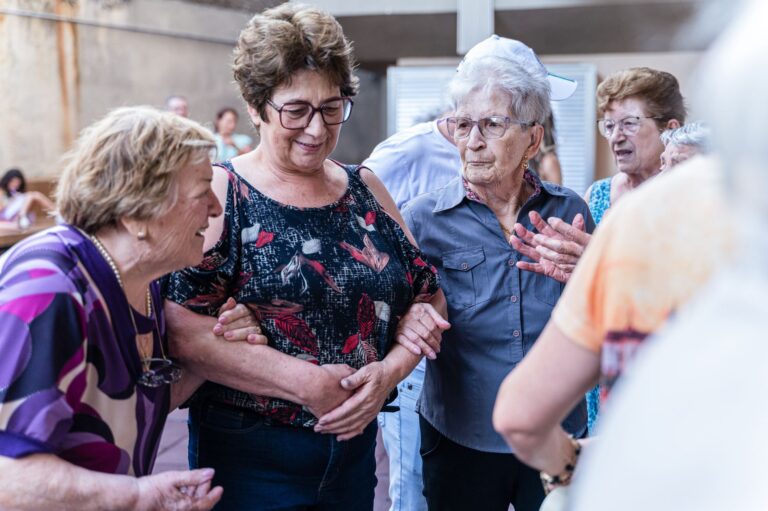
A group box does not need to contain anyone's personal possessions. Staff can choose a shared theme—such as work, holidays, household life, or hobbies—and provide varied prompts that participants can explore together. One Danish nursing-home intervention used groups of two to eight residents with similar backgrounds or interests.
One or two nurses led sessions using objects, photographs, books, music, and sensory materials. Public-service practice also supports this approach: Denbighshire County Council's library service offers themed boxes intended to awaken the senses, prompt conversation, and rekindle memories. Group facilitation should leave room for different levels of participation. One resident may tell a story, another may respond to music, and someone else may prefer to hold an object and listen.
Choosing the format by purpose
Choose one-on-one work when personal history, private attention, or a practical memory aid is the priority. It may also suit someone who engages more comfortably without an audience.
Choose a group box when the main goal is shared conversation and social participation. A broad theme can help residents find common ground without asking them to disclose personal details. A combined approach may fit some settings:.
- Begin privately with familiar personal items.
- Notice which subjects the person appears comfortable discussing.
- Invite them to a related group session if they want to participate.
- Keep personal possessions separate from shared materials unless the owner agrees to their use.
Benefits, limits, and emotional safety
Research does not show that memory boxes alone reliably improve dementia outcomes. The closest evidence concerns reminiscence therapy, a broader approach that uses tangible prompts to discuss past events. A 2018 review included 22 studies with 1,972 participants; 16 studies involving 1,749 participants contributed to its meta-analysis. It found different signals by format: individual reminiscence was associated with better cognition and mood, while group reminiscence was linked to better communication. However, the effects were small and inconsistent, and varied methods made comparisons difficult, according to the review indexed by PubMed.
Treat the box as a flexible activity, not a test or promised therapy. Objects may bring up grief, trauma, conflict, or other painful memories, so caregivers should watch the person's response. If distress appears, allow the person to express it and ask whether they want to continue. Change the subject, remove the item, or stop when needed. Use open questions and never quiz the person about names, dates, or whether they "remember correctly.".