Yes. Memory boxes can support comfort and connection in moderate or advanced dementia, even when conversation becomes difficult.
A memory box is a collection of familiar photos, keepsakes, music, or scents used for shared engagement. The aim is not to test memory or improve cognition. The Alzheimer's Association recommends familiar photos and music because they may remain comforting in later dementia.
Medical information disclaimer: This article is for general educational purposes only and does not provide medical advice, diagnosis, or treatment. Always consult a physician or other qualified health professional about symptoms, medications, tests, or treatment decisions.
Table of Contents
- What does it mean for a memory box to work?
- How should the box change as dementia advances?
- What does the evidence show?
- What should go in the box?
- When should you change or stop the activity?
What does it mean for a memory box to work?
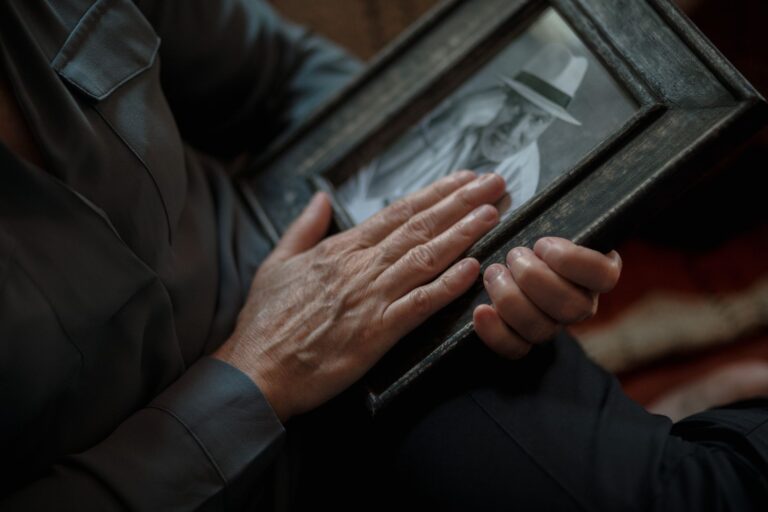
A memory box works when it creates a calm or meaningful moment. Success might mean listening to a favorite song together, holding a familiar object, or quietly looking at a photograph. The person does not need to identify an item, explain its history, or sustain a conversation.
Avoid questions such as "Who is this?" if they could feel like a test. Instead, offer information: "This is your sister, Ana," or "You always enjoyed this song." Some items may invite speech; others may provide sensory comfort without words. Either response can make the box useful.
How should the box change as dementia advances?
For moderate dementia, photos, keepsakes, and music may support conversation or shared attention. Add short notes identifying people and their relationship to the person. The Alzheimer's Society recommends these notes as helpful reference information for carers. In advanced dementia, simplify the experience and emphasize the senses.
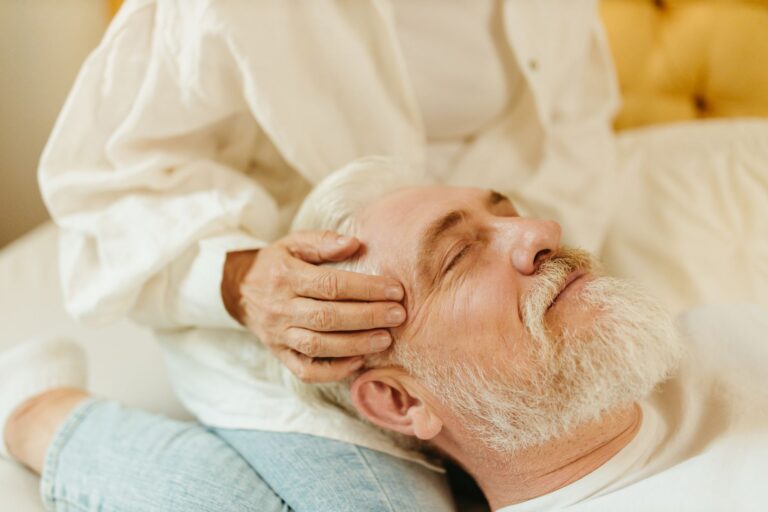
Offer one item at a time, play familiar music, read a meaningful passage, or introduce a familiar scent. Favorite food and gentle touch can serve similar purposes outside the box. Follow the person's immediate response instead of expecting the same reaction each time. A quiet moment with one familiar photograph may be more suitable than exploring the entire collection.
What does the evidence show?
Memory boxes are not a proven treatment for advanced dementia. The closest evidence comes from reminiscence therapy, a broader activity involving memories and familiar material. A 2018 Cochrane review of 22 trials involving 1,972 participants found no important overall immediate improvement in quality of life. It found only a very small, clinically uncertain short-term cognitive benefit.
Most participants had mild or moderate dementia, although care-home programs showed a slight quality-of-life benefit. NICE recommends group reminiscence therapy for mild-to-moderate dementia, not specifically for severe dementia. That does not show that a personal box is useless in advanced disease. It means families should view it as individualized comfort and engagement, not cognitive therapy.
What should go in the box?
Choose a small number of items connected to the person's life and preferences. Suitable options include: Start simply. Present one item without demanding an answer, then allow time for the person to look, listen, touch, or disengage.
- Copies of family, workplace, holiday, or pet photographs
- Brief labels naming people and relationships
- Familiar, safe keepsakes
- A way to play favorite music
- A meaningful poem, prayer, or short reading
When should you change or stop the activity?
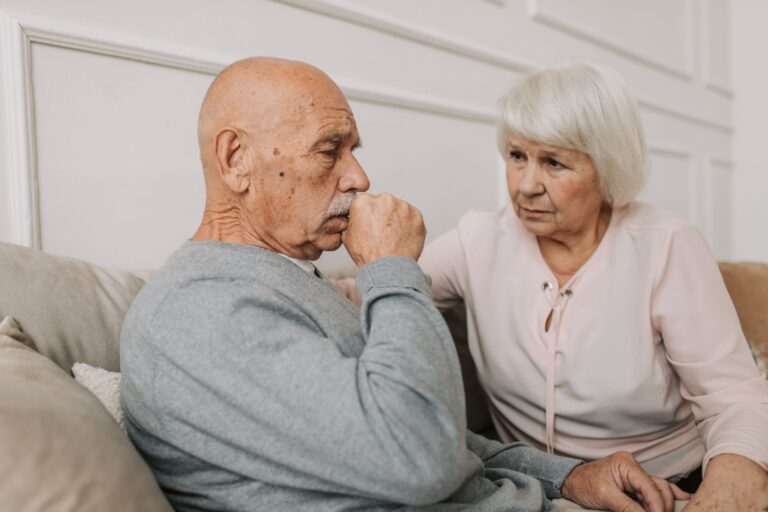
Watch for frustration or distress. If an item appears upsetting, remove it, shift to something simpler, or stop the activity. The Alzheimer's Society advises using memory boxes for engagement only when they do not trigger distressing memories.
Consider safety before leaving a box within reach. The National Institute on Aging warns that people with Alzheimer's may hide, lose, or discard objects while rummaging. Exclude dangerous objects, valuables, and irreplaceable originals from any box intended for unsupervised handling.