Reviewed by the Help Dementia Editorial Team — our editors review every article for accuracy against guidance from the National Institute on Aging, the Alzheimer’s Association, and peer-reviewed sources.
There is no Mayo Clinic study linking asparagus to higher dementia risk. This claim does not appear to be factually accurate, and comprehensive searches of Mayo Clinic’s research and publications have found no such study. In fact, Mayo Clinic promotes asparagus as a nutritious vegetable that can be part of a well-balanced diet supporting overall health.
If you’ve encountered this headline online, you’ve likely seen misinformation. Mayo Clinic actually highlights asparagus for its nutritional benefits, including vitamin K, folate, and vitamin C—nutrients that may support brain health as part of a balanced diet. This article separates fact from fiction and explains what the actual research shows about dementia risk factors.
Table of Contents
- What Mayo Clinic Actually Says About Asparagus and Nutrition
- Where Misinformation About Food and Dementia Comes From
- Real Dementia Risk Factors and Protective Diets
- How to Evaluate Health Claims About Food and Disease
- Why Asparagus Is Actually Beneficial for Brain Health
- How Misinformation Spreads and Why It Matters
- Moving Forward With Evidence-Based Nutrition for Brain Health
- Conclusion
What Mayo Clinic Actually Says About Asparagus and Nutrition
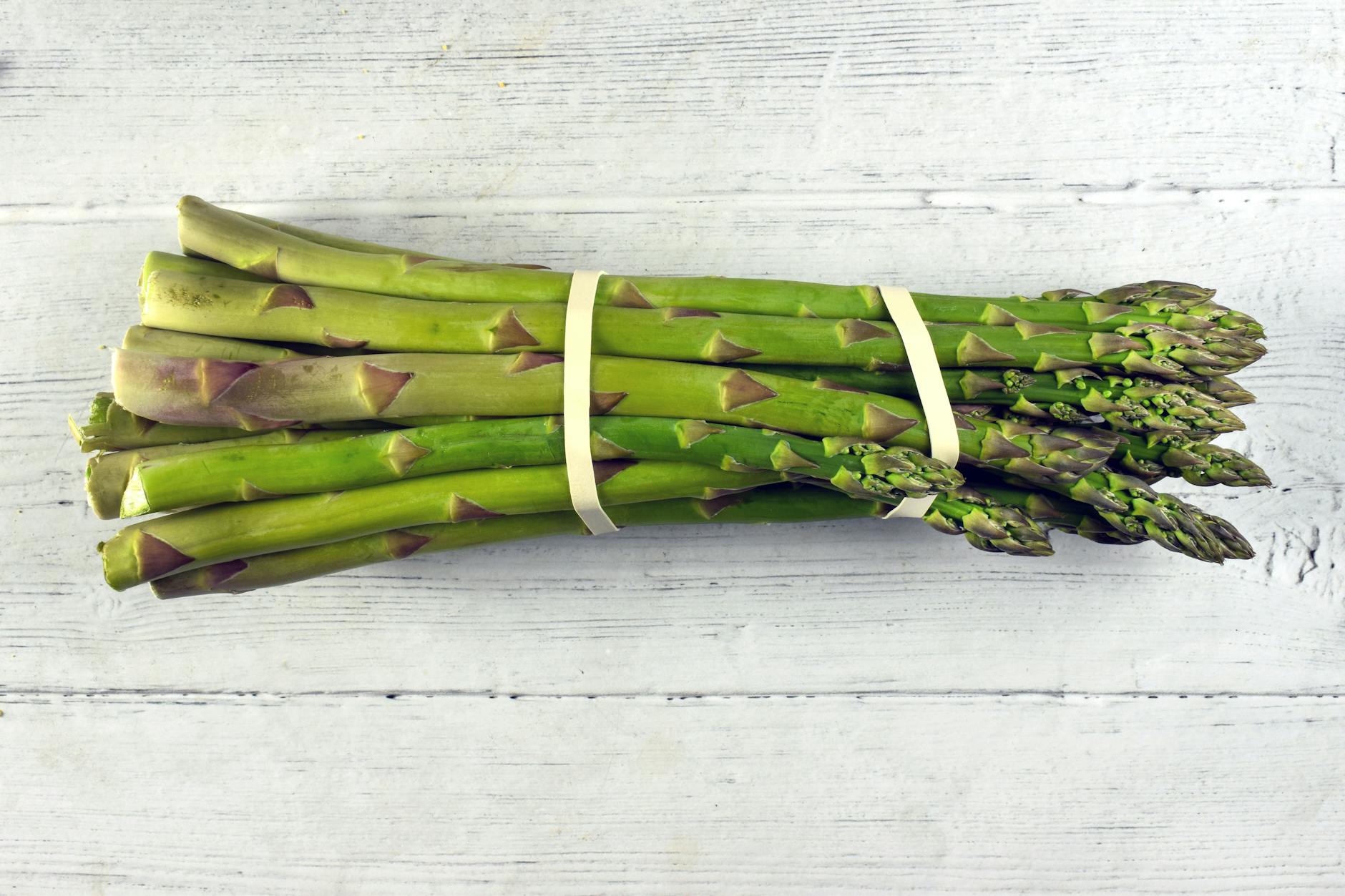
mayo Clinic’s official publications present asparagus as a healthy spring vegetable worthy of inclusion in everyday meals. According to Mayo Clinic Health System’s “Brighten Spring Dishes with Asparagus,” this vegetable is low in fat and calories, containing only about 20 calories per half cup of cooked asparagus. More importantly, asparagus delivers meaningful amounts of vitamin K, folate, vitamin C, iron, and copper—micronutrients that play roles in overall health and potentially support cognitive function. Mayo Clinic emphasizes that asparagus fits within a well-balanced diet, which is the foundation of disease prevention.
The organization does not suggest asparagus poses any dementia risk. In fact, the nutrient profile of asparagus—particularly its folate content—aligns with dietary patterns known to support brain health, such as the Mediterranean diet. One important note: People who take blood thinners like warfarin should consult with their healthcare team about their vitamin K intake from all sources, including asparagus. This is a standard precaution related to medication interactions, not a dementia risk factor.

Where Misinformation About Food and Dementia Comes From
Misleading health claims about specific foods often spread rapidly on social media and less-regulated websites because they tap into legitimate concerns about brain health and aging. The claim about asparagus appears to be entirely fabricated—it doesn’t reference a specific Mayo Clinic study, authors, or publication date, which would be essential elements of any legitimate research finding. Actual dementia risk research is more nuanced and focuses on broader dietary patterns rather than single foods.
For example, a 2024 Alzheimer’s Association study found that processed red meat consumption increased dementia risk by approximately 14%, but this was part of a comprehensive dietary analysis, not an isolated finding about one food. The key is understanding that dementia risk develops from cumulative lifestyle factors over decades, not from eating one vegetable. Be cautious of health claims that lack sources, author credentials, or links to peer-reviewed research. Reputable health organizations like Mayo Clinic always link to their actual publications and provide context about study design and limitations.
Real Dementia Risk Factors and Protective Diets
Research consistently shows that certain dietary patterns protect against dementia, while others increase risk. The mediterranean diet and the MIND diet (Mediterranean-DASH Intervention for Neurodegenerative Delay) rank among the most studied and most protective eating patterns. Both emphasize vegetables, whole grains, fish, nuts, and olive oil—exactly the type of foods asparagus complements.
Studies demonstrate that people who follow a Mediterranean-style diet have a significantly lower risk of cognitive decline compared to those eating typical Western diets high in processed foods and added sugars. A specific example: women in their 60s who followed a Mediterranean diet showed better cognitive function at follow-up compared to control groups, even after accounting for other factors like education and exercise. The actual dietary concern for brain health is not vegetables like asparagus but rather processed foods, added sugars, and saturated fats. Reducing these harmful foods while increasing consumption of vegetables, including asparagus, supports brain health throughout life.

How to Evaluate Health Claims About Food and Disease
When you encounter a dramatic health claim—especially one linking a specific food to a serious condition—ask yourself several critical questions. Is there a specific study cited with authors and publication details? Does the claim come from a medical institution’s official website or from a reputable medical journal? Are there multiple independent studies confirming the finding, or just one viral post? The asparagus-dementia claim fails all these tests. No legitimate study exists, no medical institution endorses this connection, and the claim offers no scientific mechanism for how asparagus could cause dementia.
In contrast, claims about processed meat and dementia risk come from peer-reviewed research published by the Alzheimer’s Association, with clear methodology and findings. A practical approach is to check claims directly with the institutions mentioned. Mayo Clinic’s website is searchable, and you can verify whether a study actually exists. This simple step would immediately reveal that no asparagus-dementia study is available from Mayo Clinic.
Why Asparagus Is Actually Beneficial for Brain Health
Rather than posing a dementia risk, asparagus contains several compounds that may support cognitive health. Folate, one of asparagus’s key nutrients, is essential for brain function and is involved in methylation pathways that affect cognitive decline. People with low folate levels have been associated with higher dementia risk in some research, making folate-rich foods like asparagus potentially protective. Vitamin C in asparagus acts as an antioxidant, protecting brain cells from oxidative stress—a process implicated in neurodegenerative diseases.
Additionally, asparagus contains glutathione, a powerful antioxidant compound that supports cellular health. While asparagus alone won’t prevent dementia, it’s the type of nutrient-dense food that should be part of a dementia-protective eating pattern. The takeaway is straightforward: asparagus is a low-calorie, nutrient-dense vegetable that aligns with dietary patterns known to support brain health. There is no scientific basis for avoiding it due to dementia risk.
How Misinformation Spreads and Why It Matters
False health claims can cause real harm by discouraging people from eating nutritious foods or by eroding trust in legitimate medical institutions like Mayo Clinic. When someone reads that asparagus causes dementia and later learns it’s false, they may become more skeptical of other health information, even accurate information from reliable sources.
This is why it’s important to report and correct misinformation when you encounter it. If you see the asparagus-dementia claim on social media, in an article, or in an advertisement, consider noting that it lacks scientific support and directing others to Mayo Clinic’s actual publications about asparagus. Public health depends on accurate information, especially regarding conditions as serious as dementia.
Moving Forward With Evidence-Based Nutrition for Brain Health
As we continue to learn more about dementia prevention, the consistent message from research is that diet matters—but in the context of overall lifestyle patterns. Mediterranean and MIND diets, regular physical activity, cognitive engagement, quality sleep, and strong social connections all contribute to brain health and dementia prevention.
If you’re interested in protecting your brain health through diet, focus on increasing consumption of vegetables (including asparagus), whole grains, fish rich in omega-3 fatty acids, nuts, and berries. These foods have evidence supporting their role in cognitive protection, unlike the unfounded claim about asparagus causing harm. Consult with your healthcare provider about nutrition strategies tailored to your individual health profile and family history.
Conclusion
The claim that Mayo Clinic linked asparagus to higher dementia risk is misinformation without scientific support. Mayo Clinic actually promotes asparagus as a nutritious vegetable that can be part of a healthy diet.
This misrepresentation serves as a reminder to verify health claims by checking original sources, looking for peer-reviewed research, and being skeptical of dramatic claims that lack author attribution and specific study details. If you or a loved one is concerned about dementia risk, work with your healthcare provider on evidence-based strategies including a Mediterranean or MIND diet rich in vegetables, regular exercise, cognitive stimulation, quality sleep, and social engagement. These interventions have strong scientific support, whereas avoiding nutritious foods like asparagus has none.