Maintaining intimacy in a marriage after a dementia diagnosis requires acknowledging a difficult reality: the disease fundamentally changes how both partners experience physical and emotional closeness. The person with dementia may lose the ability to initiate affection, recognize familiar touch, or communicate desire in ways their spouse has known for decades. Memory loss, personality shifts, and changes in the brain’s regulation of sexuality can transform the landscape of physical and emotional connection, sometimes suddenly and sometimes gradually over years. A spouse may find themselves becoming a caregiver while still wanting to be a partner, facing a conflict that few relationships prepare for.
The answer is not simple, and it differs for every couple. Some marriages deepen through adapted forms of intimacy—hand-holding, presence, and non-sexual touch. Others become more practical and less physically intimate, which is also a valid path. Some couples find that the disease actually relieves pressure around performance or expectation. What matters is understanding what changes, why it happens, and what choices remain available when the disease makes certain kinds of connection impossible.
Table of Contents
- How Does Dementia Affect Sexual Function and Physical Desire?
- Emotional Intimacy and the Erosion of Shared Memory
- Communication, Touch, and Non-Verbal Connection
- Adapting Physical Intimacy as Dementia Progresses
- Increased Sexual Behavior and Boundary Challenges
- Sexuality, Caregiving, and Role Confusion
- Medical Management, Medication Effects, and Seeking Professional Support
- Frequently Asked Questions
How Does Dementia Affect Sexual Function and Physical Desire?
dementia directly impacts the brain regions that regulate sexual desire, arousal, and response. The hippocampus and amygdala, which process emotion and memory, deteriorate in Alzheimer’s disease. The prefrontal cortex, which governs impulse control and social judgment, also degrades. The result is that sexual desire may vanish entirely, or it may appear unexpectedly and feel out of character. Some people with early-stage dementia experience increased sexual appetite; others lose all interest by mid-stage disease. Neither pattern is universal, and neither indicates anything about the person’s love for their spouse. Medications also play a significant role.
Antidepressants, blood pressure drugs, and antipsychotics commonly prescribed to dementia patients often reduce sexual function or desire as a side effect. A person might stop initiating sex not because of dementia alone, but because medication has suppressed that drive. A spouse who understands this difference may feel less personally rejected and more able to grieve the change without blame. Physical changes in the body also occur. Men may experience erectile dysfunction; women may have reduced lubrication or difficulty with arousal. These are neurological and physiological changes, not signs of waning love. Some couples report that removing the expectation of intercourse actually creates space for other forms of touch and presence that feel less pressured and more sustainable across years of caregiving.
Emotional Intimacy and the Erosion of Shared Memory
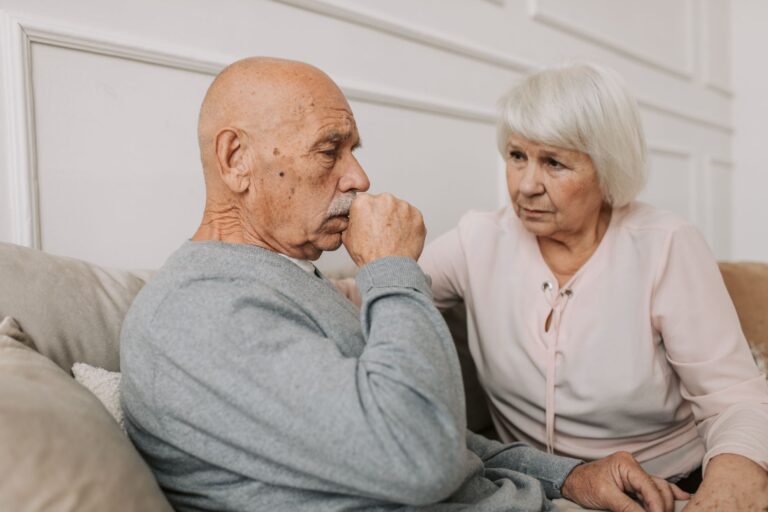
Emotional intimacy typically rests on shared history, inside jokes, and the comfort of being truly known by another person. Dementia erases or distorts that history. The person with dementia may forget their wedding, the names of their children, or entire decades of the relationship. Their spouse becomes, in effect, the keeper of the marriage’s narrative. This creates an asymmetry that can feel profoundly isolating. One partner remembers the courtship, the early years, the inside jokes.
The other partner is meeting their spouse anew each day or each hour. Some spouses describe feeling as though they are mourning their partner while that partner is still alive—a phenomenon sometimes called ambiguous loss. The relationship that provided mutual recognition and validation now flows primarily in one direction. Yet some couples report finding new forms of emotional intimacy in this changed landscape. The present moment becomes more vivid because the future is uncertain and the past is fading. A spouse may find that small gestures—a smile, a hand held without words, being present during distress—create connection in ways that used to be overshadowed by busier concerns. This is not a silver lining to be overstated; it is simply a different form of intimacy that some people are able to access while grieving what is lost.
Communication, Touch, and Non-Verbal Connection
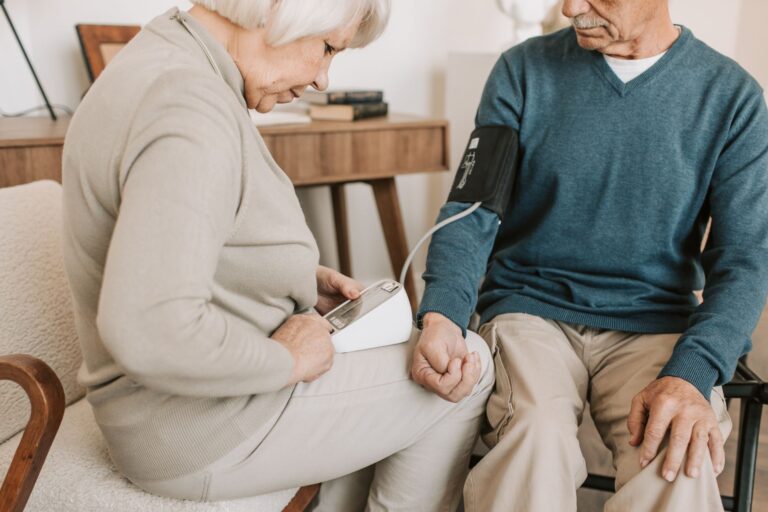
When language becomes unreliable or disappears, touch becomes the primary language. A person with advanced dementia may not understand words, but they can feel the difference between rough handling and gentle hands. They can recognize a familiar embrace, even if they cannot name the person providing it. Non-verbal communication—facial expression, tone of voice, physical proximity—becomes more important than it has been since early childhood. Some spouses report that this shift allows them to be more present and less focused on having the “right” conversation.
Rather than trying to explain something the person cannot retain, a spouse can simply sit quietly, hold hands, or help with a physical task in a way that feels connected and unhurried. Hair washing, hand massage, or a warm shower together can become acts of intimacy that do not depend on memory or verbal reciprocity. A limitation: this works best when both people are physically present and the caregiving spouse is not depleted. A spouse who is exhausted, resentful, or burned out cannot sustain the presence that makes non-verbal intimacy meaningful. Touch under stress—rapid, impatient, or rough—is felt differently than touch offered with calm attention. The caregiving spouse’s emotional state directly affects whether touch feels like love or like another task on a long list.
Adapting Physical Intimacy as Dementia Progresses
Couples who choose to maintain sexual intimacy often need to adapt significantly. Early-stage dementia may require different kinds of communication about consent and timing. A person whose memory is declining may not remember previous agreements about intimacy or may say no even when they previously said yes. This creates a practical and ethical question: Is consent meaningful if the person cannot remember having given it? Some couples work with therapists or physicians to establish clear patterns and communication strategies. Others move away from intercourse toward mutual touch, masturbation in each other’s presence, or sexual activity that does not require sustained attention or memory. The goal is finding what feels authentic and sustainable for the caregiving spouse while respecting the person with dementia’s current capacity for agreement.
A comparison: This adaptation is somewhat like how couples adjust intimacy at other life transitions—after childbirth, with aging, or with chronic illness. The difference is that dementia erodes capacity in ways that are progressive and irreversible, with no expectation of return. Some relationships end sexually when intercourse becomes impossible or when the caregiving spouse cannot separate the role of nurse from the role of partner. This is a legitimate outcome. Others find sexual activity that feels good to both people, adapted to new limitations. There is no single right answer.
Increased Sexual Behavior and Boundary Challenges
In some cases, dementia causes increased sexual behavior or inappropriate sexual advances. This can occur when inhibition is lost or when the person with dementia cannot understand social boundaries. An example: a person who has always been reserved may begin masturbating in public or approaching family members with unwanted sexual touch. This behavior is distressing to both the person with dementia (who may become aggressive or defensive if redirected) and to family members. These behaviors are neurological in origin, not character flaws or evidence of infidelity or hidden desires. However, they require clear boundaries and sometimes medication adjustment or behavioral strategies.
A spouse is not obligated to tolerate unwanted sexual touch, and setting limits does not mean abandoning the person. In fact, consistent boundaries often reduce confusion and distress. A warning: Some caregivers interpret increased sexual behavior as permission to engage in sexual activity with someone who is no longer reliably able to consent. Consent requires the capacity to understand a situation, remember decisions, and communicate agreement. Dementia progressively eliminates these capacities. A person with moderate to advanced dementia cannot legally or ethically consent to sexual activity, even if they say yes in a given moment, because they lack the underlying cognitive ability. Caregivers who struggle with this distinction should seek guidance from an ethics committee, physician, or family therapist.
Sexuality, Caregiving, and Role Confusion
Over time, many caregiving spouses struggle with the blurring of roles. In the morning, a spouse might bathe and toilet the person with dementia. In the evening, that same person might want to be sexual partners.
The shift from hands-on caregiver to intimate partner within hours can feel impossible or alienating, even if both people want it to happen. Some spouses find that maintaining separate times or contexts helps—a date outside the home, or a deliberate transition that signals a shift from caregiving mode to partner mode. Others find that this role confusion makes sexual intimacy feel deeply inauthentic and choose to redirect energy toward other forms of connection. A spouse might say, “I love him, but I am his caregiver now, and the two things have become incompatible.” This is an honest assessment, not a failure.
Medical Management, Medication Effects, and Seeking Professional Support
The medications commonly prescribed for dementia—cholinesterase inhibitors like donepezil, or antipsychotics for behavioral symptoms—do not directly cause sexual dysfunction, but depression medications, blood pressure drugs, and sedatives often do. A person taking sertraline for depression may experience erectile dysfunction or loss of libido as a known side effect. A spouse should never adjust or stop medications without medical guidance, but a frank conversation with the prescribing physician about sexual side effects may lead to dose adjustment, medication change, or addition of a medication to counteract the sexual side effect.
Couples who want to maintain sexual intimacy benefit from clear communication with their physician about this goal. A doctor can assess whether current medications are contributing to lost desire, whether the dementia itself is the primary cause, or whether something else (like thyroid disease or depression) is playing a role. A sex therapist or counselor experienced with dementia can help couples navigate consent, communication, and emotional connection when memory is failing. Some people find that permission from a professional—reassurance that adapting, pausing, or redefining intimacy is normal—reduces the shame and isolation that often accompanies these changes.
Frequently Asked Questions
Is it safe to have sexual activity with someone who has dementia and may not remember consenting?
Consent requires the capacity to understand a situation, remember decisions, and communicate agreement. As dementia progresses, these capacities decline. Medical and ethical guidance indicates that reliable informed consent becomes impossible in moderate to advanced dementia. Spouses are encouraged to consult with physicians, therapists, or ethics committees about what is appropriate given the person’s current cognitive level.
Can medications cause the loss of sexual desire in dementia, or is it always the disease?
Both. Dementia itself affects brain regions that regulate desire. Medications for depression, blood pressure, and behavioral symptoms frequently reduce sexual function as a side effect. A conversation with the prescribing physician can clarify which factors are at play and whether medication adjustment might help.
What should a spouse do if they no longer want to be sexually intimate with their partner?
This is a common and understandable shift. A spouse can grieve the loss of that aspect of the relationship while still being a caring, devoted partner. Non-sexual forms of intimacy—touch, presence, quality time—remain available. Speaking with a counselor or therapist can help a spouse process this change without guilt.
Does dementia ever increase sexual desire or behavior?
Yes, sometimes. Loss of inhibition or changes in the brain can lead to increased sexual behavior or inappropriate advances. This is a neurological symptom, not a reflection of the person’s character or true feelings. It requires clear boundaries, sometimes medication adjustment, and professional guidance to manage safely.
How can a spouse balance caregiving and intimate partnership?
Many find that creating deliberate separation between caregiving and intimate time helps—different contexts, moments of transition, or clear signals that shift the dynamic. Others find the two roles incompatible and choose to prioritize caregiving while redefining intimacy in other ways. Both approaches are valid.
Should couples seek professional help with intimacy after a dementia diagnosis?
Yes, if both people want to maintain sexual or intimate connection. A physician can address medication side effects. A sex therapist experienced with dementia can help couples navigate consent, communication, and emotional connection. A counselor or support group can help spouses process grief and isolation.